When you’re trying to eat healthy, it’s easy to focus on the recipes, but what about the ingredients you’re buying? Even the healthiest-sounding dish can quickly lose its benefits if you’re using the wrong ingredients. Unfortunately, many store-bought products are loaded with additives, preservatives, and other harmful substances that can sabotage your efforts. If you’re aiming to stay healthy and lose weight, it’s time to look closely at what you’re putting in your cart.
1. Vegan Products: Read the Labels Carefully
Just because something is labeled “vegan” doesn’t mean it’s automatically healthy. Many vegan products are packed with soy—a controversial ingredient that can cause inflammation for some people. Be especially wary of any unwanted additives, preservatives, and modified ingredients like sugars, artificial flavorings, and dyes. These hidden ingredients can hinder your weight loss efforts and harm your health. Always check the labels, and choose minimally processed options when you can.
2. Fish: Wild-Caught vs. Farm-Raised
If you’re including fish in your diet, always choose wild-caught over farm-raised. Wild-caught fish is leaner and has a healthier balance of omega-3 to omega-6 fatty acids. On the other hand, farm-raised fish typically have a higher content of omega-6 fatty acids, which can contribute to belly fat and inflammation. Remember, not all fish are equal, and opting for wild-caught can make a big difference in your health.
3. Organic Produce: Worth the Investment
Whenever possible, choose organic produce. Organic fruits and vegetables generally have higher fiber content and more nutritional value. If you’re concerned about cost, focus on buying organic for items on the Dirty Dozen list (those with the highest pesticide residues), while opting for non-organic for items on the Clean 15 list, which tend to have lower pesticide levels. Educating yourself on these lists can help you make better, more cost-effective choices.
4. Watch for Hidden Sodium
One of the sneakiest ingredients in packaged foods is sodium. Many healthier-seeming substitutions (like low-fat sauces or pre-made meals) are loaded with sodium, which can cause bloating and weight gain. To avoid this, always read the label and don’t buy anything with more than 230 milligrams of sodium per serving. A low-sodium diet can make a noticeable difference in your overall health and how you feel.
5. Sugar: Don’t Let It Sneak In
Sugar is one of the biggest culprits that can derail a healthy eating plan. The key is to look at the ingredient list—never buy anything that has sugar listed in the first three ingredients. Ingredients are listed by quantity, so if sugar is one of the top ingredients, that product is likely full of it. This is especially important for things like yogurts and milks, which often contain unexpected sugar additives. Be mindful of the sugar content in these “healthy” items.
6. Chocolate: Stick to the Good Stuff
If you’re a chocolate lover, don’t worry—you don’t have to give it up! But you do need to choose wisely. Always opt for chocolate that is at least 70% cacao and all-natural, with no added sugars. Chocolate with a high cacao content can actually support weight loss and provide other health benefits, but only when it’s free of artificial ingredients.
Educating Yourself Is Key
The grocery store can be a minefield of unhealthy options disguised as “healthy” choices. It’s crucial to educate yourself on how to read labels, understand ingredient lists, and know which products are truly beneficial for your health. By making smarter choices at the store, you’ll be able to stick to your healthy recipes while avoiding ingredients that sabotage your goals.
Get Your Gift
Fill out this form to receive your gift:
– a current list of Dirty Dozen and Clean Fifteen –
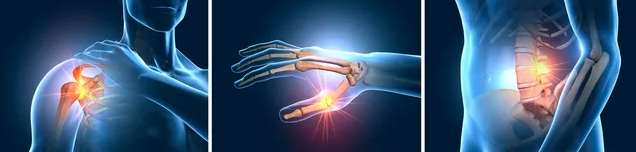
Most people don’t realize that the human body is made up of 360 joints—all working together to allow movement, flexibility, and support. Whether it’s bending down to tie your shoes or lifting your arms overhead, your joints are constantly working to keep you mobile. But with time, improper care, and certain lifestyle factors, these joints can start to wear down, leading to pain and discomfort.
In today’s world, joint health has become a major concern, especially with the rise of arthritis, a condition that affects millions globally. According to recent estimates, about 25% of adults in the U.S. have some form of arthritis, with numbers climbing as the population ages. The most common form, osteoarthritis, is often associated with wear and tear on the joints, but it isn’t just limited to older adults. With sedentary lifestyles, excess weight, and lack of proper nutrition, people are experiencing joint pain earlier in life than ever before.
Why Are Our Joints Breaking Down?
Joints are intricate structures composed of bones, cartilage, synovial fluid, and ligaments that allow us to move smoothly. However, several factors can lead to joint degradation, including:
Age: As we age, the cartilage that cushions our joints wears away, and the body’s natural production of joint-supporting compounds like glucosamine slows down.
Inflammation: Chronic inflammation, whether due to autoimmune disorders or lifestyle factors, can erode joint tissue, leading to conditions like rheumatoid arthritis.
Obesity: Carrying excess weight puts extra pressure on joints, particularly those in the knees, hips, and spine. Over time, this accelerates wear and tear.
Sedentary Lifestyles: Lack of movement weakens the muscles around joints, increasing the risk of injury and reducing flexibility.
Nourishing Your Joints: What You Need
If you want to keep all 360 of your joints healthy and moving, nutrition is key. Certain foods and supplements can help reduce inflammation, promote cartilage repair, and improve joint lubrication.
1. Omega-3 Fatty Acids
Found in fish like salmon, walnuts, and flaxseeds, omega-3 fatty acids are essential for reducing joint inflammation. Studies have shown that regular intake of omega-3s can decrease morning stiffness and joint pain, making them crucial for arthritis prevention and management.
2. Collagen
Collagen, particularly Type II collagen, is essential for maintaining healthy cartilage. As the main structural protein in your body, collagen helps to keep joints resilient. Supplementing with collagen can help promote cartilage regeneration and relieve joint discomfort.
3. Vitamin D
Many people are deficient in Vitamin D, a nutrient that plays a crucial role in bone and joint health. Adequate vitamin D levels help the body absorb calcium, which is necessary for maintaining strong bones and joints. Ensuring you get enough through sun exposure, diet, or supplements can support joint health.
4. Glucosamine & Chondroitin
These two compounds are naturally found in cartilage and are often used in combination to support joint health. Glucosamine helps repair cartilage, while chondroitin helps retain water in the cartilage, keeping it elastic and well-cushioned.
5. Antioxidants
Antioxidants like vitamin C and vitamin E help neutralize free radicals that cause inflammation and cartilage damage. Foods rich in these vitamins—such as berries, oranges, spinach, and nuts—can be protective against joint deterioration.
6. Hyaluronic Acid
Hyaluronic acid is naturally found in the body and plays a crucial role in joint lubrication. As we age, hyaluronic acid levels drop, leading to stiffer joints. Supplementing with hyaluronic acid can help replenish this crucial substance and improve joint flexibility.
7. Turmeric (Curcumin)
Curcumin, the active ingredient in turmeric, is a potent anti-inflammatory that has been shown to reduce joint pain and swelling. Adding turmeric to your diet or taking it as a supplement can provide natural relief from arthritis symptoms.
Lifestyle Tips for Joint Longevity
Nutrition is just one piece of the puzzle when it comes to joint health. Lifestyle choices play a major role in keeping your joints functional and pain-free.
Stay Active: Regular movement keeps your joints lubricated and strengthens the muscles that support them. Low-impact exercises like swimming, cycling, and walking are especially good for joint health.
Stretch Regularly: Flexibility exercises like yoga or simple stretching routines can help improve joint mobility and reduce stiffness.
Maintain a Healthy Weight: Every extra pound puts stress on your joints, particularly the knees, hips, and lower back. By maintaining a healthy weight, you reduce the strain on your joints and decrease your risk of developing arthritis.
Hydrate: Joints rely on adequate hydration to function properly. Drinking enough water ensures that the synovial fluid in your joints remains thick and lubricating.
The Importance of Early Intervention
When it comes to joint health, prevention is far better than cure. If you’re experiencing joint discomfort—even minor—it’s important to act early. Incorporating joint-supporting foods, supplements, and lifestyle habits into your daily routine can help delay or even prevent the onset of arthritis and other joint-related conditions.
Our bodies are designed to move, and every joint plays a part in making that possible. Whether you’re a weekend warrior, an office worker, or just looking to stay active as you age, giving your joints the care they deserve will pay off in the long run.
Conclusion
With 360 joints to care for, maintaining joint health should be a priority for everyone. Through the right combination of nutrients, supplements, and lifestyle changes, you can protect your joints from wear and tear and enjoy years of pain-free movement. Start today by nourishing your joints, staying active, and incorporating simple, joint-friendly habits into your life.
Our bodies are incredibly powerful, self-regulating systems that constantly work to maintain balance and optimal health. One of the most critical processes for staying healthy is the body’s ability to eliminate toxins and waste. While our modern lifestyles often expose us to more toxins than ever before—through processed foods, pollutants, and everyday chemicals—our bodies have built-in elimination channels designed to manage and filter these substances.
By understanding and supporting these major channels of elimination, we can enhance our body’s natural detoxification process and improve our overall well-being. In this article, we’ll explore six essential detox pathways and why a regular, natural detox routine is crucial for keeping them functioning at their best.
1. Skin: The Body’s Largest Detox Organ
Our skin is not only the largest organ in the body but also one of the most vital when it comes to eliminating toxins. Sweating helps the skin release heavy metals, excess salts, and metabolic waste. However, modern living—such as exposure to synthetic skincare products, pollution, and even tight clothing—can clog pores and hinder this detox process. To support your skin’s role in detoxification, it’s essential to stay hydrated, use clean, non-toxic skincare products, and consider practices like dry brushing or using saunas to promote sweating. These methods can help open up the pores and encourage the release of toxins, leaving your skin clearer and healthier.
2. Respiratory System: Clearing the Air
Your lungs are responsible for one of the most critical forms of elimination: breathing out carbon dioxide. However, they also help eliminate other gaseous toxins we might inhale from pollution, cigarette smoke, and household chemicals. To keep your respiratory system functioning optimally, you can practice deep breathing exercises, get regular cardiovascular exercise, and spend time in clean, fresh air environments. Opening windows in your home and using air purifiers can also reduce indoor air toxins.
3. Lymphatic System: The Waste Transport Highway
Often overlooked, the lymphatic system is a critical detox pathway. It serves as the body’s waste removal system by transporting toxins from tissues and cells to be expelled. Unlike the circulatory system, which has the heart to pump blood, the lymphatic system relies on movement to function. This means regular exercise, stretching, and even manual lymphatic massage are key to stimulating the flow of lymph. Staying hydrated and incorporating dry brushing into your routine also helps your lymphatic system eliminate toxins more efficiently.
4. Colon: Clearing Waste from the Body
The colon is the body’s main elimination system for solid waste. When digestion is working optimally, the colon regularly clears out toxins and prevents them from being reabsorbed into the bloodstream. However, poor dietary choices, dehydration, and lack of fiber can lead to waste buildup, contributing to bloating, discomfort, and a sluggish system. To support your colon, focus on eating fiber-rich whole foods like fruits, vegetables, and whole grains. Drinking plenty of water and maintaining a healthy gut microbiome with probiotics can also improve digestion and regularity, keeping this vital elimination channel clear.
5. Liver: The Detox Powerhouse
The liver is one of the hardest-working organs when it comes to detoxification. It filters toxins from the blood, neutralizes chemicals, and breaks down harmful substances into forms that can be safely eliminated through the bile or urine. However, the liver can become overburdened by processed foods, alcohol, and environmental toxins. You can support liver function by eating foods rich in antioxidants, such as leafy greens, berries, and cruciferous vegetables (like broccoli and cauliflower). Reducing alcohol intake, avoiding processed foods, and incorporating liver-supportive herbs like milk thistle and turmeric can help this organ perform optimally.
6. Kidneys: Filtering Toxins from the Blood
Your kidneys filter toxins and waste from the blood, regulate fluid balance, and expel these harmful substances through urine. However, they require adequate hydration to function properly. Drinking plenty of water throughout the day is the best way to support your kidneys. Additionally, foods rich in potassium, such as bananas, avocados, and sweet potatoes, help maintain kidney function. Reducing your intake of sodium and avoiding processed foods can also support your kidneys in their critical role.
The Importance of Aloe Vera Gel Between Detoxes
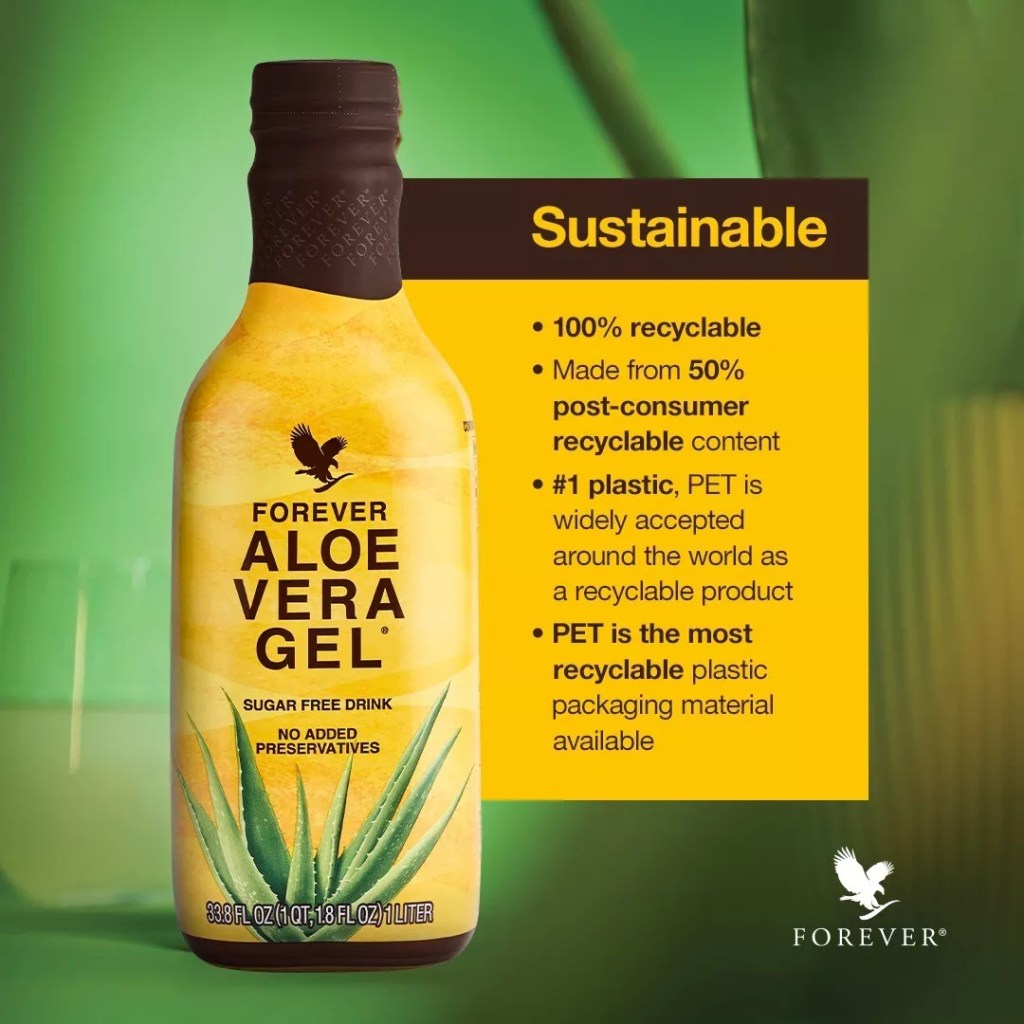
In between structured detox programs, it’s highly recommended to regularly drink aloe vera gel to help support your body’s natural cleansing processes. Aloe vera is well-known for its ability to aid digestion, soothe the gut, and promote regularity. By incorporating aloe vera gel into your daily routine, you can keep your digestive system running smoothly, support your liver and colon, and provide a gentle, ongoing detox for your body. It’s a simple and effective way to maintain the health of your elimination channels while giving your body the extra boost it needs to stay clean and balanced.
Why Regular Detox is Crucial
Your body’s natural elimination channels work tirelessly every day, but modern living often puts an extra burden on them. From environmental pollutants to processed foods and stress, our bodies are exposed to more toxins than ever before. That’s why doing regular detox practices is so important. Natural detox programs help “reset” your body, assisting these filters in cleaning out built-up toxins and waste. Whether it’s a short detox plan focused on eating clean, hydrating, and supporting digestion or a more structured detox program, regular cleansing can significantly improve how you feel. Benefits can include improved digestion, clearer skin, better energy levels, and a stronger immune system.
How to Support Your Body’s Detox Channels
If you want to help your body’s natural detox process, consider incorporating these simple but effective practices into your lifestyle:
Drink plenty of water to keep your kidneys and colon functioning properly.
Eat a diet rich in fiber, antioxidants, and clean protein sources to support your liver and digestive system.
Incorporate movement, whether it’s walking, yoga, or exercise, to stimulate your lymphatic system and encourage detox through sweat.
Use natural, non-toxic skincare products and spend time in the sauna to help your skin detoxify.
By focusing on these daily habits and practicing regular detox routines, you’re giving your body the support it needs to function at its best.
If you’re looking for personalized guidance on starting a natural detox or want to learn more about detox practices that fit your lifestyle, feel free to reach out! I’m here to help you on your journey to better health and well-being.
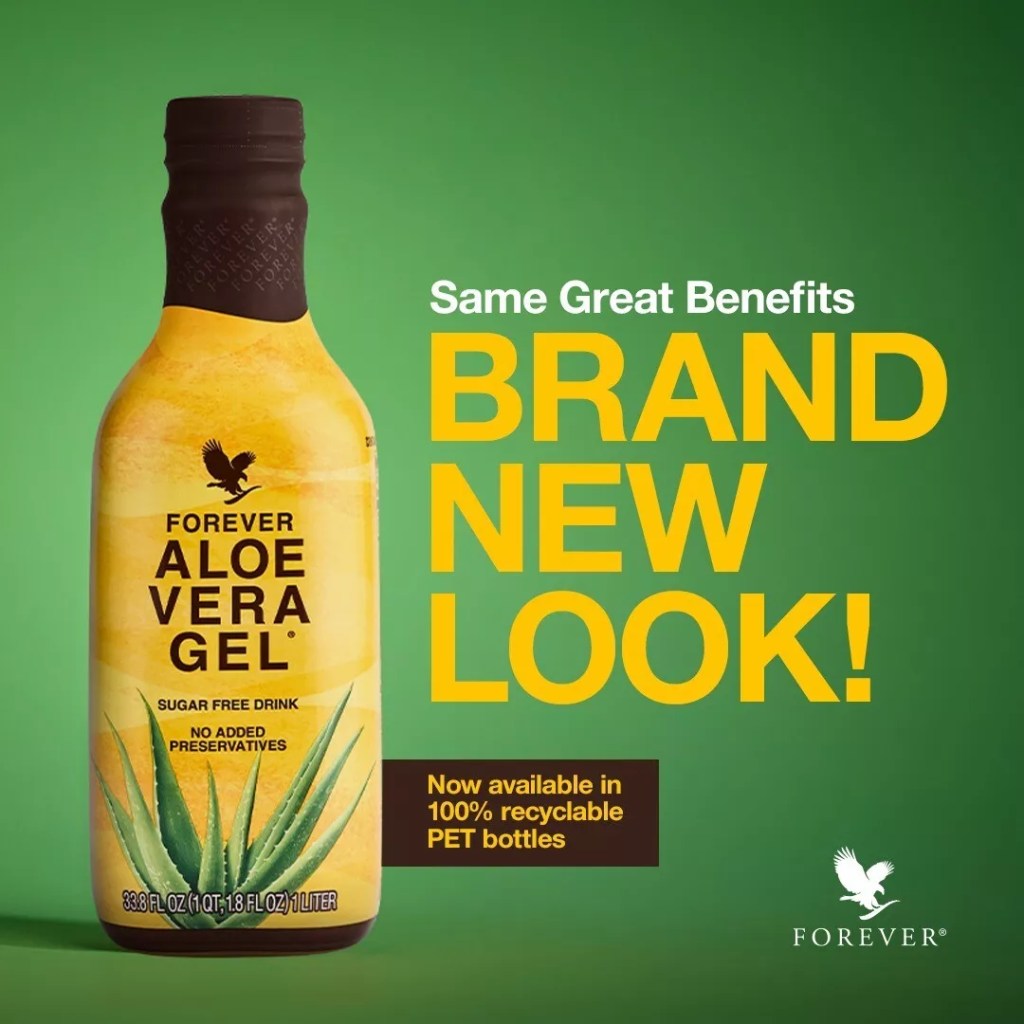
With so many brands marketing aloe vera products, it can be overwhelming to determine which ones offer the true benefits of pure aloe vera gel. The term “aloe vera gel” is often used loosely, but not all products are created equal. This post will guide you through the key factors to consider and how to avoid being misled by tricky labeling and deceptive marketing.
Don’t Be Fooled by “Aloe Vera Juice” vs. “Aloe Vera Gel”
One common tactic some companies use is labeling a product as “aloe vera gel” when it actually contains aloe vera juice. Aloe vera juice is often made by diluting the gel with water, significantly reducing its concentration and effectiveness. For example, a product may claim to contain “99% organic aloe vera juice” but still market it as gel. In reality, thickening agents are often added to mimic the consistency of real aloe vera gel, making the product seem more authentic than it is.
The key takeaway here is to read the ingredient list carefully. Look for aloe vera gel, not juice, as the primary ingredient. A true aloe vera gel should list Aloe Barbadensis Leaf Gel as the main component, with minimal additives typically used for preservation.
Look for Products That Specify “Inner Leaf Aloe Vera Gel”
When choosing the best aloe vera gel, another important distinction is whether the product uses the inner leaf of the plant. The inner leaf contains the purest and most potent form of aloe gel, known for its superior healing and soothing properties.
Some companies go the extra mile by extracting only the inner leaf gel, ensuring a higher-quality product. However, other manufacturers may grind the whole leaf, including the outer part, which contains unwanted compounds like aloin. These impurities are removed later, but the process is less efficient. For the purest and safest form of aloe vera, choose products that specifically use inner leaf aloe gel.
Ingredient Transparency is Key
Be cautious of products with vague or deceptive labeling. It’s not uncommon for companies to boast that their product “contains aloe vera,” without specifying how much of it is genuine aloe gel. If the ingredient list contains a long list of thickening agents, and artificial preservatives, it’s a red flag. These unnecessary fillers dilute the aloe vera and reduce its effectiveness.
When checking the ingredients, here’s what you should look for:
Aloe Barbadensis Leaf Juice or Gel should be the first ingredient.
Minimal Additives: A high-quality aloe vera gel may contain a natural preservative like citric acid or ascorbic acid, but it should not have unnecessary fillers.
Look for Certifications
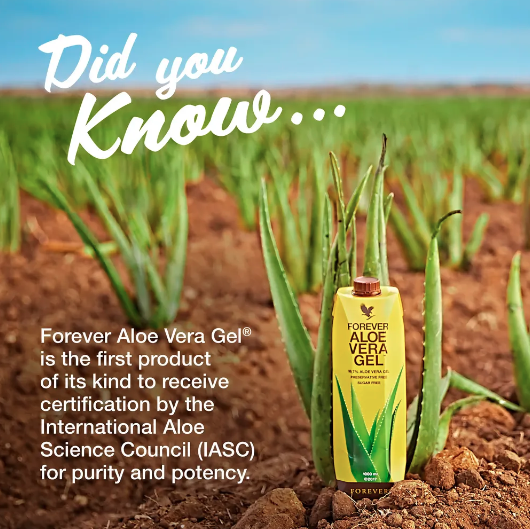
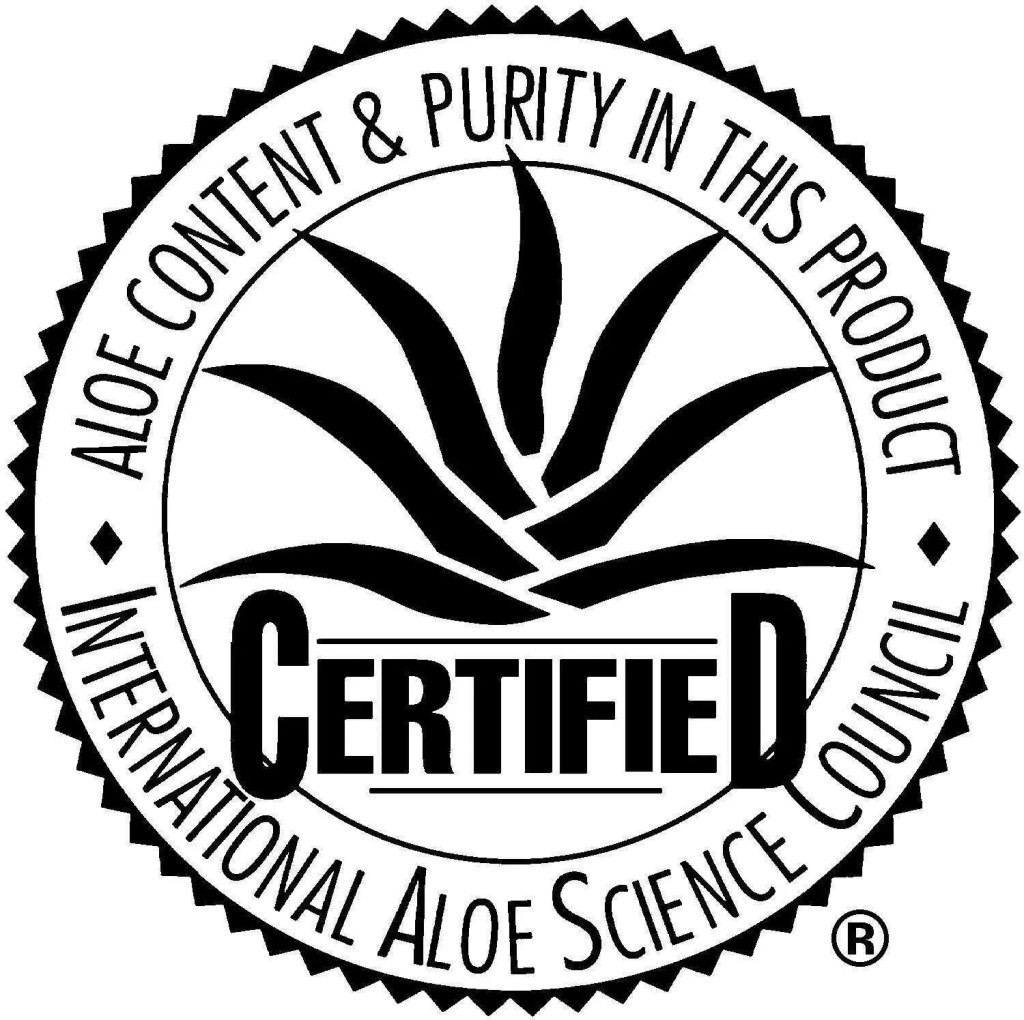
Certifications from credible organizations like the International Aloe Science Council (IASC) can help you verify a product’s purity and efficacy. These certifications ensure that the product meets strict quality standards, so always check for such seals to avoid falling for deceptive products.
The Importance of Understanding Labels and Why Regulatory Differences Matter
Understanding the difference between nutritional labels and supplement labels is crucial because these regulatory differences directly affect product quality. Products with nutritional labels are required to undergo stricter testing and provide a detailed ingredient breakdown. This gives you confidence that you’re purchasing a purer, more effective product.
Nutritional Labels: Found on food and beverage products, nutritional labels offer transparency about the contents and purity of the product. Products like those containing 99.7% inner leaf aloe vera gel typically have these labels, providing clear information about their composition.
Supplement Labels: These labels, found on health supplements, offer more flexibility to manufacturers and are not as strictly regulated. This means companies can use fillers and additives without fully disclosing the true content of the product, which can dilute the effectiveness of aloe vera.
By recognizing these regulatory differences, you can better evaluate the quality of the aloe vera gel you’re buying and avoid products with unnecessary additives.
Why This Matters
Aloe vera is known for its healing and soothing properties, especially for skin and digestive health. However, only high-quality, minimally processed aloe vera gel will deliver these benefits. Products that are diluted with water or filled with additives won’t provide the same results and could lead to disappointment.
Finding the best aloe vera gel requires attention to detail, but it’s worth the effort. Understanding the differences between nutritional and supplement labels, reading the ingredient list carefully, and looking for reputable certifications can help you avoid being misled by marketing claims. Always choose products with high percentages of inner leaf aloe vera gel and minimal additives to ensure you’re getting the best product for your health and make sure the nutritional (not supplement) label has been provided.
Remember, just because a product says “aloe vera” on the label doesn’t mean it’s pure. Take the time to research, and don’t be swayed by flashy packaging. By following these guidelines, you’ll be able to enjoy the full benefits of true aloe vera gel.
Let’s unlock the power of synergistic supplements together!
Navigating the world of supplements can be overwhelming. One of the most common questions is which supplements work best together. The secret to maximizing your supplement regimen lies in choosing blends where nutrients support and enhance each other’s effects. Let’s dive into how synergistic combinations can be more effective and why standalone supplements might not always deliver the same results.
1. Calcium and Magnesium
The Synergy:
Why: Calcium and magnesium are essential for bone health, but they work best together. Magnesium aids in the proper absorption of calcium and helps regulate its use in the body, ensuring it supports bone health rather than accumulating in tissues.
Supplement: Forever Calcium combines calcium and magnesium to provide a balanced approach to bone health and muscle function.
Without the Blend:
What Happens: Taking calcium without magnesium can lead to suboptimal calcium absorption. Excess calcium might accumulate in tissues, leading to potential health issues such as kidney stones or cardiovascular problems. Magnesium helps prevent this by ensuring calcium is used effectively.
2. Vitamin D and Calcium
The Synergy:
Why: Vitamin D enhances the body’s ability to absorb calcium from the intestines. Without adequate vitamin D, your body struggles to use calcium effectively, which can compromise bone strength.
Supplement: Forever Calcium includes vitamin D to boost calcium absorption and support bone health.
Without the Blend:
What Happens: Without vitamin D, even high calcium intake might not be fully utilized, leading to weakened bones and a higher risk of osteoporosis. The blend ensures that calcium is efficiently absorbed and used by the body.
3. Forever Absorbent-C (with Oat Bran)
The Synergy:
Why: Absorbent-C features oat bran, which slows down the absorption of vitamin C. This gradual release allows for sustained benefits, supporting immune function and collagen formation over a longer period.
Supplement: Forever Absorbent-C ensures that vitamin C is absorbed steadily, maximizing its effectiveness.
Without the Blend:
What Happens: Without the oat bran, vitamin C can pass through the body too quickly and be excreted in the urine, meaning it may not be fully utilized. This can reduce its effectiveness, as the body doesn’t retain and absorb it steadily. The blend in Forever Absorbent-C ensures that vitamin C is absorbed gradually and provides long-lasting benefits.
4. Zinc and Copper
The Synergy:
Why: Zinc and copper need to be balanced as high levels of zinc can interfere with copper absorption. Together, they support immune function and enzyme activities effectively.
Supplement: Forever Daily contains both zinc and copper to maintain this delicate balance and ensure optimal health.
Without the Blend:
What Happens: Excessive zinc intake without copper can lead to copper deficiency, which impairs various bodily functions, including energy production and cardiovascular health. The blend helps maintain a healthy mineral balance.
5. Omega-3 Fatty Acids and Vitamin E
The Synergy:
Why: Vitamin E acts as an antioxidant, protecting omega-3 fatty acids from oxidation. This combination enhances the stability and effectiveness of omega-3s, which support cardiovascular health and reduce inflammation.
Supplement: Forever Arctic Sea combines omega-3s with vitamin E to ensure the fatty acids are well-protected and utilized.
Without the Blend:
What Happens: Without vitamin E, omega-3 fatty acids can oxidize and lose their effectiveness, reducing their benefits for heart health and inflammation. The blend ensures the omega-3s remain potent and beneficial.
6. B Vitamins Together
The Synergy:
Why: B vitamins work best in combination, as they support various aspects of metabolism, nervous system health, and red blood cell production. Each vitamin enhances the function of others in the B-complex group.
Supplement: Forever B12 Plus includes B12 and folic acid, providing a comprehensive approach to energy and overall health.
Without the Blend:
What Happens: Taking individual B vitamins without the full complex can lead to imbalances and reduced effectiveness. For instance, without folic acid, vitamin B12 alone might not fully support red blood cell production and nervous system health.
7. Forever Marine Collagen
The Synergy:
Why: Forever Marine Collagen combines marine-based collagen with complementary ingredients such as vitamins, zinc, and other natural botanicals. This synergistic blend promotes skin hydration, elasticity, and joint health by supporting collagen production and protecting the skin against oxidative stress.
Supplement: Forever Marine Collagen is formulated to ensure that collagen and its supporting ingredients work together to enhance your skin’s natural glow and overall vitality.
Without the Blend:
What Happens: Taking collagen alone may not deliver the same level of benefits. The additional ingredients in the blend, such as vitamin C and zinc, are crucial for collagen synthesis and overall skin health, amplifying the collagen’s effectiveness.
8. Forever Garcinia Plus (with Chromium)
The Synergy:
Why: Garcinia helps to reduce fat storage and suppress appetite, while chromium plays a vital role in stabilizing blood sugar levels, making the two an ideal combination for weight management and energy support.
Supplement: Forever Garcinia Plus combines garcinia with chromium to aid in fat metabolism, control cravings, and stabilize blood sugar levels.
Without the Blend:
What Happens: Without chromium, garcinia’s benefits for weight management might be less effective as blood sugar imbalances could cause energy crashes and cravings. The blend ensures you get steady energy and better weight control.
Conclusion
Choosing supplements that combine nutrients with synergistic effects is crucial for maximizing their benefits. By selecting blends where nutrients enhance each other’s absorption and function, you ensure that your body receives the full spectrum of benefits and maintains optimal health. Whether it’s calcium and magnesium, vitamin D and calcium, or any other combination, the right blend makes a significant difference in your supplement regimen.
When it comes to skin health, what we put into our bodies can be just as important as what we put on our skin. A holistic approach to skincare recognizes the connection between internal health and outward beauty, focusing on natural ways to care for your skin from within. In this post, we’ll explore how your gut microbiome impacts your skin, the benefits of drinking aloe vera, and why natural products may be a better choice for sensitive or problematic skin.
1. Gut Microbiome and Skin Health: The Gut-Skin Connection
You may not think of your gut when you think of skincare, but the two are more closely related than you might imagine. The health of your gut microbiome—essentially, the balance of good and bad bacteria in your digestive system—plays a crucial role in the condition of your skin. This relationship is often called the “gut-skin axis,” and it can have a profound impact on skin issues like acne, eczema, and inflammation.
When your gut is out of balance, it can lead to systemic inflammation that shows up on your skin in the form of breakouts, irritation, or other skin conditions. On the flip side, a healthy gut microbiome can improve skin clarity, boost hydration, and even slow signs of aging. Supporting gut health with a diet rich in probiotics, fiber, and nutrients can lead to healthier, more radiant skin.
One way to naturally support your gut and skin is by consuming aloe vera. Aloe vera is known for its digestive benefits, helping to soothe the gut lining and reduce inflammation throughout the body. By addressing gut health first, you can take an inside-out approach to achieving clearer, healthier skin.
2. Drinking Aloe Vera for Skin Health
In addition to its gut benefits, drinking aloe vera can directly support skin health. Aloe vera is packed with vitamins, antioxidants, and anti-inflammatory properties that help hydrate the skin and promote healing. When you drink aloe vera, it nourishes your skin from the inside out, supporting a healthy glow and reducing issues like redness and irritation.
Aloe vera also acts as a natural detoxifier, helping to flush out toxins that may contribute to skin issues like acne. By integrating aloe vera into your daily routine, you can support your skin’s natural healing processes and improve its overall appearance.
3. Choosing Natural Skin Care Over Store-Bought Cosmetics
MY STORY... For many years, I relied on store-bought cosmetics, and I thought they were doing the job just fine—until one day they didn’t. While attending a long weekend conference, I developed a severe allergic reaction to a popular cosmetic brand I had used for years. My eyes became swollen and irritated, and I had to stop using makeup altogether. I spent the rest of the event uncomfortable, not only because of my swollen eyes but also because of how self-conscious I felt in public.
That experience made me realize the risks of using store-bought cosmetics that often contain harsh chemicals, preservatives, and artificial fragrances. While they may seem effective in the short term, they can cause long-term damage to sensitive skin. I was forced to reevaluate my skincare choices and eventually switched to natural products, including aloe-based formulas, that are gentler on the skin.
Now, I exclusively use safe, natural skincare products that support my skin’s health without causing irritation. For anyone with sensitive or problematic skin, such as acne, I recommend exploring natural, chemical-free products to avoid adverse reactions.
Get Your Gift
Fill out this form to receive my gift:
The Cleanest Products for Personal and Skin Care List.
For those of us dealing with sensitive or acne-prone skin, a holistic approach is key. Start by supporting your skin from within by taking care of your gut health, and consider incorporating aloe vera into your diet to promote overall skin clarity and hydration. Be mindful of the products you apply to your skin, and opt for natural, aloe-based options that are free from harmful chemicals.
By nurturing your skin both internally and externally, you can enjoy healthier, more radiant skin that lasts.
If you’d like to learn more about how a holistic skincare routine can work for you, feel free to get in touch. Let’s care for our skin in the most natural and effective way possible!
We’ve all heard the phrase, “You are what you eat.” But as Dr. Sten Ekberg wisely points out, it’s not just about what you eat, but also about what your body actually absorbs and the hidden toxins produced by your gut bacteria. Let’s break down what this means and why it’s crucial for your health—and how a 9-day group detox can help you take control of your well-being.
The Myth of “You Are What You Eat”
We often take comfort in the idea that if we eat well, we’ll be healthy. But Dr. Ekberg reminds us that it’s not quite that simple. You can eat the healthiest foods in the world, but if your body isn’t absorbing the nutrients effectively, they’re not doing you much good. Your digestive system plays a huge role in how those nutrients are utilized—or not.
Absorption: The Missing Piece
Your body’s ability to absorb nutrients depends on several factors, including gut health, the presence of digestive enzymes, and even your stress levels. Poor gut health, for example, can lead to a condition known as “leaky gut,” where your intestines don’t effectively absorb nutrients and even allow harmful substances into your bloodstream.
So, it's not just about eating kale and quinoa; it's about making sure your body can actually use the nutrients in those foods.
But there’s more. Inside your gut, there’s a constant battle between beneficial bacteria that help you and opportunistic bacteria that can harm you. When the balance tips in favor of the harmful bacteria, they produce toxins that can lead to inflammation, fatigue, and a host of other health issues.
This toxic load can accumulate over time, even if you’re eating well.
It’s not just about avoiding junk food; it’s about maintaining a gut environment that supports the good bacteria and keeps the bad ones in check.
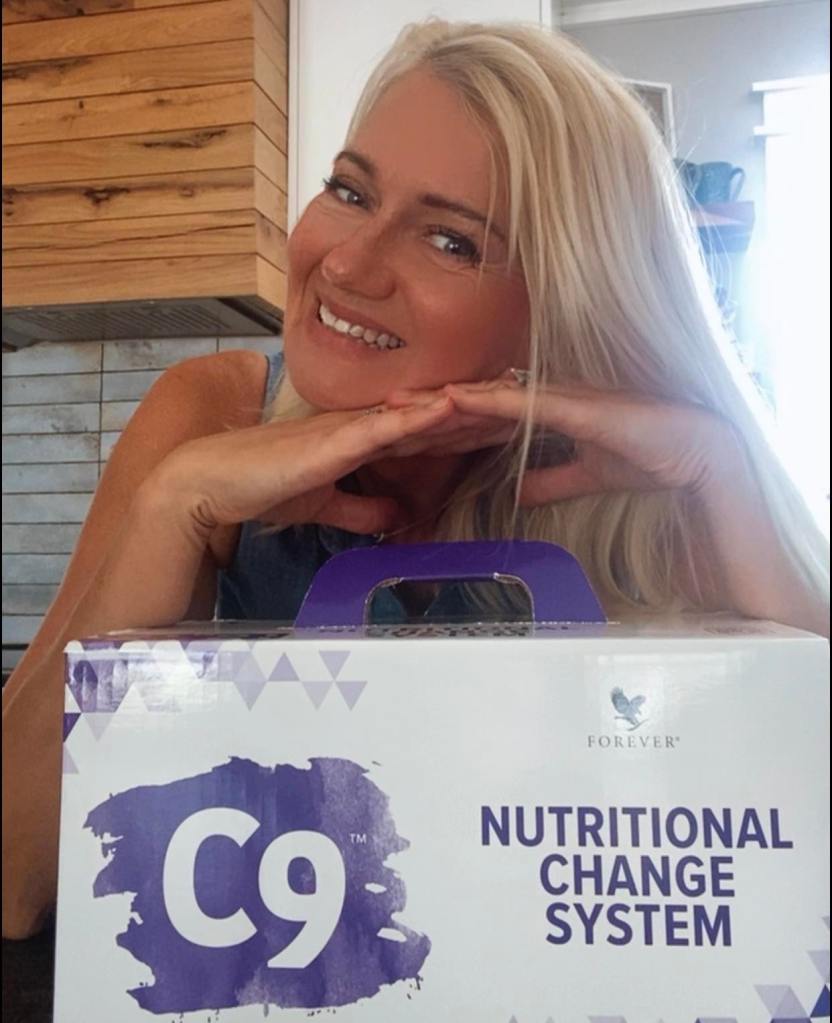
This is where a 9-day group detox comes into play. Detoxing is not just a trendy word—it’s a crucial step to reset your body, cleanse it of accumulated toxins, and restore balance in your gut. By joining a group detox, you not only commit to the process but also gain the support and motivation of others on the same journey.
During the detox, you’ll focus on consuming nutrient-dense foods, staying hydrated, and using supplements designed to support your body’s natural detoxification processes.
The result? A gut that’s better equipped to absorb the nutrients you eat and a significant reduction in the harmful toxins produced by opportunistic bacteria.
If you are considering joining our Group Detox on 9/9/2024 please contact me in the form below.
In case you miss it, contact me anyway.
Reserve Your Spot or Ask Questions
Fill out this form to reserve your spot or ask any questions regarding the program.
If you are interested in receiving a FREE booklet with suggested meal and shake recipes for 9 days, please request that in the message field below. I will be happy to share.
So, what can you do? First, focus on gut health. Probiotics, prebiotics, and a diet rich in fiber can help maintain the balance of good bacteria. Secondly, consider supplements that enhance nutrient absorption, like digestive enzymes or aloe-based products that support gut lining integrity. Lastly, be mindful of stress, as it can negatively impact both digestion and gut flora.
And don’t forget the power of detoxification. A 9-day group detox can jumpstart your journey to better health, helping you eliminate toxins and improve nutrient absorption.
You are what you eat, minus what doesn’t get absorbed, plus the toxins produced by opportunistic bacteria.
It’s a complex equation, but understanding it—and taking proactive steps like detoxing—is the first step toward better health.
When it comes to protecting our bones as we age, the first thing that comes to mind for most people is calcium. We’ve been told over and over that drinking milk or taking calcium supplements is the magic bullet for strong bones. But what if I told you that focusing solely on calcium might be missing the bigger picture?
Understanding the Real Culprits Behind Osteoporosis
Osteoporosis, a condition where bones become brittle and fragile, isn’t just about a lack of calcium. It’s a complex issue influenced by various factors, including diet, lifestyle, and even the foods we should avoid. Here’s what you really need to know to safeguard your bones:
1. Protein: The Unsung Hero for Bone Health
We often overlook protein’s role in bone health. Yet, proteins are crucial for maintaining and repairing tissues, including bones. Proteins provide the scaffolding that supports bone mineralization, which means without enough protein, your bones may not have the structure they need to stay strong.
Study Evidence: A study published in Osteoporosis International found that elderly individuals with higher protein intake had a 70% lower risk of hip fractures compared to those with lower protein intake. This shows just how essential adequate protein is for maintaining bone strength.
Human Body Composition Insight: The human body is composed of approximately 20% protein, emphasizing the need to consume enough high-quality protein to support not only muscle mass but also bone structure. For an average European, the protein intake often ranges between 9-15%, while the ideal should be closer to 20% to match the body’s natural composition.
2. Magnesium: The Mineral That Helps Calcium Work
Magnesium plays a pivotal role in bone health, often working in tandem with calcium. It helps convert vitamin D into its active form, which in turn aids calcium absorption. Without enough magnesium, calcium may not be as effective in maintaining bone density.
Study Evidence: Research in the Journal of the American College of Nutrition showed that higher magnesium intake was associated with greater bone mineral density in older adults. Despite this, nearly 50% of the U.S. population consumes less than the recommended amount of magnesium.
Human Body Composition Insight: Although minerals account for only 4% of the human body’s composition, the role of magnesium within this fraction is crucial. Many people focus heavily on calcium, overlooking the essential role of magnesium, which should be consumed in the range of 310-420 mg per day to maintain optimal bone health.
3. Vitamin D: The Sunshine Vitamin
Vitamin D is critical for bone health because it aids in the absorption of calcium and phosphorus, another key mineral for bones. Without sufficient vitamin D, your body can’t absorb the calcium you consume, no matter how much you take in.
Study Evidence: A large meta-analysis published in The Lancet Diabetes & Endocrinology found that vitamin D supplementation significantly reduced the risk of hip fractures by up to 30% in older adults.
Human Body Composition Insight: While water makes up about 65% of the human body, vitamin D’s role, though tiny in proportion, is monumental in ensuring that the calcium within your system is utilized effectively. An intake of 600-800 IU per day is recommended, with higher amounts potentially needed in areas with less sunlight.
4. Vitamin K2: The Overlooked Protector
Vitamin K2 works by helping to direct calcium to the bones where it’s needed and preventing it from depositing in the arteries, which could lead to cardiovascular issues. It’s like the traffic cop that makes sure calcium goes to the right place.
Study Evidence: A study published in Osteoporosis International demonstrated that postmenopausal women who consumed higher amounts of vitamin K2 had a significantly lower risk of hip fractures. Despite its importance, vitamin K2 is often under-consumed in Western diets.
Human Body Composition Insight: While minerals may make up only about 1-1.5% of the body in an average American, ensuring adequate vitamin K2 intake is crucial to making sure that the small but critical amount of calcium in your body is used correctly.
5. Collagen: The Building Block for Bone Structure
Collagen, often touted for its skin benefits, also plays a crucial role in bone health. It’s the most abundant protein in your body and provides the framework upon which minerals like calcium are deposited. Without adequate collagen, your bones can become brittle and more susceptible to fractures.
Study Evidence: Research published in Nutrients highlighted that collagen supplements improved bone mineral density in postmenopausal women, a group particularly at risk for osteoporosis. By supporting the integrity of the bone matrix, collagen ensures that your bones remain strong and flexible.
Human Body Composition Insight: Since collagen is a major component of the bone matrix, making up about 30% of bone tissue, ensuring an adequate intake of collagen through diet or supplementation can be pivotal in maintaining bone health. Foods like bone broth, fish, and collagen supplements can help support your body’s natural collagen production, providing a vital foundation for strong bones.
6. Limit Your Sugar and Refined Carbohydrates
Here’s where we need to consider not just what to add to our diets, but also what to eliminate. Excessive sugar and refined carbohydrates can lead to an acidic environment in your body. To neutralize this acidity, your body may pull calcium from your bones, weakening them over time.
Study Evidence: A study in The American Journal of Clinical Nutrition found that high sugar intake was associated with lower bone mineral density in adolescents, a trend that could continue into adulthood.
Human Body Composition Insight: In an average American, carbohydrates can make up as much as 25-65% of their dietary intake, often skewed toward refined sugars and processed foods. This imbalance can lead to a detrimental acidic environment, further depleting essential minerals like calcium and magnesium from your bones.
7. Avoid Excessive Salt Intake
A diet high in salt can cause calcium to be excreted from the body through urine, reducing the amount of calcium available to build and maintain strong bones.
Study Evidence: Research has shown that high sodium intake can increase calcium loss in the urine, leading to bone thinning over time. The average American diet, which often exceeds recommended sodium levels, contributes to this issue.
Dietary Advice: Monitoring your salt intake and avoiding overly processed foods, which are often loaded with hidden sodium, is essential for maintaining bone health.
Get Your Gift
To receive a comprehensive list of natural sources for supporting BONE HEALTH, please fill out the form below.
Final Thoughts: A Holistic Approach to Bone Health
Osteoporosis prevention isn’t about popping a calcium pill and calling it a day. It’s about a holistic approach that includes a diet rich in diverse nutrients, a lifestyle that encourages regular physical activity, and mindfulness about what foods might be harming your bones rather than helping them.
As we grow older, our bones require more attention, not just from calcium, but from a balanced diet that supports overall bone health. By making thoughtful dietary and lifestyle choices now, you can help ensure that your bones remain strong and resilient well into your later years.
Remember, it’s not just about what you add to your diet, but also what you remove that can make all the difference in maintaining healthy bones for life.
As we head into the fall season, it’s the perfect time to refresh our bodies and minds with a natural detox. Starting on September 9, our group will start a 9-day journey to rejuvenate and energize ourselves. Here’s why this group detox is an opportunity you won’t want to miss and the incredible benefits that come with it.
The Power of Natural Detox
Natural detoxification is more than just a trend—it’s a holistic approach to cleansing your body and promoting overall well-being. By eliminating toxins and supporting your body’s natural processes, you can enhance your health, energy levels, and mental clarity. Here’s how a natural detox can benefit you:
Increased Energy Levels: As your body clears out accumulated toxins, you’ll likely experience a boost in energy and vitality. This newfound energy can help you tackle daily tasks with enthusiasm and focus.
Improved Digestion: A detox can help reset your digestive system, leading to better nutrient absorption and reduced bloating. You might notice a more regular bowel pattern and less digestive discomfort.
Clearer Skin: Detoxifying can help your skin look and feel healthier. By removing toxins, you can reduce blemishes and achieve a natural glow.
Mental Clarity: Many people find that detoxing helps improve their mental focus and clarity. A clean body often leads to a clearer mind.
Weight Management: Detoxing can kickstart your journey to a healthier weight by encouraging better eating habits and reducing cravings.
The Benefits of Group Detox
Embarking on a detox journey with a group offers unique advantages:
Shared Motivation: Being part of a group provides a sense of community and accountability. When everyone is working towards the same goal, motivation and commitment levels often rise.
Support and Encouragement: Detoxing can be challenging, but having a group for support makes the process easier. You’ll have people to share tips, celebrate successes, and offer encouragement during tough moments.
Shared Knowledge: Groups often foster the exchange of valuable information and tips. You’ll benefit from others’ experiences and insights, which can enhance your own detox experience.
Increased Enjoyment: The social aspect of group detoxing can make the process more enjoyable. Shared activities, discussions, and encouragement make the journey feel less like a challenge and more like a fun, collective adventure.
Get Your Gift
Fill out this form to receive your gift:
– my E-Book with 600 kcal meal recipes for group detox –
Our 9-day detox program offers comprehensive benefits to help you achieve your health goals. Here’s what makes it special:
Comprehensive Cleansing: The program includes products designed to support your body’s natural detoxification processes, cleanse your digestive system, and restore balance.
Nutrient-Rich: Enjoy a selection of nutrient-rich foods and supplements that provide essential vitamins and minerals while supporting your detox efforts.
Easy-to-Follow Plan: With a straightforward plan, you’ll know exactly what to do each day, making it easy to stay on track and achieve your goals.
Supports Overall Wellness: The program is designed to support not just detoxification, but overall wellness, including energy levels, digestion, and mental clarity.
Customized for Success: The program is adaptable to fit your needs and lifestyle, ensuring that you get the most out of your detox experience.
Join Us for a Fresh Start
Starting on September 9, join our group for a transformative 9-day natural detox. Experience the benefits of cleansing your body, boosting your energy, and enhancing your overall health. With the support of our community, you’ll be well on your way to achieving your wellness goals.
Ready to take the plunge? Let’s experience this journey together and discover the amazing benefits!
In recent years, we’ve witnessed a staggering increase in chronic health issues across the U.S. The numbers are alarming: 74% of adults are overweight or obese, and nearly 50% of children are now classified as obese. Less than a century ago, obesity was so rare that it was considered a circus act; today, it’s a public health crisis. The statistics paint a sobering picture: 66% of adults and children today are dealing with chronic health issues—conditions that were virtually nonexistent just 50 years ago. This epidemic is affecting not only our waistlines but our collective well-being.
While medications like Ozempic are being prescribed to manage these issues, we have to ask ourselves: is this truly addressing the root cause of the problem, or is it just a temporary fix? The reality is that our relationship with food, combined with the rise of ultra-processed foods, toxic chemicals, and hormone disruptors, plays a significant role in our health crisis. If we continue to rely on quick fixes, we risk missing the opportunity to regain control of our health naturally.
The Cost of a Broken Food System
Let’s start with the facts. In the year 2000, autism affected 1 in every 1,500 children; today, that number is 1 in 36, with some states like California reporting rates as high as 1 in 22. Alarming, right? And it doesn’t stop there. We’re seeing a 79% rise in young adult cancers, and a shocking 18% of teenagers now have fatty liver disease—an illness that was once confined to adults with chronic alcohol consumption. One in three children are expected to develop diabetes, a condition now being classified in some cases as “Type 3 Diabetes” due to its link with Alzheimer’s disease.
So what’s contributing to this unprecedented rise in disease? Look no further than the foods we’re putting into our bodies. Processed sugars, seed oils, ultra-processed grains, and hormone-laden foods are fueling this health crisis. These ultra-processed foods have become staples in the American diet, even though many are banned in Europe. To make matters worse, 70% of school lunches served to our children are highly processed, filling their growing bodies with empty calories and harmful chemicals.
The Hidden Costs of Medications Like Ozempic
Given the current state of our health, it’s no wonder people are turning to medications like Ozempic in desperation. After all, it’s being marketed as a miracle drug for weight loss and blood sugar management. But here’s the harsh reality: Ozempic is not without risks. Side effects include nausea, vomiting, pancreatitis, and an increased risk of thyroid tumors. While the short-term benefits may seem enticing, the long-term unknowns and potential for serious health risks are cause for concern.
In Denmark, the government does not recommend Ozempic as a solution for obesity. Instead, they advocate for lifestyle changes—an approach that addresses the root of the problem rather than masking the symptoms with a pill. It’s time we follow suit and prioritize nutrition and lifestyle changes over pharmaceutical interventions.
Rebuilding a Healthy Relationship with Food
The key to long-term health isn’t found in a prescription bottle—it’s found on our plates. Rebuilding a positive relationship with food can transform our health more powerfully than any medication. When we choose to nourish our bodies with whole, nutrient-dense foods, we naturally begin to heal from the inside out. Here’s how:
Stabilizing Blood Sugar: Whole foods rich in fiber, healthy fats, and proteins help regulate blood sugar naturally, reducing the risk of developing diabetes and other metabolic disorders. Instead of turning to medications like Ozempic, which come with dangerous side effects, you can stabilize your blood sugar through mindful dietary choices.
Weight Management: Sustainable weight loss comes from balanced eating habits, not from quick-fix solutions. Instead of relying on a medication to suppress appetite, focus on whole foods that leave you feeling satisfied and nourished, reducing cravings and emotional eating.
Mental and Emotional Well-Being: Nearly 40% of teens are now diagnosed with mental health issues, with a startling number on medications like SSRIs and Adderall. Half a million children are on SSRIs alone. Our food choices play a significant role in mental health, with ultra-processed foods and additives contributing to mood imbalances, depression, and anxiety. By fueling our bodies with real, nourishing food, we support both our physical and mental health.
Supporting Hormonal Health: The U.S. has seen the earliest onset of puberty in recorded history, largely driven by hormone-disrupting chemicals in our food and environment. We’re also facing an epidemic of estrogen-driven breast cancer. By reducing exposure to processed foods and harmful chemicals, we can take control of our hormonal health and reduce the risk of disease.
Reversing Chronic Disease: Half of Americans today have diabetes, and 1 in 4 women are on antidepressants. The rise in chronic conditions, from diabetes to Alzheimer’s, is a direct result of our food environment. But the good news is, these conditions are largely preventable and reversible through proper nutrition and lifestyle changes. You can regain control of your health by shifting away from processed, toxic foods and focusing on real, whole ingredients.
Why Isn’t This Talked About More?
With statistics like these, you’d think the connection between food and health would be at the forefront of every news outlet and health conversation. So why isn’t it? The reality is that the food and pharmaceutical industries hold enormous power and influence. As long as we continue to rely on ultra-processed foods, these industries thrive. And when we turn to medications like Ozempic to manage the symptoms of poor diet and lifestyle, the cycle continues.
The good news is, we don’t have to be victims of this broken system. We can take back control by educating ourselves, making conscious choices, and embracing a healthier relationship with food. It won’t happen overnight, but every small step towards a better diet brings you closer to a healthier, happier life.
Start today by focusing on whole, nourishing foods. Listen to your body, practice mindful eating, and ditch the diet mentality. You don’t need a pill to heal—you just need to reconnect with the power of real food.
If we want to change the future of health, it starts with the choices we make today. Let’s stop looking for shortcuts and start investing in the most powerful medicine we have: the food on our plates.
References: Means, Casey. Good Energy: A Path to Vitality and Health.