
In the ever-expanding world of wellness habits, two natural remedies continue to spark heated debate: drinking baking soda and drinking pure aloe vera gel. Both have loyal followings and centuries-old reputations. But is one healthier than the other? And more importantly, is it actually safe to drink either of them every day?
Let’s break it down: benefits, risks, and what you need to know before adding either to your morning glass.
Option 1: Drinking Baking Soda Daily
What it is: Baking soda (sodium bicarbonate) is a natural compound with alkaline properties. It’s been used for decades as a remedy for heartburn, acid indigestion, and even athletic performance.
✅ Potential Benefits
- Temporary Acid Reflux Relief: Neutralizes stomach acid and provides quick relief for occasional heartburn. Not recommended as a permanent solution for acid reflux.
- Alkalizing Effect: Some people believe it helps balance the body’s pH (though the body tightly regulates pH on its own).
- Workout Recovery: In sports science, baking soda is sometimes used to reduce lactic acid buildup during high-intensity workouts.
⚠️ Risks and Safety Concerns
- Risk of Alkalosis: Overuse can disturb the body’s pH balance, leading to a rare but dangerous condition called metabolic alkalosis.
- Worsen Acid Reflux: Regular drinking baking soda will lower stomach acid too much, which can impair digestion and weaken the muscle that prevents acid rising into the esophagus.
- High Sodium Load: Just ½ teaspoon contains around 600mg of sodium. Daily use can increase the risk of high blood pressure, water retention, and kidney strain.
- Disrupts Gut Balance: While it may reduce stomach acid temporarily, long-term use can impair digestion and reduce the body’s ability to absorb nutrients.
🚫 Not Recommended For
People with hypertension, kidney issues, heart problems, or those on sodium-restricted diets. It’s also not recommended for long-term daily use without medical supervision.
Option 2: Drinking Pure Aloe Vera Gel Daily
What it is: When extracted properly from the inner part of the aloe vera leaf (not the outer latex), aloe vera gel is rich in water, vitamins, enzymes, and polysaccharides. It’s been used for centuries for both internal and external healing.
✅ Potential Benefits
- Digestive Support: Helps soothe the stomach lining, supports regular bowel movements, and promotes a healthy microbiome.
- Hydration & Detox: Aloe’s water-rich content supports deep hydration and may assist the body’s natural detox systems.
- Skin Health: Supports skin from the inside out by reducing inflammation and improving moisture retention.
- Immune & Anti-Inflammatory Support: Contains vitamins A, C, E, and B12, along with enzymes and amino acids that support immune response and reduce inflammation.
- Blood Sugar and Cholesterol Support: Early studies suggest aloe vera gel may help regulate blood sugar and improve lipid profiles over time.
⚠️ Risks and Safety Concerns
- Quality Matters: Not all aloe is safe. Aloe that contains aloin (from the outer leaf latex) can cause cramping, diarrhea, and even liver damage. Always choose decolorized, purified, certified inner leaf gel.
- Pregnancy Caution: Not recommended during pregnancy without consulting a doctor.
- Allergic Reactions: Rare, but possible, especially in people allergic to onions or garlic.
✅ Generally Safe For:
Most healthy adults, when consumed in small daily amounts (typically 1-2 oz or 30-60 ml). Choose certified inner leaf aloe vera with no latex, no added sugar, no preservatives.
Final Thoughts: Which One Wins
If you’re choosing a daily wellness drink, pure aloe vera gel (inner leaf only) comes out far ahead. While baking soda has a place for occasional relief, it’s not ideal for regular use, especially considering the sodium load and potential side effects.
Aloe vera, on the other hand, offers gentle, full-body support, from digestion to skin to hydration, when sourced safely and consumed moderately.
A Note About Aloe Vera Quality
If you’re curious about trying aloe vera gel, quality is everything. Look for:
• Inner leaf only
• Decolorized and purified
• Certified for ingestion (IASC seal is ideal)
• No added preservatives or sugars
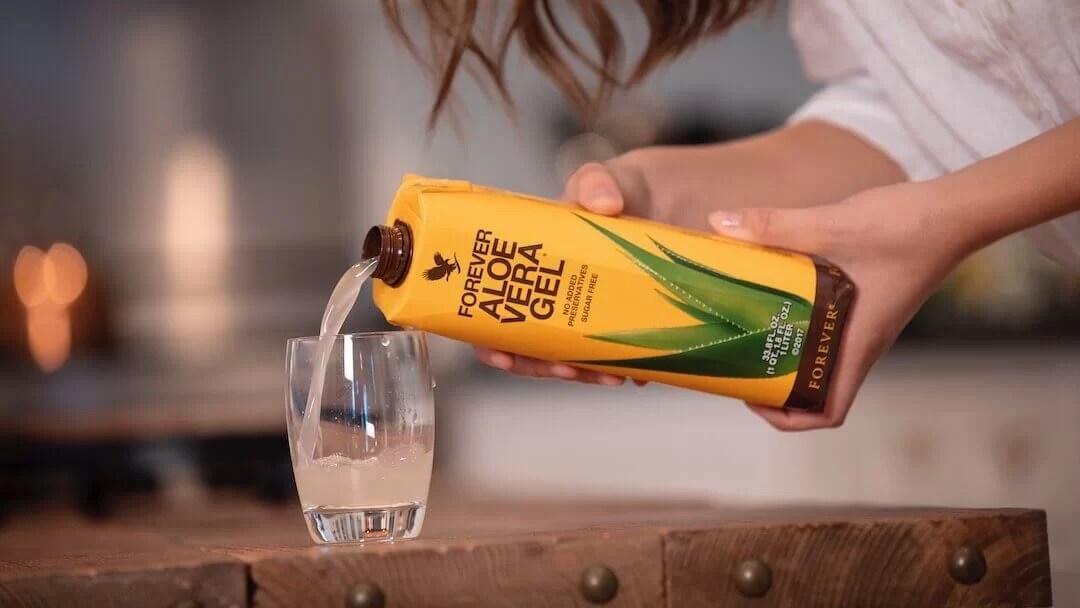
One trusted source I personally recommend is Forever Living’s Aloe Vera Gel, it’s certified, safe, and trusted worldwide. I only recommend products I use myself, and this one checks every box for purity and potency.
Have you tried either of these daily wellness drinks? What’s your experience been like? Let’s chat in the comments, I’d love to hear your thoughts.

 Gut Health Matters