In today’s world, chronic inflammation has become an underlying factor in countless health concerns — from skin disorders and joint pain to high cholesterol, insulin resistance, and fatigue. While many people focus on managing individual symptoms with creams, medications, or restrictive diets, the real solution lies deeper.
At the center of it all is your gut.
The gut is not only responsible for digestion; it also plays a crucial role in immune function, hormonal balance, and systemic inflammation. When the gut lining becomes compromised — a condition known as leaky gut — it allows toxins and undigested particles to enter the bloodstream, triggering inflammation throughout the body. Unfortunately, this condition is far more common than most people realize.
Leaky Gut = Systemic Inflammation
That means your body is constantly reacting to things it shouldn’t, leaking toxins into your bloodstream, weakening your immune system, and disrupting your insulin response. That inflammation? It’s showing up as:
Skin problems like eczema, psoriasis, and acne
Joint pain and stiffness
Digestive issues
Brain fog
Fatigue
Hormonal imbalance
High cholesterol and high blood pressure
And yes — insulin resistance
Most people don’t realize the connection. Skin conditions? Usually gut-related. Blood pressure? Often tied to insulin and inflammation in the gut. Even mental health struggles can be traced back to poor gut health. After all, your gut is often referred to as your second brain — and it’s time we start using our first brain to understand and heal it.
So what can you do?
Instead of endlessly managing symptoms, try this radical approach:
Focus on healing.
And one of the most powerful, natural ways to start that healing?
Aloe Vera.
Yes — the plant.
The juice from the aloe vera plant is like a natural healer for your gut lining. It soothes inflammation, supports digestion, helps regulate blood sugar, and promotes nutrient absorption.
It doesn’t mask symptoms — it targets the cause.
Think about it this way:
If your house is flooding, would you spend your time mopping the floor, or would you go fix the leak?
Stop mopping. Start fixing.
Give your gut what it needs to rebuild itself. Remove the irritants (processed food, artificial sugars, seed oils), and bring in the healers (aloe vera, whole foods, probiotics, fiber, rest, hydration). It’s not a magic overnight fix — but it is the only path to real, lasting health.
Your Gut Does So Much More Than Digest Food
It controls your mood, your immunity, your hormones, your energy, your skin, and your future.
When we think of chiropractic care, most of us associate it with treating back or neck pain. However, chiropractic medicine was originally developed to address a much broader spectrum of health concerns. Recently, I had the pleasure of listening to Dr. Ben Sweeney on his podcast, Recovering Wellness Hour, where he discussed natural treatments for peripheral neuropathy and the root causes of systemic inflammation.
Dr. Ben is more than a chiropractor—he’s an inspirational speaker who encourages patients and audiences to embrace a true wellness lifestyle. His approach not only focuses on managing symptoms but dives deep into addressing the underlying causes of chronic inflammation, which he identifies as a driver of modern health pandemics.
Inflammation: The Hidden Pandemic
Dr. Ben’s message is clear: our current health crisis stems largely from systemic inflammation, and much of it is tied to the foods we eat. Our diet, rich in convenience foods but poor in nutrition, has become a major contributor to chronic diseases like peripheral neuropathy. To combat this, Dr. Ben encourages us to “turn off our GPS”—a clever acronym highlighting three major dietary culprits: • G – Grains • P – Processed Foods • S – Sugar
Let’s explore why these foods are problematic and how avoiding them can reduce inflammation and improve overall health.
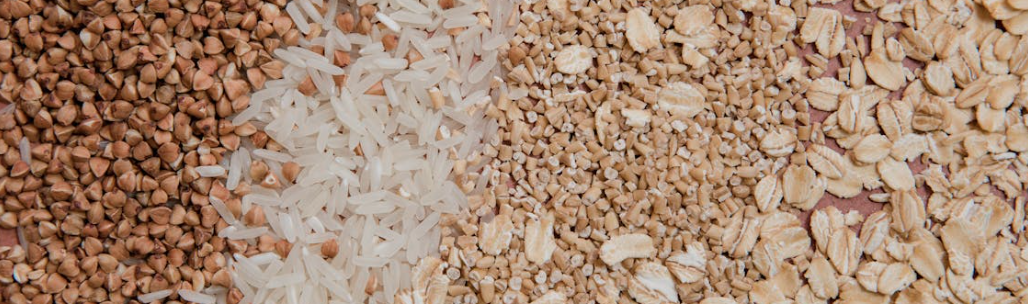
1. G is for Grain
Today’s grains are not the wholesome staples they were in the past. Modern grains are often laden with pesticides, gluten, and genetically modified organisms (GMOs), making them highly inflammatory.
Dr. Ben explained that grains quickly convert to glucose in the bloodstream, causing blood sugar levels to spike. This rapid conversion contributes to insulin resistance and systemic inflammation.
Here’s the breakdown: • Bread vs. Sugar: While table sugar (a mix of glucose and fructose) is processed differently than bread, bread can actually be worse for your body. Bread is primarily starch, which breaks down directly into glucose in the bloodstream, leading to an immediate and sharp blood sugar spike. Table sugar, by contrast, contains fructose, which is metabolized more slowly by the liver. The result? Bread can cause a more immediate insulin response, driving inflammation even faster.
In short, grains are not the nutritional necessity we once thought. Unlike proteins and fats—both of which are essential to human survival—there’s no such thing as an “essential carbohydrate.” We cannot live without “essential amino acids” (proteins) nor “essential fatty acids” (healthy fats) but we can live and thrive without carbs.
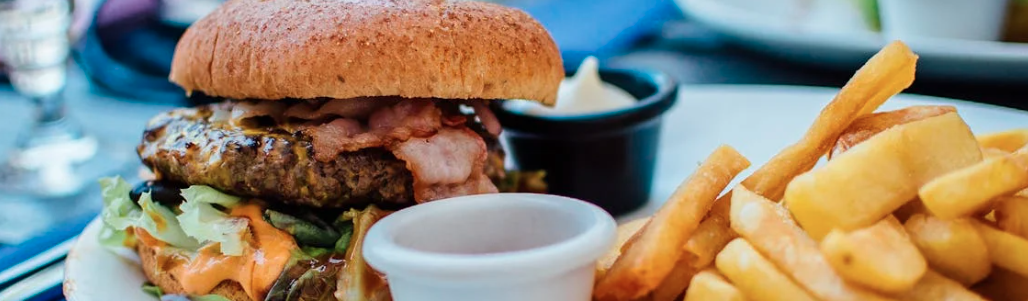
2. P is for Processed Foods
Processed foods are another major contributor to inflammation, particularly because of the oils they contain. Processed seed oils, such as canola oil (derived from rapeseed), are loaded with omega-6 fatty acids. While omega-6 is necessary in small amounts, excessive consumption drives inflammation.
Dr. Ben highlighted that many processed foods, even those marketed as “healthy,” contain these inflammatory oils. Instead, he recommends focusing on healthier fats like: • For hot cooking: Coconut oil and avocado oil. • For cold uses: Olive oil and grass-fed butter.
By replacing processed oils with these nutrient-rich options, you can significantly reduce systemic inflammation.
3. S is for Sugar
Sugar consumption has skyrocketed over the years, and the numbers are staggering. Today, the average person consumes about 10 times more sugar annually than previous generations. This “battery acid for your nerves,” as Dr. Ben calls it, is a primary driver of inflammation and chronic conditions like peripheral neuropathy.
Here’s why sugar is so harmful: • Sucrose and Fructose: Table sugar (sucrose) is made up of glucose and fructose. Glucose is absorbed directly into the bloodstream, while fructose is processed by the liver. Excess fructose can lead to fatty liver disease, insulin resistance, and chronic inflammation. • Obscene Quantities: The sheer volume of sugar we consume overwhelms our bodies, leading to a host of inflammatory conditions.
By dramatically reducing sugar intake, we can begin to reverse these effects and improve our health.
The Anti-Inflammatory Plate: What to Eat Instead
Dr. Ben recommends a simple but effective dietary framework: • Protein: High-quality sources like grass-fed meats, free-range poultry, and wild-caught fish. • Vegetables: Rich in fiber and antioxidants, they help combat inflammation. • Fruit: Natural sweetness in moderation. • Healthy Fats: Avocado, coconut oil, olive oil, and nuts.
He also emphasizes the 80/20 rule: Aim for 80% clean, whole foods and allow yourself 20% flexibility. This balanced approach makes long-term change more sustainable.
Adding Aloe Vera Gel to Your Routine
One of the most effective natural remedies for inflammation is Aloe Vera Gel. Packed with anti-inflammatory properties, aloe vera soothes the gut lining, supports digestion, and enhances nutrient absorption. Incorporating a high-quality aloe vera gel into your daily routine can significantly amplify the benefits of eliminating grains, processed foods, and sugar from your diet.
The Path to True Wellness
Dr. Ben’s Recovering Wellness Hour podcast is a wake-up call to all of us. Systemic inflammation is at the root of so many chronic conditions, but we have the power to reverse it. By eliminating grains, processed foods, and sugar—and adding nutrient-dense, anti-inflammatory foods like aloe vera—we can take control of our health.
Your gut health matters, and it’s the foundation of overall wellness. This isn’t about perfection; it’s about progress. As Dr. Ben says, “True wellness starts at the end of your fork.”
Let’s turn off our GPS and take the first step toward a healthier, inflammation-free life today.
To learn more about Dr. Ben Sweeney’s approach to wellness, visit his official website.







 Gut Health Matters