
I’ve been looking deep into the subject of insulin resistance (IR) lately, and what I’ve learned has been truly eye-opening.
Did you know that over 80% of people have insulin resistance and don't even know it?
You might think you’re in the clear if your glucose levels are within the normal range, but here’s the catch: we often overlook our insulin levels during our yearly physical blood work until it’s too late. Many of us could be insulin resistant without even realizing it.
What is Insulin Resistance?
Insulin resistance is a condition where your body’s cells become less responsive to insulin, a hormone produced by the pancreas that helps regulate blood sugar levels.
When you consume carbohydrates, your blood sugar levels rise, prompting your pancreas to release insulin.
Insulin’s job is to help cells absorb glucose from the blood to use for energy or store as fat. However, when cells become resistant to insulin, they don’t absorb glucose as effectively, causing your pancreas to produce even more insulin. Over time, this can lead to consistently high insulin levels, even if your blood glucose levels appear normal.

The Hidden Dangers of Insulin Resistance
What’s truly alarming is that insulin resistance doesn’t just pave the way for type 2 diabetes. It’s also linked to a host of other serious health conditions, many of which are often overlooked:
- Obesity: Insulin resistance can make it difficult to lose weight, particularly around the abdomen.
- Atherosclerosis, Heart Attacks, and Strokes: High insulin levels can contribute to the buildup of plaque in arteries, increasing the risk of cardiovascular events.
- Permanently Lowered Immunity: Chronic high insulin can weaken the immune system.
- Cancer: Insulin resistance has been linked to several types of cancer, including breast, colon, and prostate cancer.
- Depression and Anxiety: The connection between insulin resistance and mental health issues is increasingly recognized.
- Chronic Fatigue Syndrome: Persistent fatigue may be a sign of underlying insulin resistance.
- Fertility Problems (in both men and women): Insulin resistance can lead to hormonal imbalances that affect fertility.
- Endometriosis: This painful condition has been linked to insulin resistance.
- Generalized Inflammation (e.g., Joint Pain): Insulin resistance can trigger chronic inflammation, leading to joint pain and other issues.
- Non-Alcoholic Fatty Liver Disease (NAFLD): This liver condition is strongly associated with insulin resistance.
- Thyroid Problems (such as Hashimoto’s): Insulin resistance can exacerbate thyroid issues, including autoimmune thyroiditis.
Why Insulin Levels Should Be Monitored
Despite the significant impact insulin resistance can have on our health, insulin levels are not typically monitored during routine physicals. This is a major oversight because you could be insulin resistant for years without knowing it, all while your body suffers the consequences.
Reversing Insulin Resistance: Diet and Lifestyle Changes
The good news is that insulin resistance can be effectively reversed through diet and lifestyle changes. I’ve personally decided to make a change, even though I don’t have weight issues. I’ve shifted to a low-carb diet and incorporated intermittent fasting into my routine. These changes have made a significant difference, and I’m excited to share my journey with you.

The Power of Aloe Vera in Reversing Insulin Resistance
In addition to dietary changes, there’s another powerful tool you can use to combat insulin resistance: aloe vera.
Dr. Elżbieta Olejnik, a PhD in biochemistry, has been working on research into the benefits of aloe vera, and the findings are impressive.
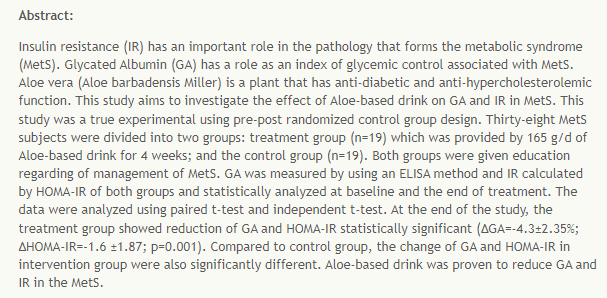
There’s a study showing that drinking aloe vera can reverse or significantly improve insulin resistance.
Aloe vera is known for its anti-inflammatory properties, and it helps regulate blood sugar levels, making it an excellent addition to a diet aimed at reversing insulin resistance.
Learning From the Best
I’ve been listening to Dr. Sten Ekberg and Dr. Elżbieta Olejnik a lot lately, and their teachings have greatly influenced my understanding of insulin resistance. In addition to their insights, research also supports the benefits of drinking aloe vera gel for improving insulin resistance. This natural remedy could be a powerful addition to your routine if you’re looking to manage your insulin levels more effectively.
Aloe Vera and Insulin Resistance: What the Research Says
In addition to the insights provided by Dr. Sten Ekberg and Dr. Elżbieta Olejnik, I came across a study that highlights the potential benefits of aloe vera gel for improving insulin resistance. The study, published in Phytomedicine in 2013, found that consuming aloe vera gel can significantly lower blood glucose levels and improve insulin sensitivity in individuals with prediabetes or type 2 diabetes. The researchers attribute these effects to the anti-inflammatory and antioxidant properties of aloe vera, which help regulate blood sugar and improve metabolic health .

My Upcoming E-Book: A Resource for Your Journey
As I continue my journey, I’m also working on an e-book that will include recipes for shakes, dinner meals, breakfast, and lunch suggestions—all designed to help you manage insulin resistance. I’m excited to offer this resource to you, my readers.


Take Action Now
Insulin resistance is a silent epidemic affecting millions of people, often without their knowledge. By understanding this condition and taking proactive steps, you can protect your health and potentially reverse insulin resistance before it leads to more serious issues. Don’t wait until it’s too late—start making changes today.
For those of you looking to learn more or start your journey towards better health, don’t forget to fill out the above form and subscribe to receive my upcoming e-book. Together, we can take control of our health and combat insulin resistance.
References
- Dr. Sten Ekberg’s Insights on Insulin Resistance: Dr. Ekberg, a popular figure on YouTube, has been educating the public about the dangers of insulin resistance. He highlights the importance of monitoring insulin levels, not just glucose, during routine blood work.
- Research by Dr. Elżbieta Olejnik: Dr. Olejnik’s research into the benefits of aloe vera for insulin resistance is groundbreaking. The study she conducted provides scientific backing for the use of aloe vera as a natural remedy to improve insulin sensitivity.
Remember: Your health is in your hands. Take the steps necessary to safeguard it today.

 Gut Health Matters