
When you’re trying to eat healthy, it’s easy to focus on the recipes, but what about the ingredients you’re buying? Even the healthiest-sounding dish can quickly lose its benefits if you’re using the wrong ingredients. Unfortunately, many store-bought products are loaded with additives, preservatives, and other harmful substances that can sabotage your efforts. If you’re aiming to stay healthy and lose weight, it’s time to look closely at what you’re putting in your cart.
1. Vegan Products: Read the Labels Carefully
Just because something is labeled “vegan” doesn’t mean it’s automatically healthy. Many vegan products are packed with soy—a controversial ingredient that can cause inflammation for some people. Be especially wary of any unwanted additives, preservatives, and modified ingredients like sugars, artificial flavorings, and dyes. These hidden ingredients can hinder your weight loss efforts and harm your health. Always check the labels, and choose minimally processed options when you can.
2. Fish: Wild-Caught vs. Farm-Raised
If you’re including fish in your diet, always choose wild-caught over farm-raised. Wild-caught fish is leaner and has a healthier balance of omega-3 to omega-6 fatty acids. On the other hand, farm-raised fish typically have a higher content of omega-6 fatty acids, which can contribute to belly fat and inflammation. Remember, not all fish are equal, and opting for wild-caught can make a big difference in your health.
3. Organic Produce: Worth the Investment
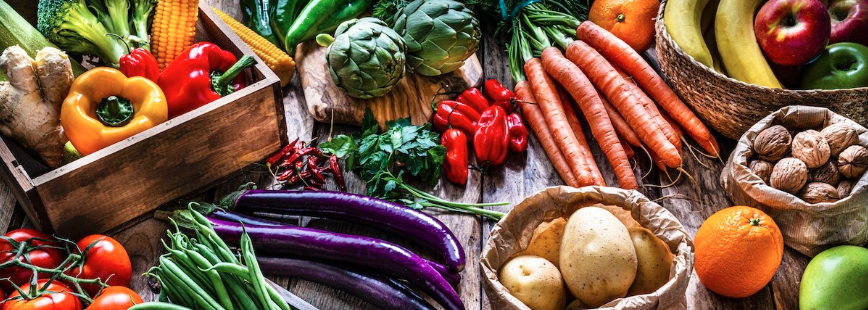
Whenever possible, choose organic produce. Organic fruits and vegetables generally have higher fiber content and more nutritional value. If you’re concerned about cost, focus on buying organic for items on the Dirty Dozen list (those with the highest pesticide residues), while opting for non-organic for items on the Clean 15 list, which tend to have lower pesticide levels. Educating yourself on these lists can help you make better, more cost-effective choices.
4. Watch for Hidden Sodium
One of the sneakiest ingredients in packaged foods is sodium. Many healthier-seeming substitutions (like low-fat sauces or pre-made meals) are loaded with sodium, which can cause bloating and weight gain. To avoid this, always read the label and don’t buy anything with more than 230 milligrams of sodium per serving. A low-sodium diet can make a noticeable difference in your overall health and how you feel.
5. Sugar: Don’t Let It Sneak In
Sugar is one of the biggest culprits that can derail a healthy eating plan. The key is to look at the ingredient list—never buy anything that has sugar listed in the first three ingredients. Ingredients are listed by quantity, so if sugar is one of the top ingredients, that product is likely full of it. This is especially important for things like yogurts and milks, which often contain unexpected sugar additives. Be mindful of the sugar content in these “healthy” items.
6. Chocolate: Stick to the Good Stuff
If you’re a chocolate lover, don’t worry—you don’t have to give it up! But you do need to choose wisely. Always opt for chocolate that is at least 70% cacao and all-natural, with no added sugars. Chocolate with a high cacao content can actually support weight loss and provide other health benefits, but only when it’s free of artificial ingredients.
Educating Yourself Is Key
The grocery store can be a minefield of unhealthy options disguised as “healthy” choices. It’s crucial to educate yourself on how to read labels, understand ingredient lists, and know which products are truly beneficial for your health. By making smarter choices at the store, you’ll be able to stick to your healthy recipes while avoiding ingredients that sabotage your goals.




 Gut Health Matters