When most people think of detox program like Clean 9 (C9), one of the most appealing side effects is weight loss. On average, participants lose 7-9 pounds with C9 while cleansing their bodies and boosting energy. But what if you’re not looking to lose weight?
That’s the situation a friend of mine faced. She wanted to experience the detox and rejuvenation benefits of C9 but couldn’t afford to lose any weight. Curious about a solution, I reached out to Dr. Olejnik, an expert in aloe vera and natural health. Her advice was both insightful and practical, and I believe it could help anyone in the same position.
How to Customize C9 for Non-Weight Loss Goals
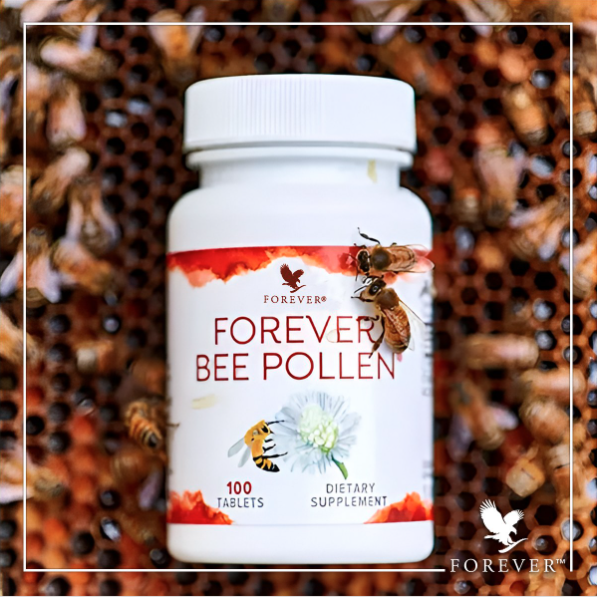
Dr. Olejnik suggested replacing Garcinia Plus with Bee Pollen for anyone who wants to detox without targeting weight loss.
Here’s why: • Bee Pollen is packed with vitamins, minerals, amino acids, and antioxidants. It nourishes the body, boosts energy, and supports digestion without suppressing appetite or promoting fat burning. • This adjustment lets you enjoy all the detoxifying and energizing benefits of C9 while maintaining your current weight.
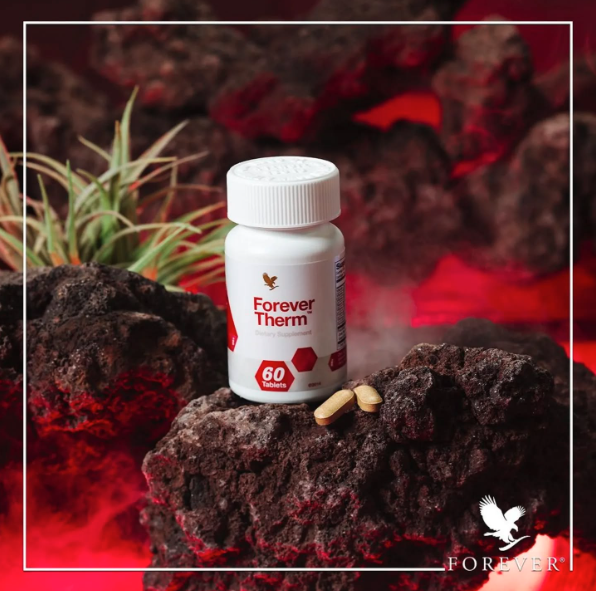
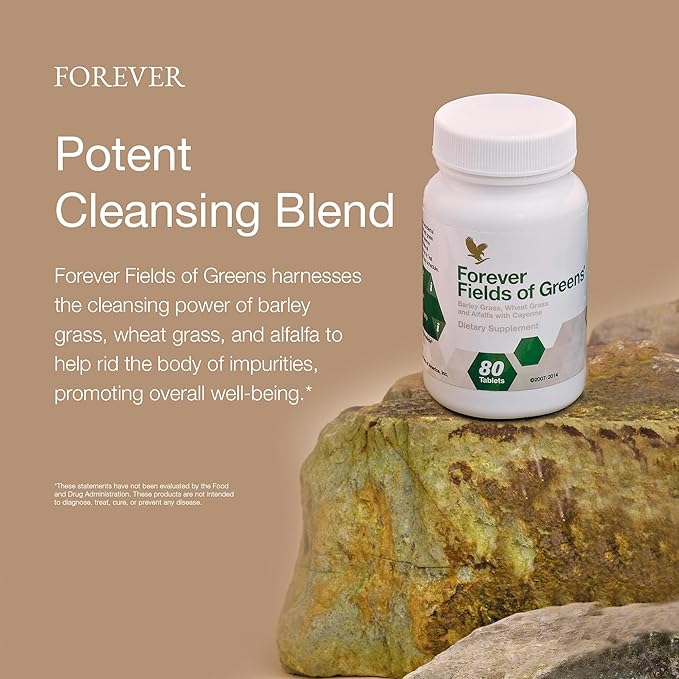
Dr. Olejnik also recommended replacing Therm with Fields of Greens.
Here’s why: • Fields of Greens delivers the power of natural greens like barley grass, alfalfa, and green vegetables to support digestion and energy levels. • It offers detox benefits without stimulating weight loss, making it a great alternative for those focused on wellness rather than shedding pounds.
A Flexible Approach to Detox
The natural detox C9 is an incredible program for cleansing the body, improving digestion, and boosting overall health. By making these simple substitutions, it can be tailored for those who want the detox benefits without the side effect of weight loss.
WEIGHT LOSS IS OPTIONAL, BUT CLEANSING YOUR BODY IS ESSENTIAL FOR TRUE WELLNESS.
Whether your goal is a full-body reset or a lighter, more energized feeling, these customizations make the programs work for everyone.
If you’ve been hesitant to try C9 because of concerns about losing weight, now you know there’s an option for you too. Detoxing is about more than just weight loss—it’s about giving your body the care it needs to feel its best.
Have you tried these adjustments? Or are you considering starting your detox journey? Let me know in the comments—I’d love to hear your thoughts!
Try It before You Buy It
GLOBAL DETOX STATRING 1/13/2025
Fill out the form below if you would like me to send you
It’s clear that the world is changing, and so is the way we think about health. More than ever, you and I are searching for holistic, functional, and natural solutions to well-being. This shift represents a growing awareness that true health goes beyond treating symptoms—it’s about addressing the root causes and nurturing our bodies with what they truly need.
A Paradigm Shift in Healthcare
For years, healthcare has been primarily focused on quick fixes and pharmaceutical interventions. But now, there’s an undeniable movement toward preventative care, root-cause analysis, and natural remedies. More people are realizing that sustainable health often starts with what we put into our bodies. Diet, lifestyle, and natural supplements are becoming essential components of long-term wellness.
Younger Generations Leading the Way
Interestingly, this shift is being driven, in part, by younger generations like Millennials and Gen Z. They are prioritizing clean eating, healthy diets, and natural products over processed alternatives. You and I may have noticed how they read labels, question ingredients, and search for holistic approaches to stay healthy in both body and mind.
But it doesn’t stop with food. Younger generations are also changing how we think about skincare and everyday products. They’re saying no to toxic chemicals in favor of healthier, safer alternatives. From chemical-free makeup to all-natural deodorants and biodegradable cleaning supplies, they’re demanding transparency and healthier options. These choices aren’t just about beauty or hygiene—they reflect a deeper commitment to taking care of themselves and the planet.
This generation isn’t satisfied with temporary solutions. They want natural, sustainable products that align with their values—and you and I can take a page from their book. Whether it’s swapping out our household cleaners for eco-friendly ones or choosing skincare with nourishing, non-toxic ingredients, these small changes can have a big impact on our health and well-being.
What Does This Mean for the Future?
The changes we’re seeing today are just the beginning. As more people embrace holistic approaches, the healthcare landscape is bound to evolve. We’ll likely see a greater emphasis on:
Functional Medicine
Functional medicine goes beyond diagnosing and prescribing—it’s about understanding the root causes of health challenges. Practitioners of functional medicine work to uncover how your genetics, environment, and lifestyle interact to influence your health. For example, instead of prescribing medication for high cholesterol, a functional medicine doctor may analyze your diet, stress levels, and even exposure to toxins. They then develop a personalized plan that may include whole foods, stress management techniques, and targeted supplements to restore balance naturally. This approach empowers you and me to take control of our health and prevent chronic conditions before they develop.
Preventative Care
The old saying “An ounce of prevention is worth a pound of cure” is more relevant than ever. Preventative care focuses on addressing small imbalances before they become major health problems. This includes everything from regular physical activity and nutrient-dense diets to mindfulness practices that reduce stress. For instance, instead of waiting for a diabetes diagnosis, more people are monitoring their insulin sensitivity, adding superfoods like turmeric or aloe vera to their diets, and adopting intermittent fasting to maintain healthy glucose levels. The shift to preventative care will reduce the burden on healthcare systems and help you and me enjoy longer, healthier lives.
Natural Solutions
The future of healthcare will also see a stronger emphasis on natural solutions. Products derived from plants, such as aloe vera, essential oils, and adaptogenic herbs, are becoming key players in managing health naturally. These solutions offer powerful benefits without the harsh side effects associated with synthetic drugs.
For example:
Aloe vera is known for its ability to soothe inflammation, support gut health, and promote skin regeneration.
Lycium (goji berry) and garlic each offer unique and complementary benefits. Lycium is a powerful antioxidant that supports eye health, boosts immunity, and enhances energy, while garlic promotes heart health, reduces inflammation, and strengthens the immune system. Together, they work to reduce inflammation, support overall wellness, and help the body adapt to various stressors.
Natural supplements that provide key nutrients, such as omega-3s, probiotics, and turmeric, are proving invaluable for preventing chronic inflammation and supporting overall well-being.
Natural solutions also extend to everyday essentials like skincare, haircare, and household products. Younger generations are swapping out their old products for cleaner alternatives, and we can do the same. From all-natural shampoos to fluoride-free toothpastes, these changes add up and reflect a broader movement toward sustainable health.
Why It Matters
This movement is about empowerment. You and I are taking charge of our health, educating ourselves, and making informed choices. It’s a shift away from reactive healthcare to proactive wellness. By focusing on natural solutions, we can find balance and vitality in a world that often feels overwhelming.
As we move forward, let’s embrace this change. Whether it’s through rethinking what’s on our plates, exploring the benefits of natural supplements, or simply taking time to listen to our bodies, the journey to wellness is one we all deserve to take.
Diabetes is a chronic condition characterized by the body’s inability to regulate blood sugar levels effectively due to insufficient insulin production or insulin resistance. This imbalance leads to elevated blood glucose levels and, over time, can cause serious complications if left unmanaged. The statistics surrounding diabetes are alarmingly high, with the number of new diagnoses rising sharply each year. In Poland alone, over 3 million people are currently living with diabetes, a figure that includes both Type 1 and Type 2 diabetes.
Understanding Diabetes
Diabetes manifests in two primary forms:
Type 1 Diabetes: An autoimmune condition where the body’s immune system attacks insulin-producing cells in the pancreas. This form of diabetes usually develops in younger individuals and requires lifelong insulin therapy.
Type 2 Diabetes: This is the more common type, accounting for about 90% of diabetes cases. It is often associated with lifestyle factors such as poor diet, lack of physical activity, and chronic stress. Type 2 diabetes is characterized by insulin resistance, where the body’s cells become less responsive to insulin, leading to high blood sugar levels. Over time, the pancreas becomes overwhelmed and produces less insulin.
The Silent Signs of Diabetes
Diabetes can often develop silently, showing few obvious symptoms in its early stages. Many people may not realize they have diabetes until they experience significant weight gain, fatigue shortly after meals, or intense cravings for sugary foods, especially under stress. These signs could be an early indication of diabetes.
Scientific Insights
Several studies have highlighted the effectiveness of aloe vera in managing blood sugar levels:
A Study in Phytotherapy Research found that aloe vera gel could significantly lower fasting blood glucose levels and improve HbA1c levels in people with Type 2 diabetes.
Research Published in Journal of Diabetes Research indicated that aloe vera might enhance insulin sensitivity and regulate glucose metabolism, contributing to better glycemic control.
The Role of Aloe Vera in Diabetes Management
Aloe vera has been recognized for its medicinal properties since ancient times, and modern research supports its potential benefits for managing diabetes. The plant’s gel contains compounds that have demonstrated hypoglycemic (blood sugar-lowering) effects.
Aloe vera works through several mechanisms:
Regulating Insulin Production: Aloe vera contains zinc and manganese, which, in combination with Vitamin B6, support pancreatic function and insulin production.
Improving Digestive Health: Aloe vera promotes healthy digestion and can aid in the removal of toxins from the body, which is beneficial for individuals managing diabetes.
Supporting Overall Health: Regular consumption of aloe vera can improve kidney function, boost liver health, and strengthen the immune system. This holistic approach is crucial for individuals with diabetes who are often at risk of various health complications.
How to Incorporate Aloe Vera
For effective results, consume 5-15 ml of aloe vera gel daily. Ensure the aloe vera product is purified and free from compounds that could cause digestive issues, such as aloin. Aloe vera is a natural, safe option with no known side effects, but it’s essential to use it as part of a balanced approach to diabetes management that includes a healthy diet and regular physical activity.
If you are looking for more information on managing glucose levels, you may find these articles helpful:
As we observe World Diabetes Day, it’s crucial to address the growing prevalence of this condition and explore all available resources for better management. Aloe vera stands out as a valuable natural remedy, offering support for blood sugar regulation and overall health improvement. Incorporating aloe vera into your daily routine may provide significant benefits, but always remember to maintain a comprehensive approach to diabetes care.
Explore our store for high-quality aloe vera products and take proactive steps towards better health. Your well-being is worth the investment!
Here are some references and studies that support the benefits of aloe vera for diabetes management:
Aloe Vera and Diabetes: An Overview of the Evidence
Source: Phytotherapy Research
Reference: K. M. M. Rajendran et al., “Antidiabetic and antioxidant potential of Aloe vera in streptozotocin-induced diabetic rats,” Phytotherapy Research, 2016.
Effects of Aloe Vera on Glycemic Control and Lipid Profile
Source: Journal of Clinical Biochemistry and Nutrition
Reference: S. A. B. J. Akhavan et al., “The effects of Aloe vera gel on fasting blood glucose, hemoglobin A1c, and lipid profile in type 2 diabetes patients: A randomized controlled trial,” Journal of Clinical Biochemistry and Nutrition, 2014.
Reference: A. L. W. V. N. S. W. D. P. Zain et al., “Historical uses and current applications of Aloe vera in traditional medicine: A review,” Journal of Ethnopharmacology, 2013.
Reference: A. K. J. Singh et al., “Aloe vera in the management of type 2 diabetes mellitus: A systematic review and meta-analysis,” Diabetes Research and Clinical Practice, 2014.
In today’s world, “detox” is everywhere—on blogs, social media, and in advertisements for products that promise to cleanse the body and restore balance. For some, it’s just a passing trend. For others, it’s an essential path to better health. But is detox really just a fad, or is it a critical necessity in a world filled with toxins? Let’s dive into why detoxification is becoming increasingly important.
Modern Diseases Fueled by Toxins
We live in an era where our bodies are constantly bombarded with harmful substances. The air we breathe, the food we eat, and the water we drink are all contaminated with toxins. Pesticides, herbicides, heavy metals, artificial additives, and even medications accumulate in our systems over time. These substances are not just harmless irritants—they can be the root cause of many modern diseases, often referred to as “civilization diseases.”
Chronic conditions such as autoimmune diseases, heart disease, diabetes, and even certain cancers are all linked to the toxic load our bodies carry. Let’s take a look at some of the major contributors:
Pesticides and Herbicides: Found in conventionally grown fruits and vegetables, these chemicals are linked to hormone disruption, neurological issues, and increased cancer risk.
Processed Foods and Sugar: Highly processed foods filled with sugar and unhealthy fats trigger inflammation, insulin resistance, and lead to conditions like obesity and type 2 diabetes.
Heavy Metals: Substances like mercury, lead, and arsenic can accumulate in the body over time, affecting brain function, cardiovascular health, and increasing the risk of neurological disorders.
Medications: While medications are necessary for treating certain conditions, overuse and long-term exposure can strain the liver, kidneys, and digestive system.
Why Detoxification Is Vital for Health
Our bodies have natural detoxification systems—our liver, kidneys, lungs, and skin work tirelessly to eliminate waste and harmful substances. However, in today’s toxin-heavy world, these organs can become overwhelmed. Over time, this toxic buildup can impair their functioning and lead to health complications. This is where detox programs come into play.
A well-structured detox isn’t about starving the body or following extreme diets. It’s about supporting and enhancing the body’s natural detoxification processes, giving it the boost it needs to eliminate toxins more effectively.
Benefits of Detoxification
Boosted Energy Levels: By removing toxic burdens, your body can function more efficiently, leaving you feeling more energetic.
Improved Digestion: Detoxing helps the digestive system by eliminating processed foods and allowing your gut to reset, which can improve nutrient absorption and reduce bloating.
Clearer Skin: Many skin issues, including acne and rashes, can be linked to toxin overload. A detox can lead to clearer, more radiant skin.
Better Mental Clarity: Toxins can affect brain function, leading to brain fog and poor concentration. Detoxing can help sharpen mental clarity and focus.
Reduced Inflammation: Many chronic diseases are linked to inflammation caused by toxins. Detoxing helps lower inflammation in the body, reducing the risk of disease.
Is Detox Just a Trend?
Detoxing may be a popular concept, but it’s far from just a trend. With the rise in modern diseases, many of which are linked to lifestyle choices and environmental factors, detoxification is increasingly seen as a vital tool for maintaining long-term health.
It’s not about following the latest detox fad but about understanding the science behind cleansing the body and making informed, sustainable choices for your health. Whether it’s through a program like Clean 9 or simply adopting healthier habits like drinking more water, eating organic, and reducing processed food intake, detoxing can be an effective way to safeguard your body against the overwhelming number of toxins we face today.
Take Charge of Your Health
In a world filled with toxins, detoxification is more than just a health trend—it’s a necessity. If you’re ready to take charge of your health and learn more about detoxification, feel free to reach out. Together, we can help you create a personalized plan to cleanse your body and boost your wellbeing.
Get Your Gift
Fill out this form to receive your gift:
– my E-Book with 600 kcal meal recipes for group detox –
















 Gut Health Matters