
With so many brands marketing aloe vera products, it can be overwhelming to determine which ones offer the true benefits of pure aloe vera gel. The term “aloe vera gel” is often used loosely, but not all products are created equal. This post will guide you through the key factors to consider and how to avoid being misled by tricky labeling and deceptive marketing.
Don’t Be Fooled by “Aloe Vera Juice” vs. “Aloe Vera Gel”
One common tactic some companies use is labeling a product as “aloe vera gel” when it actually contains aloe vera juice. Aloe vera juice is often made by diluting the gel with water, significantly reducing its concentration and effectiveness. For example, a product may claim to contain “99% organic aloe vera juice” but still market it as gel. In reality, thickening agents are often added to mimic the consistency of real aloe vera gel, making the product seem more authentic than it is.
The key takeaway here is to read the ingredient list carefully. Look for aloe vera gel, not juice, as the primary ingredient. A true aloe vera gel should list Aloe Barbadensis Leaf Gel as the main component, with minimal additives typically used for preservation.

Look for Products That Specify “Inner Leaf Aloe Vera Gel”
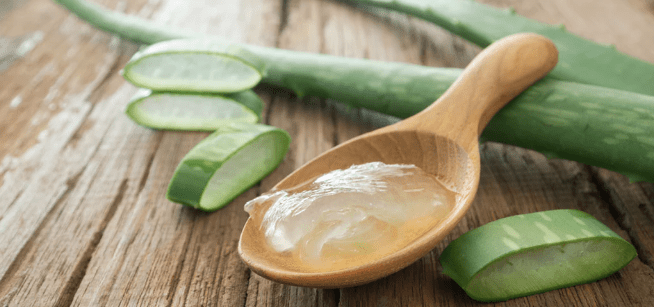
When choosing the best aloe vera gel, another important distinction is whether the product uses the inner leaf of the plant. The inner leaf contains the purest and most potent form of aloe gel, known for its superior healing and soothing properties.
Some companies go the extra mile by extracting only the inner leaf gel, ensuring a higher-quality product. However, other manufacturers may grind the whole leaf, including the outer part, which contains unwanted compounds like aloin. These impurities are removed later, but the process is less efficient. For the purest and safest form of aloe vera, choose products that specifically use inner leaf aloe gel.
Ingredient Transparency is Key
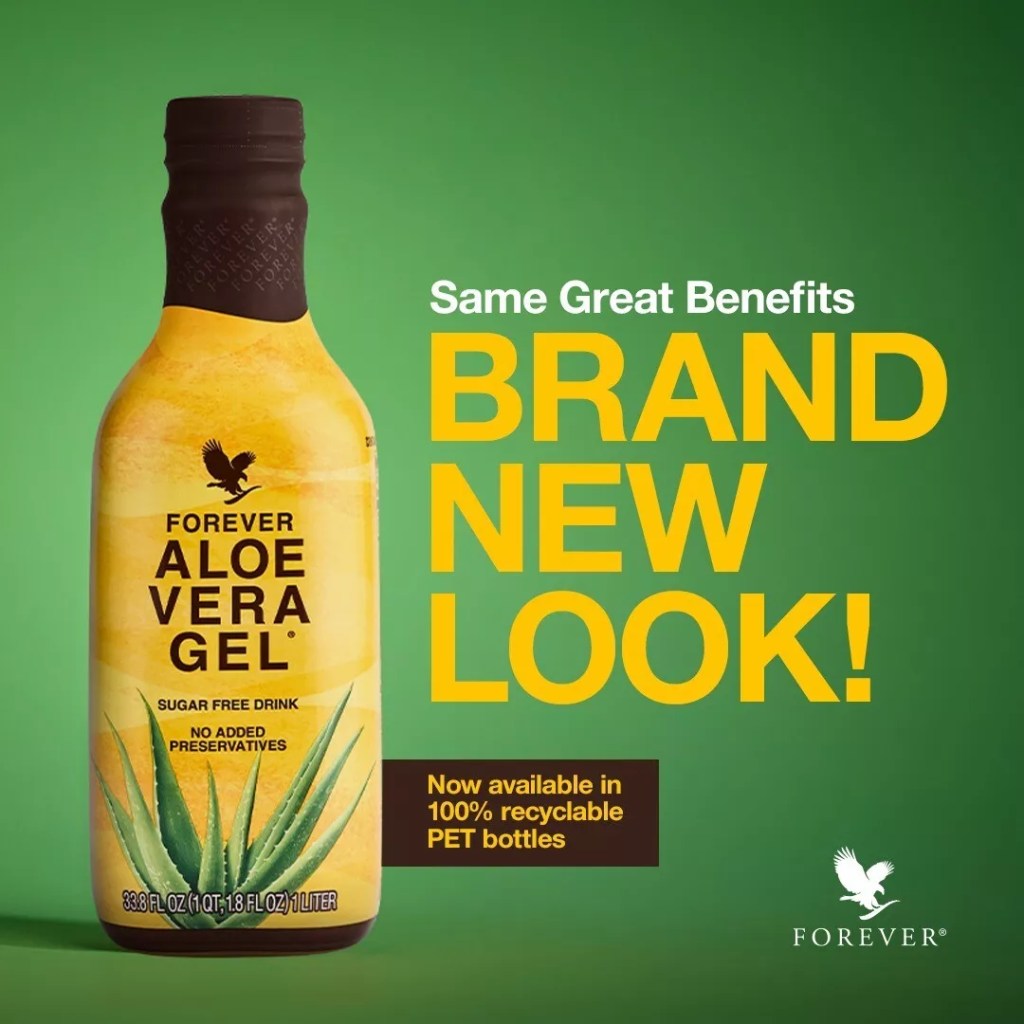
Be cautious of products with vague or deceptive labeling. It’s not uncommon for companies to boast that their product “contains aloe vera,” without specifying how much of it is genuine aloe gel. If the ingredient list contains a long list of thickening agents, and artificial preservatives, it’s a red flag. These unnecessary fillers dilute the aloe vera and reduce its effectiveness.
When checking the ingredients, here’s what you should look for:
- Aloe Barbadensis Leaf Juice or Gel should be the first ingredient.
- Minimal Additives: A high-quality aloe vera gel may contain a natural preservative like citric acid or ascorbic acid, but it should not have unnecessary fillers.
Look for Certifications
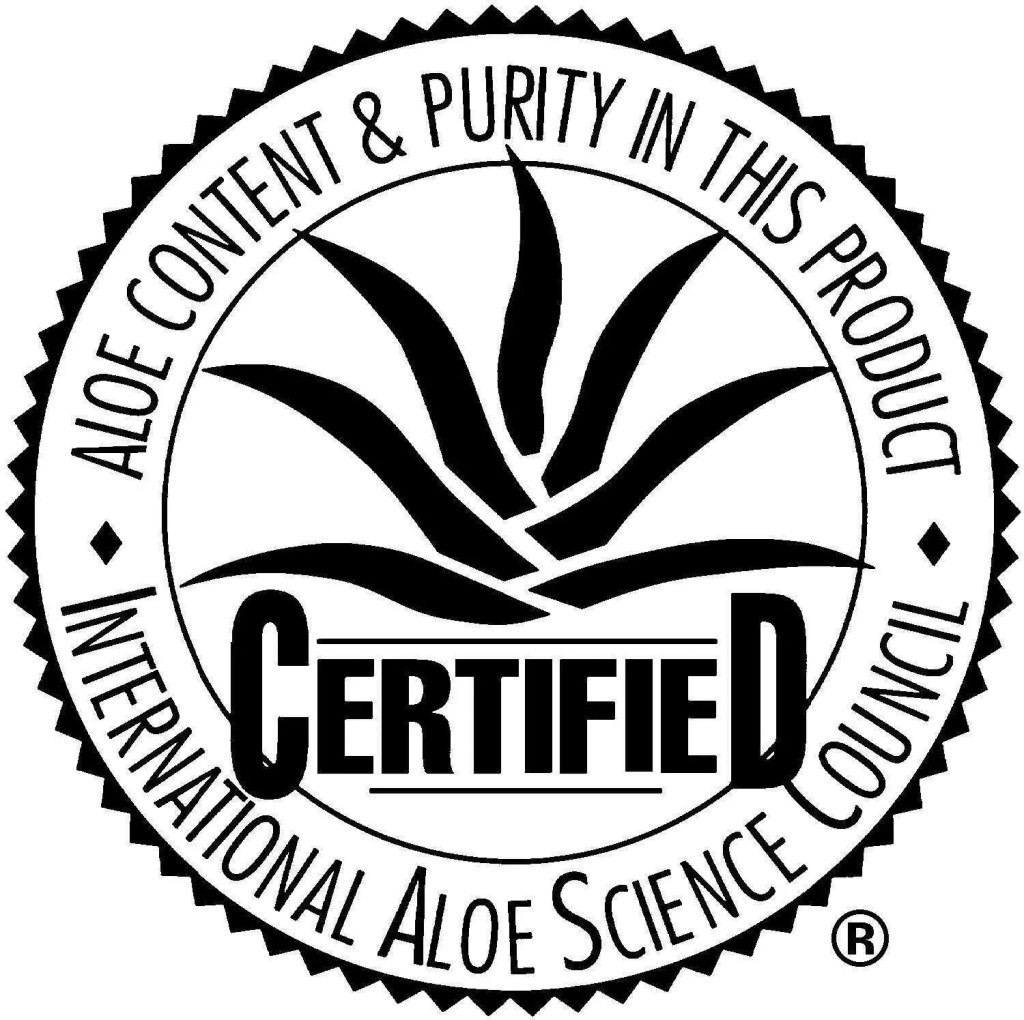
Certifications from credible organizations like the International Aloe Science Council (IASC) can help you verify a product’s purity and efficacy. These certifications ensure that the product meets strict quality standards, so always check for such seals to avoid falling for deceptive products.
The Importance of Understanding Labels and Why Regulatory Differences Matter
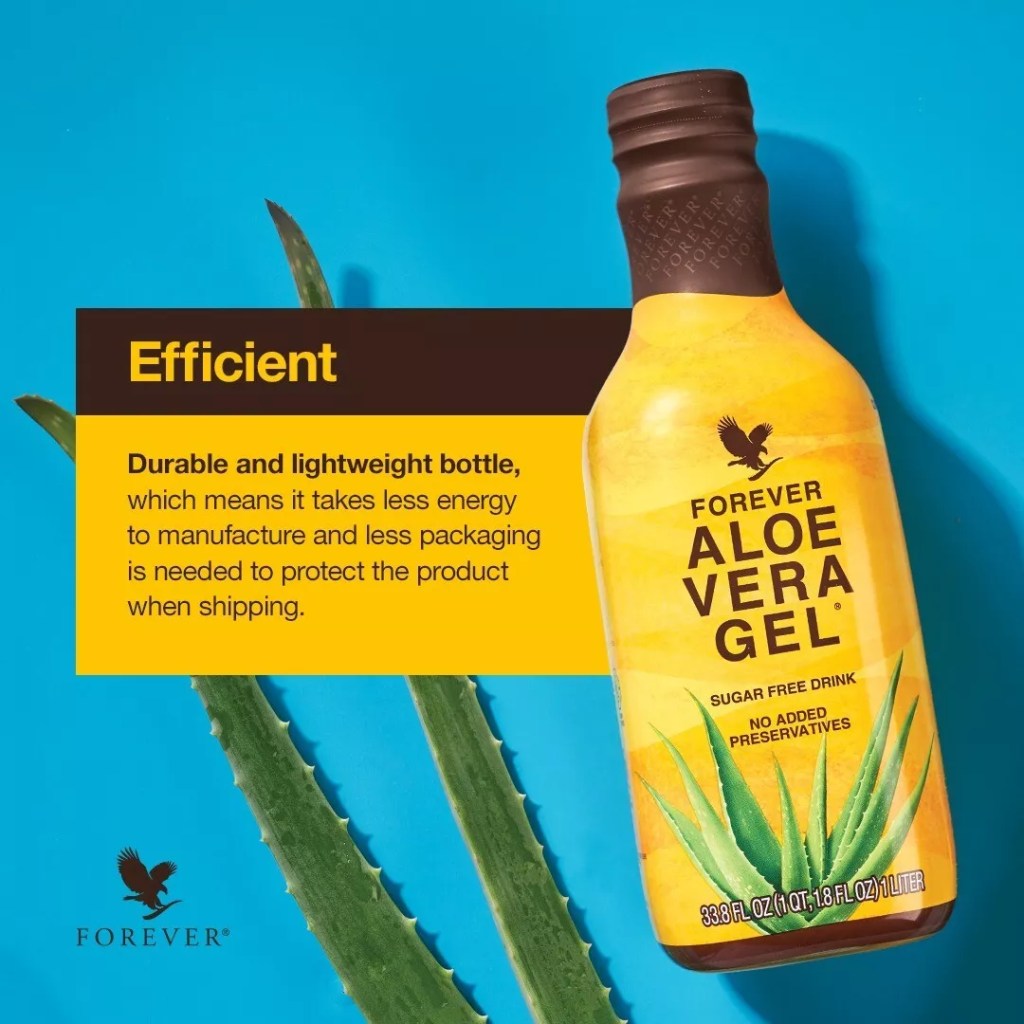
Understanding the difference between nutritional labels and supplement labels is crucial because these regulatory differences directly affect product quality. Products with nutritional labels are required to undergo stricter testing and provide a detailed ingredient breakdown. This gives you confidence that you’re purchasing a purer, more effective product.
- Nutritional Labels: Found on food and beverage products, nutritional labels offer transparency about the contents and purity of the product. Products like those containing 99.7% inner leaf aloe vera gel typically have these labels, providing clear information about their composition.
- Supplement Labels: These labels, found on health supplements, offer more flexibility to manufacturers and are not as strictly regulated. This means companies can use fillers and additives without fully disclosing the true content of the product, which can dilute the effectiveness of aloe vera.
By recognizing these regulatory differences, you can better evaluate the quality of the aloe vera gel you’re buying and avoid products with unnecessary additives.
Why This Matters
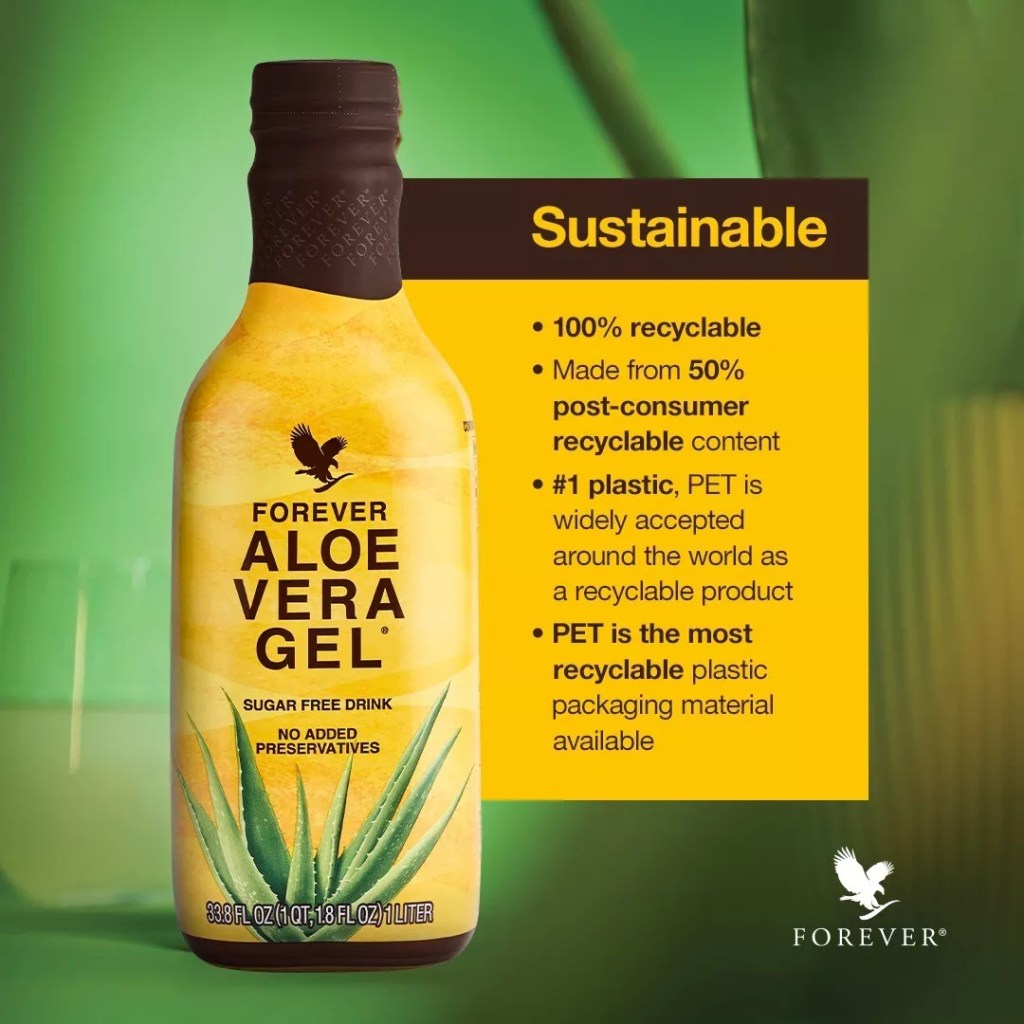
Aloe vera is known for its healing and soothing properties, especially for skin and digestive health. However, only high-quality, minimally processed aloe vera gel will deliver these benefits. Products that are diluted with water or filled with additives won’t provide the same results and could lead to disappointment.
Get Your Gift
Fill out this form to receive your gift:
– my E-Book with healthy meals for IR –
Thank you for your response. ✨

Conclusion: Don’t Be Misled by Clever Marketing
Finding the best aloe vera gel requires attention to detail, but it’s worth the effort. Understanding the differences between nutritional and supplement labels, reading the ingredient list carefully, and looking for reputable certifications can help you avoid being misled by marketing claims. Always choose products with high percentages of inner leaf aloe vera gel and minimal additives to ensure you’re getting the best product for your health and make sure the nutritional (not supplement) label has been provided.
Remember, just because a product says “aloe vera” on the label doesn’t mean it’s pure. Take the time to research, and don’t be swayed by flashy packaging. By following these guidelines, you’ll be able to enjoy the full benefits of true aloe vera gel.


 Gut Health Matters