Have you ever found yourself reaching for a bottle of pills instead of thinking about what you could have done to prevent getting sick in the first place? I know I have. It’s a common scenario that many of us face, and it made me wonder why we, as Americans, often prefer medicine over prevention.

When I dug into this topic, I realized that our healthcare system is largely to blame. You see, the way the system is structured, it’s easier and often cheaper for you to get treatment once you’re already sick than to invest in preventive care. Insurance companies are more likely to cover medications and surgeries than to pay for gym memberships or nutrition counseling. This makes it convenient for you and me to opt for medication when something goes wrong, instead of thinking about how we could have avoided it in the first place.
Another factor that plays a significant role is our cultural norms. We live in a society that values quick fixes and instant gratification. It’s much more appealing to take a pill and feel better almost immediately than to commit to a long-term lifestyle change that requires effort and patience. I know how tempting it can be to choose the easy route, but this mindset keeps us dependent on medications and reactive healthcare.
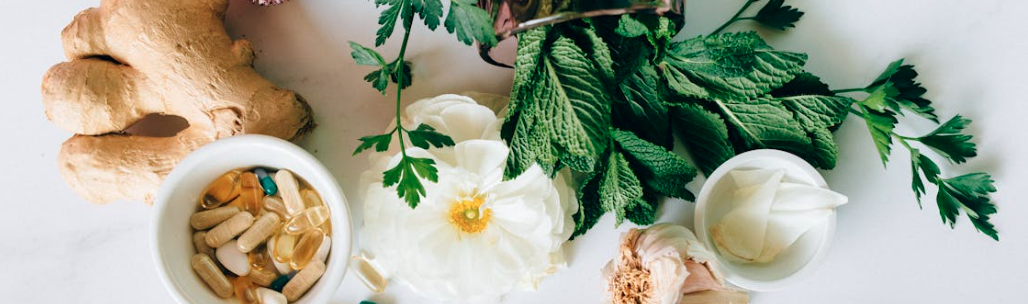
Education, or rather the lack of it, is also a big part of the problem. Many of us simply aren’t taught the importance of preventive care. When was the last time you had a doctor talk to you in-depth about the benefits of a healthy diet, regular exercise, or routine screenings? For many, it’s rare. This lack of emphasis on prevention leaves you and me with limited knowledge and tools to take proactive steps in managing our health.
The influence of the pharmaceutical industry can’t be ignored either. We’re constantly bombarded with advertisements that promise relief in the form of a pill. These messages can be persuasive, making us believe that medication is the best solution. It’s no wonder you might feel inclined to choose medicine when you’re feeling unwell – the marketing is designed to make you think that way.
Access to resources is another crucial element. For some people, especially those in lower socioeconomic brackets, access to preventive care is limited. Healthy food can be expensive, gym memberships can feel like a luxury, and even finding time to exercise can be a challenge if you’re working multiple jobs to make ends meet. In these cases, turning to medicine might seem like the only viable option.
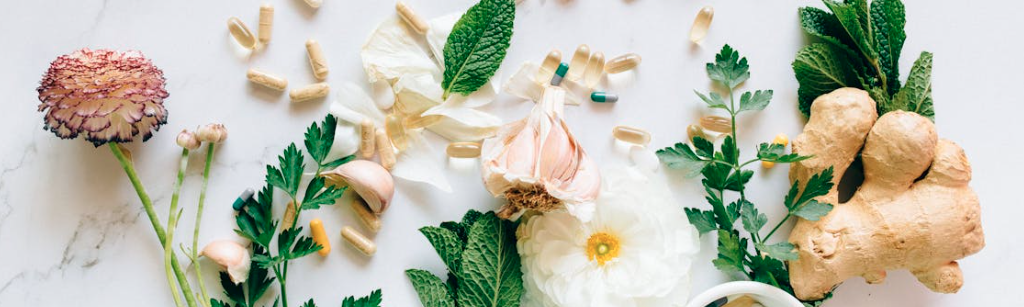
HOW CAN WE CHANGE THAT?
So, what can we do to change this pattern? It starts with small steps. You can begin by educating yourself about the benefits of preventive care. Make an effort to incorporate healthy habits into your daily routine, even if it’s just a short walk or swapping out a sugary snack for a piece of fruit. Talk to your healthcare provider about preventive measures and ask questions about what you can do to stay healthy.
I’m also making a conscious effort to prioritize prevention in my life. I’ve started setting aside time for exercise, paying more attention to my diet, completing natural cleanses regularly, and scheduling regular check-ups. It’s not always easy, and it requires a shift in mindset, but the benefits are worth it. Together, we can move towards a culture that values prevention just as much as treatment.



Let’s start today. Let’s take control of our health not just by reaching for medicine when we’re sick, but by embracing prevention to keep us well.

Do you have any questions or would like to connect?





 Gut Health Matters