If you’ve ever wondered whether Forever Living Products are FDA approved, you’re not alone. It’s one of the most common questions I get—and the short answer might surprise you: No, they aren’t. But that’s not a bad thing.
Let’s clear this up once and for all.
The Truth About Supplements and the FDA
The FDA (Food and Drug Administration) does not approve dietary supplements before they go on the market. That’s not just Forever—it’s all supplement companies. Why? Because supplements are regulated as foods, not drugs.
That means while prescription medications require FDA approval, products like aloe vera gel, vitamins, and herbal blends are only regulated, not approved. Companies are responsible for ensuring their products are safe, accurately labeled, and manufactured under strict guidelines.
So what makes Forever Living stand out?
Why I Trust Forever Living—and You Can Too
Here’s what gives me confidence in recommending and using Forever’s products:
They own their entire supply chain
From planting aloe on their own farms to processing and packaging—Forever controls every single step. That’s rare in this industry, where most companies outsource production and lose visibility over what goes into their products.
They follow Good Manufacturing Practices (GMPs)
GMPs are high-level production standards—similar to what’s used in pharmaceutical manufacturing. Forever is certified in this area, showing they don’t take shortcuts when it comes to safety and quality.
They hold credible third-party certifications
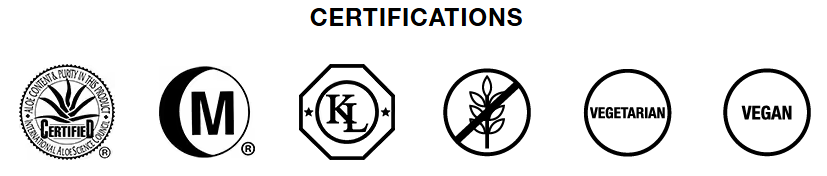
Forever’s products are certified by: • The International Aloe Science Council • Kosher and Halal certification boards • Leaping Bunny (cruelty-free)
These certifications require regular testing, transparency, and strict adherence to quality standards.
They provide full ingredient disclosure
You’ll always know exactly what’s in each product—no shady “proprietary blends” or hidden additives. While they don’t release individual lab reports to the public, their ongoing certifications speak volumes.
They’ve been around for over 40 years
Operating in more than 150 countries, Forever Living has built a reputation of trust that spans decades. A legacy like that doesn’t happen by cutting corners.
So, Are Forever Living Products FDA Approved?
No—and that’s perfectly normal. What matters is that they are FDA regulated and go above and beyond industry standards to ensure safety, purity, and consistency.
If you’re someone who likes to know exactly what you’re putting into your body—and you want natural products made with integrity—you’re in good hands with Forever.
It’s clear that the world is changing, and so is the way we think about health. More than ever, you and I are searching for holistic, functional, and natural solutions to well-being. This shift represents a growing awareness that true health goes beyond treating symptoms—it’s about addressing the root causes and nurturing our bodies with what they truly need.
A Paradigm Shift in Healthcare
For years, healthcare has been primarily focused on quick fixes and pharmaceutical interventions. But now, there’s an undeniable movement toward preventative care, root-cause analysis, and natural remedies. More people are realizing that sustainable health often starts with what we put into our bodies. Diet, lifestyle, and natural supplements are becoming essential components of long-term wellness.
Younger Generations Leading the Way
Interestingly, this shift is being driven, in part, by younger generations like Millennials and Gen Z. They are prioritizing clean eating, healthy diets, and natural products over processed alternatives. You and I may have noticed how they read labels, question ingredients, and search for holistic approaches to stay healthy in both body and mind.
But it doesn’t stop with food. Younger generations are also changing how we think about skincare and everyday products. They’re saying no to toxic chemicals in favor of healthier, safer alternatives. From chemical-free makeup to all-natural deodorants and biodegradable cleaning supplies, they’re demanding transparency and healthier options. These choices aren’t just about beauty or hygiene—they reflect a deeper commitment to taking care of themselves and the planet.
This generation isn’t satisfied with temporary solutions. They want natural, sustainable products that align with their values—and you and I can take a page from their book. Whether it’s swapping out our household cleaners for eco-friendly ones or choosing skincare with nourishing, non-toxic ingredients, these small changes can have a big impact on our health and well-being.
What Does This Mean for the Future?
The changes we’re seeing today are just the beginning. As more people embrace holistic approaches, the healthcare landscape is bound to evolve. We’ll likely see a greater emphasis on:
Functional Medicine
Functional medicine goes beyond diagnosing and prescribing—it’s about understanding the root causes of health challenges. Practitioners of functional medicine work to uncover how your genetics, environment, and lifestyle interact to influence your health. For example, instead of prescribing medication for high cholesterol, a functional medicine doctor may analyze your diet, stress levels, and even exposure to toxins. They then develop a personalized plan that may include whole foods, stress management techniques, and targeted supplements to restore balance naturally. This approach empowers you and me to take control of our health and prevent chronic conditions before they develop.
Preventative Care
The old saying “An ounce of prevention is worth a pound of cure” is more relevant than ever. Preventative care focuses on addressing small imbalances before they become major health problems. This includes everything from regular physical activity and nutrient-dense diets to mindfulness practices that reduce stress. For instance, instead of waiting for a diabetes diagnosis, more people are monitoring their insulin sensitivity, adding superfoods like turmeric or aloe vera to their diets, and adopting intermittent fasting to maintain healthy glucose levels. The shift to preventative care will reduce the burden on healthcare systems and help you and me enjoy longer, healthier lives.
Natural Solutions
The future of healthcare will also see a stronger emphasis on natural solutions. Products derived from plants, such as aloe vera, essential oils, and adaptogenic herbs, are becoming key players in managing health naturally. These solutions offer powerful benefits without the harsh side effects associated with synthetic drugs.
For example:
Aloe vera is known for its ability to soothe inflammation, support gut health, and promote skin regeneration.
Lycium (goji berry) and garlic each offer unique and complementary benefits. Lycium is a powerful antioxidant that supports eye health, boosts immunity, and enhances energy, while garlic promotes heart health, reduces inflammation, and strengthens the immune system. Together, they work to reduce inflammation, support overall wellness, and help the body adapt to various stressors.
Natural supplements that provide key nutrients, such as omega-3s, probiotics, and turmeric, are proving invaluable for preventing chronic inflammation and supporting overall well-being.
Natural solutions also extend to everyday essentials like skincare, haircare, and household products. Younger generations are swapping out their old products for cleaner alternatives, and we can do the same. From all-natural shampoos to fluoride-free toothpastes, these changes add up and reflect a broader movement toward sustainable health.
Why It Matters
This movement is about empowerment. You and I are taking charge of our health, educating ourselves, and making informed choices. It’s a shift away from reactive healthcare to proactive wellness. By focusing on natural solutions, we can find balance and vitality in a world that often feels overwhelming.
As we move forward, let’s embrace this change. Whether it’s through rethinking what’s on our plates, exploring the benefits of natural supplements, or simply taking time to listen to our bodies, the journey to wellness is one we all deserve to take.
Insulin resistance (IR) and type 2 diabetes are often viewed as irreversible conditions, but numerous experts and doctors have shown that with the right nutrition and lifestyle adjustments, they can indeed be managed, and even reversed. Dr. Sten Ekberg, Dr. Casey Means, and Dr. Elżbieta Olejnik are among those who emphasize this message, each offering unique insights into how individuals can take control of their health.
The Truth About Insulin Resistance and Type 2 Diabetes
In modern society, many have come to accept insulin resistance or type 2 diabetes as lifelong burdens. Yet, according to Dr. Sten Ekberg, a former Olympic decathlete and holistic doctor, insulin resistance is not only preventable but also reversible. Dr. Ekberg stresses the role of processed foods and sugars in contributing to these conditions. He advocates for reducing refined carbohydrates and sugars, which overload the body with glucose, leading to insulin resistance.
Dr. Casey Means, co-founder of the health company Levels and a strong advocate for metabolic health, agrees. She has pointed out that improving insulin sensitivity through whole-food, plant-based diets and consistent exercise can lead to remarkable improvements in glucose regulation. In her book Good Energy: A Path to Vitality and Health, she provides evidence that a balanced diet rich in fiber, healthy fats, and lean proteins is key to reversing the effects of type 2 diabetes.
The Power of Aloe Vera in Managing Blood Sugar
Dr. Elżbieta Olejnik, a PhD in biochemistry, shares a similar perspective, particularly on the benefits of natural remedies. She has been studying aloe vera for over 30 years, focusing on how it affects the human body when consumed. Dr. Olejnik recommends drinking aloe vera gel, which has shown promising properties in regulating blood sugar levels. Aloe vera contains compounds like glucomannan, a dietary fiber that helps reduce blood glucose. By incorporating aloe vera gel into daily routines, along with a balanced diet, individuals may see improvements in their glucose control.
Get your aloe vera gel:
Lifestyle Adjustments: The Key to Change
It’s important to remember that while these experts share a wealth of knowledge, none of them claim to “cure” insulin resistance or type 2 diabetes. However, they strongly advocate for dietary and lifestyle changes as a means of improving health outcomes.
As Dr. Ekberg often says, “You can’t out-medicate a bad diet.”
Adjusting your lifestyle can be a far more powerful intervention than medications alone.
Dr. Means encourages daily practices that promote metabolic health, such as intermittent fasting, regular physical activity, and managing stress. She stresses the importance of avoiding prolonged spikes in blood sugar levels by prioritizing whole foods over processed alternatives.
The Question: Why Do We Accept These Conditions?
Despite these actionable strategies, many people still accept insulin resistance and type 2 diabetes as inevitable parts of life. This acceptance is often rooted in misinformation, lack of education, or the overwhelming nature of making lifestyle changes. However, as these doctors have shown, taking small, consistent steps toward healthier choices can result in significant improvements.
If you are struggling with insulin resistance or type 2 diabetes, it’s not too late to start making changes. As these experts have demonstrated, you don’t have to accept these conditions. Your body is resilient, and with the right nutrition, exercise, and mindset, you can take control of your health and move toward a life free from the burdens of chronic disease.
We encourage you to explore more about holistic approaches to reversing insulin resistance. Begin with simple steps, such as incorporating more whole foods, drinking aloe vera juice, and finding daily opportunities to move. Remember, you cannot treat or cure these conditions through diet alone, but you can significantly improve your quality of life.
As summer draws to a close, it’s the perfect time to start on a transformative journey with our Clean9 Challenge, starting September 9th. While many people associate detox programs with weight loss, Clean9 offers a range of profound health benefits that go far beyond the scale. Let’s explore how Clean9 can positively impact your overall health, with a special focus on inflammation, insulin resistance, and more.
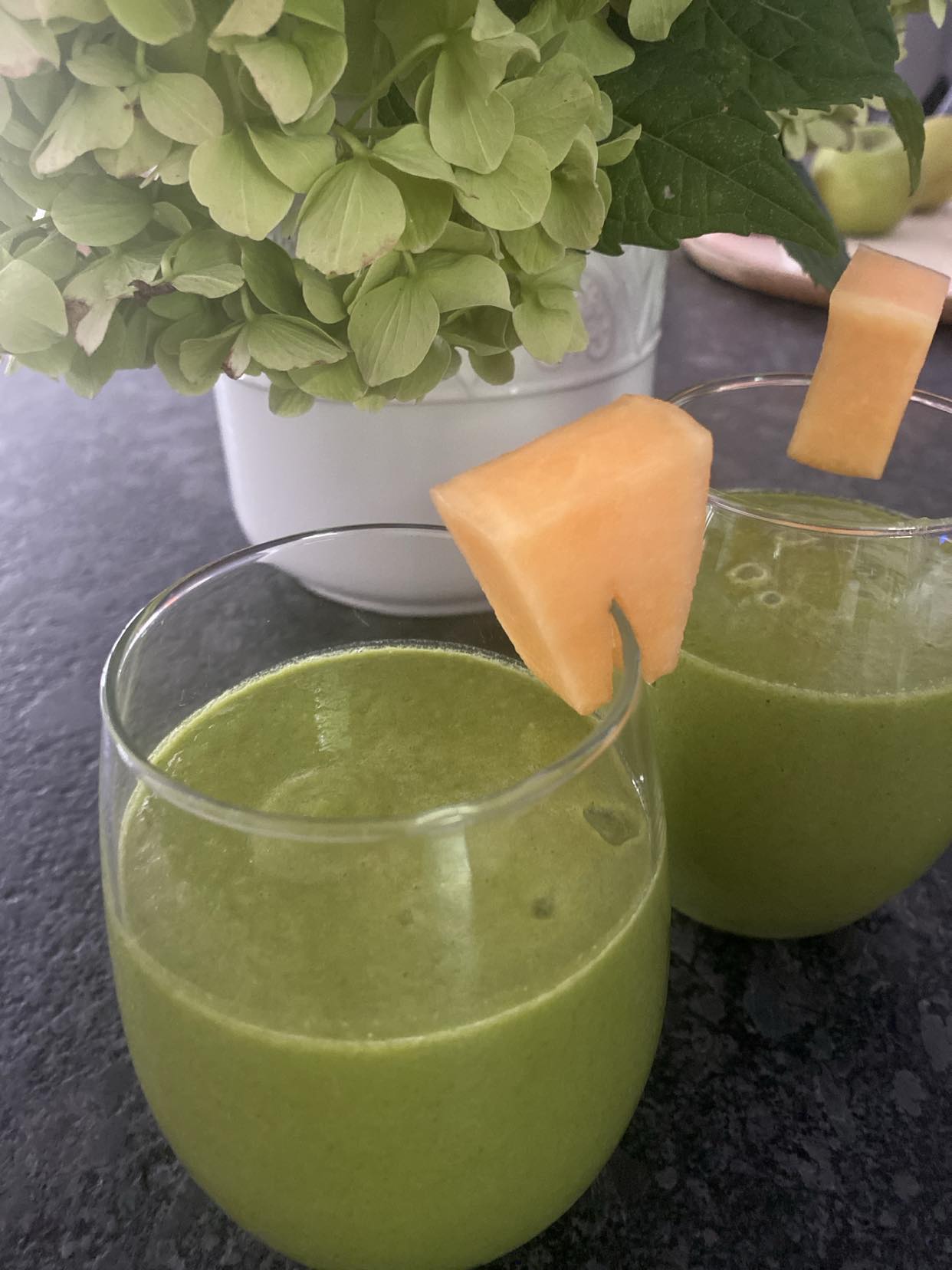
CANTALOUPE GINGERTHE REFRESHERCOOL AS A CUCUMBER
1. Reducing Inflammation
Chronic inflammation is linked to various health issues, including heart disease, arthritis, and autoimmune disorders. One of the standout benefits of Clean9 is its potential to help reduce inflammation. By eliminating processed foods, sugars, and toxins from your diet, Clean9 supports the body’s natural ability to lower inflammatory markers. Studies have shown that detox diets can lead to significant reductions in inflammatory markers such as C-reactive protein (CRP) [1].
2. Improving Insulin Sensitivity
Insulin resistance is a growing concern, especially with rising rates of type 2 diabetes and metabolic syndrome. Clean9’s detox process can aid in improving insulin sensitivity by promoting a balanced diet and reducing sugar intake. Research indicates that detox diets can help improve insulin sensitivity and glycemic control, which is crucial for managing blood sugar levels [2][3].
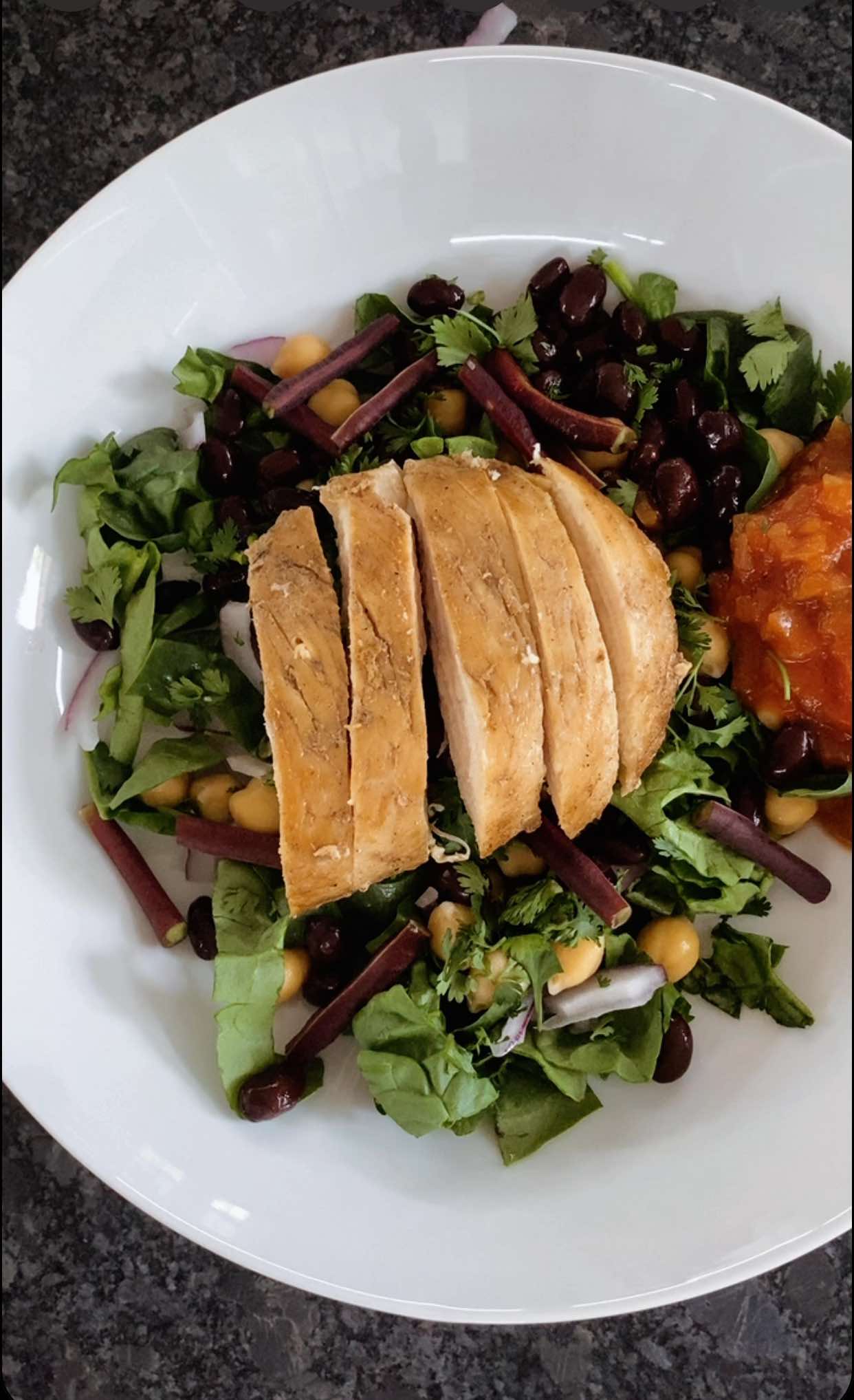
SESAME CHICKENBURRITO BOWLCHICKEN BURRITO SALAD
3. Boosting Energy Levels
If you’ve been feeling sluggish or fatigued, Clean9 could be the boost you need. Participants often report increased energy levels and enhanced vitality after completing the program. This boost in energy is often attributed to the improved nutrient absorption and reduced toxic burden on the body. A cleaner diet can help restore energy levels and combat fatigue [4].
4. Enhancing Digestive Health
Digestive health is crucial for overall well-being, and Clean9 can significantly benefit your gut. The program supports better digestion and nutrient absorption by encouraging a diet rich in whole, natural foods. Improved digestion often results in fewer digestive issues and a healthier gut environment. Research has shown that detox diets can improve gut health by reducing gut inflammation and promoting beneficial gut microbiota [5].
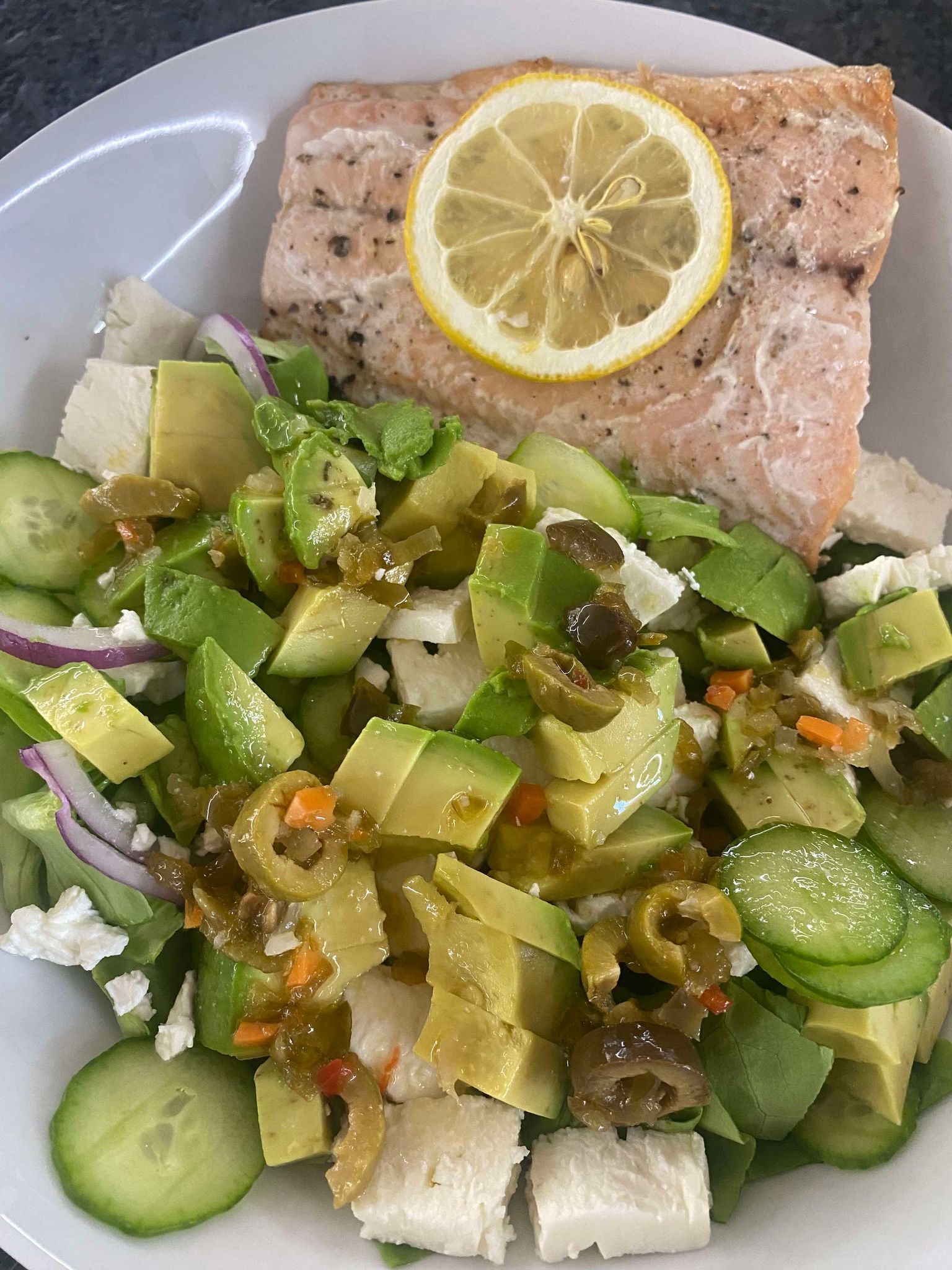
KALE AND SWEET POTATOESLESCÓMEDITERRANEAN SALMON
5. Improving Skin Health
A clear, radiant complexion can often be a sign of good internal health. Clean9’s detoxification process can reduce the load on your liver and other detox organs, leading to clearer, healthier skin. Many users notice an improvement in their skin’s appearance, making it a great addition to any skincare routine. Studies suggest that detox diets can lead to improvements in skin health by reducing the number of toxins and inflammation [6].
6. Enhancing Mental Clarity
Many participants find that Clean9 helps improve mental clarity and focus. By removing toxins and supporting a cleaner diet, the program can contribute to better cognitive function and overall mental well-being. Detox diets have been linked to improved cognitive function and mental clarity due to reduced oxidative stress and inflammation [7].
GRILLED CHICKE WITH VEGETABLESSUSHI BITESAHI TUNA
Supporting Research and Testimonials
Research supports the benefits of detox diets in managing inflammation and improving metabolic health. Studies have shown that reducing the intake of processed foods and toxins can have a positive impact on inflammatory markers and insulin sensitivity [1][2][3]. Testimonials from past Clean9 participants also highlight the program’s positive effects on energy levels, digestive health, and skin appearance.
Nutrient-Packed Shakes and Satisfying Meals to Fuel Your Detox
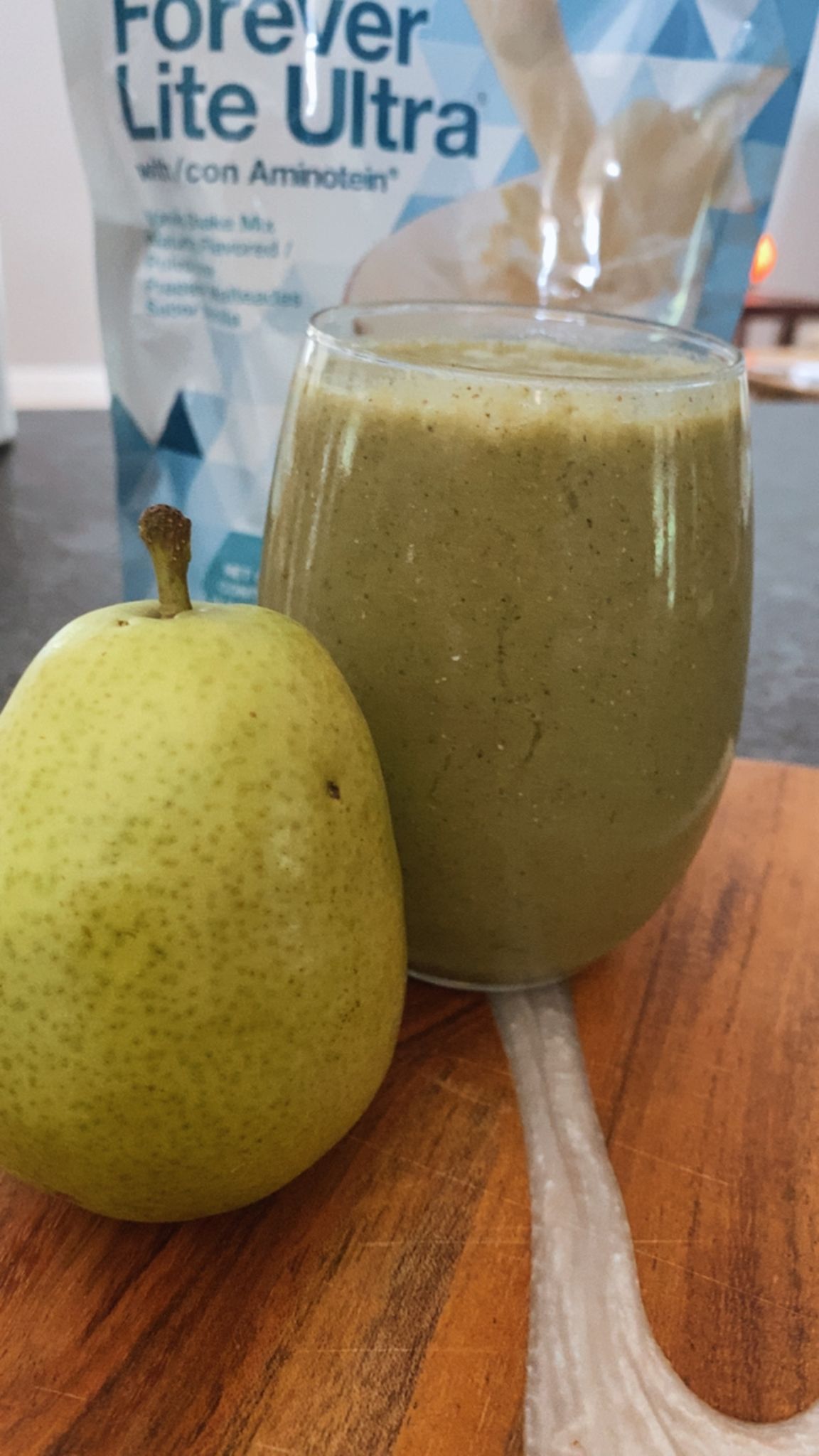
One of the highlights of the Clean9 program is the delicious meals and shakes you get to enjoy while detoxing. Throughout the program, you can indulge in satisfying 600-calorie dinner meals that are both nutritious and flavorful. Along with these meals, the program features delicious, nutrient-packed shakes that help fuel your body with essential vitamins, minerals, and protein. The variety and taste of these shakes and meals prove that eating clean doesn’t mean sacrificing flavor. Whether you’re whipping up a vibrant salad or blending a creamy shake, Clean9 offers a delicious way to detox and nourish your body (SEE SOME PICTIERS ATTACHED THOUOUT THIS ARTICLE).
Get Started with Clean9
The Clean9 Challenge offers an opportunity to rejuvenate your health and experience these benefits firsthand. Join us starting September 9th for a transformative journey toward better health. Embrace the Clean9 program to enjoy improved energy, reduced inflammation, better insulin sensitivity, and overall enhanced well-being.
Ready to take the leap? Sign up for the Clean9 Challenge today and make this end-of-summer the beginning of a healthier, more vibrant you.
Reserve Your Spot or Ask Questions
Fill out this form to reserve your spot or ask any questions regarding the program.
If you are interested in receiving a FREE booklet with suggested meal and shake recipes for 9 days, please request that in the message field below. I will be happy to share.
C-reactive protein (CRP) levels and inflammation: Danesh, J., et al. (2004). “C-reactive protein and coronary heart disease: long-term follow-up of the British Regional Heart Study.” Journal of the American College of Cardiology, 44(4), 567-572.
Detox diets and insulin sensitivity: Vukovich, M. D., et al. (2001). “Effects of a low-fat versus high-fat diet on insulin sensitivity and glycemic control.” Journal of Clinical Endocrinology & Metabolism, 86(9), 4065-4070.
Detox diets and metabolic syndrome: Männistö, S., et al. (2009). “Dietary patterns and metabolic syndrome: a review.” International Journal of Obesity, 33(4), 457-467.
Energy levels and detox diets: Ried, K., et al. (2011). “Effect of detox diets on energy levels and well-being: a systematic review.” Nutrition Journal, 10(1), 15.
Gut health and detox diets: De Palma, G., et al. (2010). “Detoxification diets and their effect on gut microbiota and health.” Gut Microbes, 1(3), 211-218.
Skin health improvements from detox diets: Fabbrocini, G., et al. (2008). “The role of detox diets in improving skin health.” Journal of Cosmetic Dermatology, 7(1), 27-31.
Cognitive function and detox diets: Liu, X., et al. (2015). “Detox diets and their impact on cognitive function and mental clarity.” Neuroscience & Biobehavioral Reviews, 55, 8-14.
I’ve been looking deep into the subject of insulin resistance (IR) lately, and what I’ve learned has been truly eye-opening.
Did you know that over 80% of people have insulin resistance and don't even know it?
You might think you’re in the clear if your glucose levels are within the normal range, but here’s the catch: we often overlook our insulin levels during our yearly physical blood work until it’s too late. Many of us could be insulin resistant without even realizing it.
What is Insulin Resistance?
Insulin resistance is a condition where your body’s cells become less responsive to insulin, a hormone produced by the pancreas that helps regulate blood sugar levels.
When you consume carbohydrates, your blood sugar levels rise, prompting your pancreas to release insulin.
Insulin’s job is to help cells absorb glucose from the blood to use for energy or store as fat. However, when cells become resistant to insulin, they don’t absorb glucose as effectively, causing your pancreas to produce even more insulin. Over time, this can lead to consistently high insulin levels, even if your blood glucose levels appear normal.
The Hidden Dangers of Insulin Resistance
What’s truly alarming is that insulin resistance doesn’t just pave the way for type 2 diabetes. It’s also linked to a host of other serious health conditions, many of which are often overlooked:
Obesity: Insulin resistance can make it difficult to lose weight, particularly around the abdomen.
Atherosclerosis, Heart Attacks, and Strokes: High insulin levels can contribute to the buildup of plaque in arteries, increasing the risk of cardiovascular events.
Permanently Lowered Immunity: Chronic high insulin can weaken the immune system.
Cancer: Insulin resistance has been linked to several types of cancer, including breast, colon, and prostate cancer.
Depression and Anxiety: The connection between insulin resistance and mental health issues is increasingly recognized.
Chronic Fatigue Syndrome:Persistent fatigue may be a sign of underlying insulin resistance.
Fertility Problems (in both men and women): Insulin resistance can lead to hormonal imbalances that affect fertility.
Endometriosis: This painful condition has been linked to insulin resistance.
Generalized Inflammation (e.g., Joint Pain): Insulin resistance can trigger chronic inflammation, leading to joint pain and other issues.
Non-Alcoholic Fatty Liver Disease (NAFLD): This liver condition is strongly associated with insulin resistance.
Thyroid Problems (such as Hashimoto’s): Insulin resistance can exacerbate thyroid issues, including autoimmune thyroiditis.
Why Insulin Levels Should Be Monitored
Despite the significant impact insulin resistance can have on our health, insulin levels are not typically monitored during routine physicals. This is a major oversight because you could be insulin resistant for years without knowing it, all while your body suffers the consequences.
Reversing Insulin Resistance: Diet and Lifestyle Changes
The good news is that insulin resistance can be effectively reversed through diet and lifestyle changes. I’ve personally decided to make a change, even though I don’t have weight issues. I’ve shifted to a low-carb diet and incorporated intermittent fasting into my routine. These changes have made a significant difference, and I’m excited to share my journey with you.
The Power of Aloe Vera in Reversing Insulin Resistance
In addition to dietary changes, there’s another powerful tool you can use to combat insulin resistance: aloe vera.
Dr. Elżbieta Olejnik, a PhD in biochemistry, has been working on research into the benefits of aloe vera, and the findings are impressive.
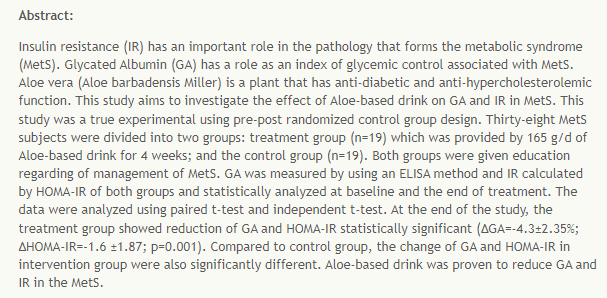
There’s a study showing that drinking aloe vera can reverse or significantly improve insulin resistance.
Aloe vera is known for its anti-inflammatory properties, and it helps regulate blood sugar levels, making it an excellent addition to a diet aimed at reversing insulin resistance.
Learning From the Best
I’ve been listening to Dr. Sten Ekberg and Dr. Elżbieta Olejnik a lot lately, and their teachings have greatly influenced my understanding of insulin resistance. In addition to their insights, research also supports the benefits of drinking aloe vera gel for improving insulin resistance. This natural remedy could be a powerful addition to your routine if you’re looking to manage your insulin levels more effectively.
Aloe Vera and Insulin Resistance: What the Research Says
In addition to the insights provided by Dr. Sten Ekberg and Dr. Elżbieta Olejnik, I came across a study that highlights the potential benefits of aloe vera gel for improving insulin resistance. The study, published in Phytomedicine in 2013, found that consuming aloe vera gel can significantly lower blood glucose levels and improve insulin sensitivity in individuals with prediabetes or type 2 diabetes. The researchers attribute these effects to the anti-inflammatory and antioxidant properties of aloe vera, which help regulate blood sugar and improve metabolic health .
My Upcoming E-Book: A Resource for Your Journey
As I continue my journey, I’m also working on an e-book that will include recipes for shakes, dinner meals, breakfast, and lunch suggestions—all designed to help you manage insulin resistance. I’m excited to offer this resource to you, my readers.
Get Your Gift
If you’re interested, I encourage you to fill out this form to be put on the waiting list and receive my e-book as soon as it comes out.
Insulin resistance is a silent epidemic affecting millions of people, often without their knowledge. By understanding this condition and taking proactive steps, you can protect your health and potentially reverse insulin resistance before it leads to more serious issues. Don’t wait until it’s too late—start making changes today.
For those of you looking to learn more or start your journey towards better health, don’t forget to fill out the above form and subscribe to receive my upcoming e-book. Together, we can take control of our health and combat insulin resistance.
References
Dr. Sten Ekberg’s Insights on Insulin Resistance: Dr. Ekberg, a popular figure on YouTube, has been educating the public about the dangers of insulin resistance. He highlights the importance of monitoring insulin levels, not just glucose, during routine blood work.
Research by Dr. Elżbieta Olejnik: Dr. Olejnik’s research into the benefits of aloe vera for insulin resistance is groundbreaking. The study she conducted provides scientific backing for the use of aloe vera as a natural remedy to improve insulin sensitivity.
Remember: Your health is in your hands. Take the steps necessary to safeguard it today.
Our bodies are equipped with amazing systems to filter out toxins and keep us healthy. Just like we change the air filters in our cars, perform regular tune-ups, and replace furnace filters at home, our bodies need regular maintenance to function optimally. Our skin, lungs, kidneys, and liver are constantly working to filter out harmful substances, but they can become overwhelmed. This is why regular detoxification is essential for maintaining good health.
The Body’s Filters
Skin: Our largest organ, the skin, acts as a barrier and filter, protecting us from external pollutants. It also excretes toxins through sweat. However, it’s exposed to numerous chemicals daily from personal care products, household cleaning agents, and environmental pollutants.
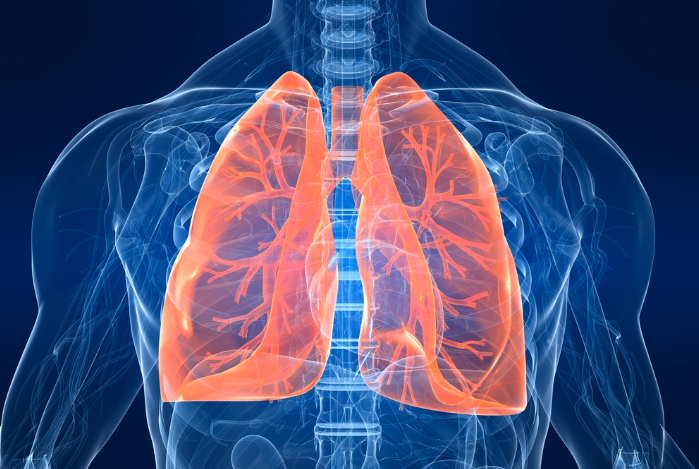
Lungs: Our lungs filter out harmful particles from the air we breathe. They are constantly exposed to pollutants, allergens, and chemicals, which can accumulate over time and impair their function.
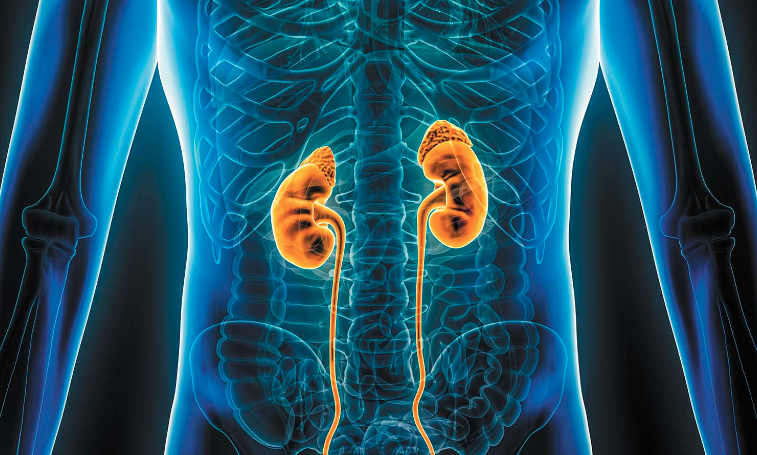
Kidneys: These vital organs filter waste products and excess substances from the blood, excreting them in urine. The kidneys are essential for maintaining the body’s internal environment, but they can become overloaded with toxins.
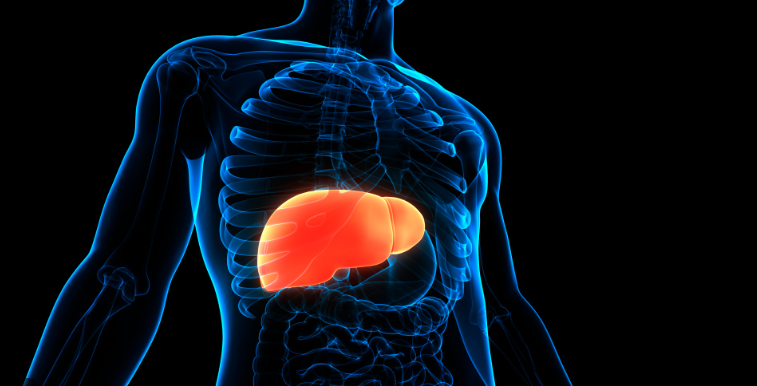
Liver: The liver is the body’s main detoxifying organ, processing and neutralizing harmful substances. It plays a crucial role in metabolism and detoxification but can become overburdened with toxins from food, medications, and environmental exposures.
The Need to Clean Our Filters
We often don’t realize how many chemicals we are exposed to daily. For example, when we shower, we inhale chlorine and other chemicals from the water, which can make us feel sleepy afterward, similar to the effects of anesthesia. Additionally, we are exposed to chemicals from plastics, pesticides, herbicides, and various products we use on our skin and in our homes. Over time, these chemicals can accumulate in our bodies, making it harder for our natural filters to function effectively.
Increased Exposure to Toxins
Years ago, people were not exposed to the same level of toxins that we are today. Industrialization and the widespread use of chemicals in everyday products have significantly increased our exposure to environmental toxins. Environmental diseases were rare in the past, but today, they are becoming more common due to the vast array of pollutants in our air, water, and food. This increase in exposure means that our body’s filters are working harder than ever before, making regular detoxification even more important.
The Consequences of Neglecting Detox
When our body’s filters become clogged, it can lead to a build-up of toxins that can compromise our health. This isn’t about having a specific disease but rather a lack of optimal health. Symptoms such as fatigue, skin issues, digestive problems, and weakened immunity can arise from toxin overload. Regular detoxification helps to reset and support these vital organs, ensuring they continue to work efficiently.
Detox as Prevention
Detoxification should be viewed as a preventive measure, not just a remedy for existing health issues. By regularly cleansing our body’s filters, we help them function at their best, reducing the risk of toxin-related health problems. Don’t wait until it’s too late. Taking proactive steps to detox can enhance your overall well-being and vitality.
Join Our Support Group
If you’re ready to take control of your health and support your body’s natural detoxification processes, join our support group. Together, we can guide you through a 4-day, 9-day, or 13-day detox program tailored to your needs. Let’s prioritize our health and ensure our body’s filters are clean and functioning optimally.
Contact us
Take the first step towards a healthier you by joining our detox support group today. Let’s cleanse our bodies and reclaim our vitality together!






















 Gut Health Matters