In today’s world, chronic inflammation has become an underlying factor in countless health concerns — from skin disorders and joint pain to high cholesterol, insulin resistance, and fatigue. While many people focus on managing individual symptoms with creams, medications, or restrictive diets, the real solution lies deeper.
At the center of it all is your gut.
The gut is not only responsible for digestion; it also plays a crucial role in immune function, hormonal balance, and systemic inflammation. When the gut lining becomes compromised — a condition known as leaky gut — it allows toxins and undigested particles to enter the bloodstream, triggering inflammation throughout the body. Unfortunately, this condition is far more common than most people realize.
Leaky Gut = Systemic Inflammation
That means your body is constantly reacting to things it shouldn’t, leaking toxins into your bloodstream, weakening your immune system, and disrupting your insulin response. That inflammation? It’s showing up as:
Skin problems like eczema, psoriasis, and acne
Joint pain and stiffness
Digestive issues
Brain fog
Fatigue
Hormonal imbalance
High cholesterol and high blood pressure
And yes — insulin resistance
Most people don’t realize the connection. Skin conditions? Usually gut-related. Blood pressure? Often tied to insulin and inflammation in the gut. Even mental health struggles can be traced back to poor gut health. After all, your gut is often referred to as your second brain — and it’s time we start using our first brain to understand and heal it.
So what can you do?
Instead of endlessly managing symptoms, try this radical approach:
Focus on healing.
And one of the most powerful, natural ways to start that healing?
Aloe Vera.
Yes — the plant.
The juice from the aloe vera plant is like a natural healer for your gut lining. It soothes inflammation, supports digestion, helps regulate blood sugar, and promotes nutrient absorption.
It doesn’t mask symptoms — it targets the cause.
Think about it this way:
If your house is flooding, would you spend your time mopping the floor, or would you go fix the leak?
Stop mopping. Start fixing.
Give your gut what it needs to rebuild itself. Remove the irritants (processed food, artificial sugars, seed oils), and bring in the healers (aloe vera, whole foods, probiotics, fiber, rest, hydration). It’s not a magic overnight fix — but it is the only path to real, lasting health.
Your Gut Does So Much More Than Digest Food
It controls your mood, your immunity, your hormones, your energy, your skin, and your future.
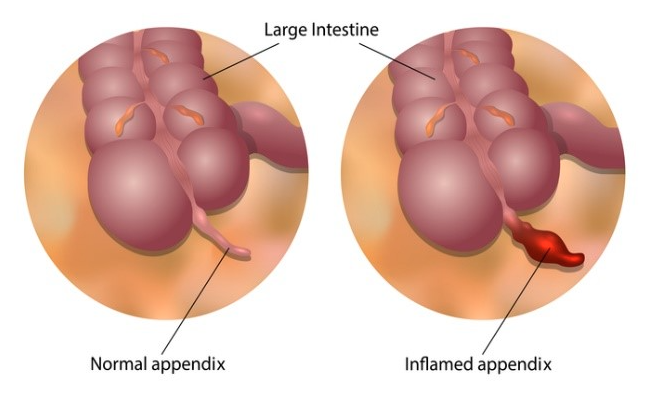
For years, we’ve been told that the appendix is a useless organ, an evolutionary leftover with no real function. In fact, many people have had theirs removed without a second thought, assuming it was unnecessary. But what if I told you that the appendix actually plays an important role in gut health?
The Appendix: A Safe Haven for Good Bacteria
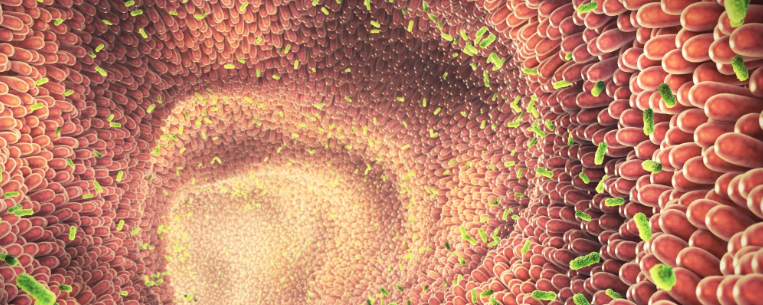
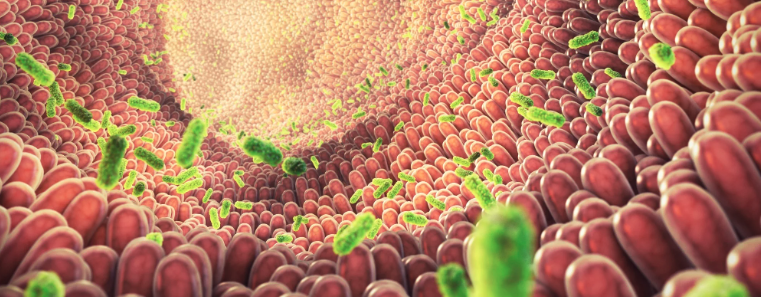
Recent research suggests that the appendix acts as a reservoir for beneficial gut bacteria. Our digestive system relies on trillions of microorganisms to break down food, support immunity, and keep us healthy. However, during severe infections, such as food poisoning or stomach flu, these beneficial bacteria can be wiped out. This is where the appendix comes in—it serves as a backup system, storing and protecting good bacteria so they can repopulate the gut after an illness.
Why Do Some People Have Their Appendix Removed?
Most appendectomies happen because of appendicitis, a condition where the appendix becomes inflamed and infected. But here’s an interesting fact: people who have their appendix removed already had an inflammatory condition. Inflammation doesn’t just happen overnight—it’s often the result of poor gut health, imbalances in gut bacteria, or chronic low-grade inflammation in the body.
This raises an important question: Is the appendix really the problem, or is it just the victim of an already inflamed system? While surgery is sometimes necessary to prevent life-threatening complications, it’s worth asking what we can do to prevent inflammation in the first place.
How to Support Gut Health Naturally
If the appendix helps maintain a healthy gut microbiome, then it makes sense to focus on keeping our gut healthy—whether we still have our appendix or not. One of the best ways to do this is by supporting our digestive system with natural solutions.
One of my favorite ways? Drinking pure aloe vera gel.
Aloe Vera: Your Gut’s Best Friend
Aloe vera is packed with natural enzymes, prebiotics, and nutrients that help balance gut bacteria, soothe inflammation, and promote overall digestive health. Here’s why it’s a must-have:
✔ Soothes the Digestive Tract – Helps with bloating, acid reflux, and irritation. ✔ Supports Good Bacteria – Acts as a prebiotic, feeding beneficial gut microbes. ✔ Reduces Inflammation – Helps calm chronic inflammation, which can prevent conditions like appendicitis. ✔ Aids in Nutrient Absorption – Helps your body absorb vitamins and minerals more efficiently.
Final Thoughts
The appendix is far from useless—it plays a key role in gut health and immunity. If you’ve had yours removed, it’s even more important to focus on restoring gut bacteria and reducing inflammation through diet, lifestyle, and natural supplements like aloe vera.
If you’re ready to take better care of your gut, start by drinking aloe vera daily—your body (and your good bacteria) will thank you!
Let me know in the comments—have you ever thought about the appendix this way before? Would love to hear your thoughts!
It’s clear that the world is changing, and so is the way we think about health. More than ever, you and I are searching for holistic, functional, and natural solutions to well-being. This shift represents a growing awareness that true health goes beyond treating symptoms—it’s about addressing the root causes and nurturing our bodies with what they truly need.
A Paradigm Shift in Healthcare
For years, healthcare has been primarily focused on quick fixes and pharmaceutical interventions. But now, there’s an undeniable movement toward preventative care, root-cause analysis, and natural remedies. More people are realizing that sustainable health often starts with what we put into our bodies. Diet, lifestyle, and natural supplements are becoming essential components of long-term wellness.
Younger Generations Leading the Way
Interestingly, this shift is being driven, in part, by younger generations like Millennials and Gen Z. They are prioritizing clean eating, healthy diets, and natural products over processed alternatives. You and I may have noticed how they read labels, question ingredients, and search for holistic approaches to stay healthy in both body and mind.
But it doesn’t stop with food. Younger generations are also changing how we think about skincare and everyday products. They’re saying no to toxic chemicals in favor of healthier, safer alternatives. From chemical-free makeup to all-natural deodorants and biodegradable cleaning supplies, they’re demanding transparency and healthier options. These choices aren’t just about beauty or hygiene—they reflect a deeper commitment to taking care of themselves and the planet.
This generation isn’t satisfied with temporary solutions. They want natural, sustainable products that align with their values—and you and I can take a page from their book. Whether it’s swapping out our household cleaners for eco-friendly ones or choosing skincare with nourishing, non-toxic ingredients, these small changes can have a big impact on our health and well-being.
What Does This Mean for the Future?
The changes we’re seeing today are just the beginning. As more people embrace holistic approaches, the healthcare landscape is bound to evolve. We’ll likely see a greater emphasis on:
Functional Medicine
Functional medicine goes beyond diagnosing and prescribing—it’s about understanding the root causes of health challenges. Practitioners of functional medicine work to uncover how your genetics, environment, and lifestyle interact to influence your health. For example, instead of prescribing medication for high cholesterol, a functional medicine doctor may analyze your diet, stress levels, and even exposure to toxins. They then develop a personalized plan that may include whole foods, stress management techniques, and targeted supplements to restore balance naturally. This approach empowers you and me to take control of our health and prevent chronic conditions before they develop.
Preventative Care
The old saying “An ounce of prevention is worth a pound of cure” is more relevant than ever. Preventative care focuses on addressing small imbalances before they become major health problems. This includes everything from regular physical activity and nutrient-dense diets to mindfulness practices that reduce stress. For instance, instead of waiting for a diabetes diagnosis, more people are monitoring their insulin sensitivity, adding superfoods like turmeric or aloe vera to their diets, and adopting intermittent fasting to maintain healthy glucose levels. The shift to preventative care will reduce the burden on healthcare systems and help you and me enjoy longer, healthier lives.
Natural Solutions
The future of healthcare will also see a stronger emphasis on natural solutions. Products derived from plants, such as aloe vera, essential oils, and adaptogenic herbs, are becoming key players in managing health naturally. These solutions offer powerful benefits without the harsh side effects associated with synthetic drugs.
For example:
Aloe vera is known for its ability to soothe inflammation, support gut health, and promote skin regeneration.
Lycium (goji berry) and garlic each offer unique and complementary benefits. Lycium is a powerful antioxidant that supports eye health, boosts immunity, and enhances energy, while garlic promotes heart health, reduces inflammation, and strengthens the immune system. Together, they work to reduce inflammation, support overall wellness, and help the body adapt to various stressors.
Natural supplements that provide key nutrients, such as omega-3s, probiotics, and turmeric, are proving invaluable for preventing chronic inflammation and supporting overall well-being.
Natural solutions also extend to everyday essentials like skincare, haircare, and household products. Younger generations are swapping out their old products for cleaner alternatives, and we can do the same. From all-natural shampoos to fluoride-free toothpastes, these changes add up and reflect a broader movement toward sustainable health.
Why It Matters
This movement is about empowerment. You and I are taking charge of our health, educating ourselves, and making informed choices. It’s a shift away from reactive healthcare to proactive wellness. By focusing on natural solutions, we can find balance and vitality in a world that often feels overwhelming.
As we move forward, let’s embrace this change. Whether it’s through rethinking what’s on our plates, exploring the benefits of natural supplements, or simply taking time to listen to our bodies, the journey to wellness is one we all deserve to take.
Have you ever had a gut feeling about something? It turns out that phrase is more than just a metaphor. Your gut, often referred to as the “second brain,” plays a crucial role in your overall health and well-being. I used to think that gut health was just about avoiding an upset stomach, but I’ve come to realize it’s so much more than that. Let’s dive into why gut health matters and why you should care about it.
Your Gut and Your Immune System
Did you know that about 70% of your immune system resides in your gut? This blew my mind when I first learned it. A healthy gut means a robust immune system, which helps you fend off illnesses and infections. When your gut is out of balance, your immune system can suffer, making you more susceptible to getting sick. By taking care of your gut, you’re essentially giving your immune system the support it needs to keep you healthy.
The Gut-Brain Connection
Your gut and brain are in constant communication through the gut-brain axis. This means that the state of your gut can influence your mood, mental health, and cognitive functions. I’ve noticed that when my gut is in good shape, I feel more mentally clear and emotionally balanced. On the flip side, when I neglect my gut health, I experience more stress and anxiety. By nurturing your gut, you can improve your mood and mental well-being.
Digestion and Nutrient Absorption
We all know that digestion is essential for breaking down food, but did you know that your gut health directly impacts how well you absorb nutrients? A healthy gut lining ensures that you get the maximum benefit from the foods you eat. When your gut is compromised, nutrient absorption can be impaired, leading to deficiencies that affect your overall health. By focusing on gut health, you ensure your body gets the fuel it needs to thrive.
Gut Health and Chronic Diseases
An unhealthy gut has been linked to a variety of chronic diseases, including diabetes, heart disease, and even some cancers. When your gut is out of balance, inflammation can occur, which is a common underlying factor in many chronic conditions. I’ve found that by prioritizing gut health, I not only feel better day-to-day but also reduce my risk of developing these serious health issues. Taking care of your gut is an investment in your long-term health.
How to Improve Gut Health
Now that we understand why gut health is so important, let’s talk about how you can improve it. Here are some strategies that have worked for me:
Eat a Diverse Diet: Focus on consuming a variety of fruits, vegetables, whole grains, and good proteins. A diverse diet supports a diverse gut microbiome, which is key to gut health.
Probiotics and Prebiotics: Incorporate foods rich in probiotics, like yogurt and fermented foods, and prebiotics, like garlic and onions, to nourish your gut bacteria.
Stay Hydrated: Drinking plenty of water aids digestion and helps maintain the mucosal lining of your intestines.
Drink Aloe Vera: Aloe vera juice or gel can soothe and heal the gut lining, reduce inflammation, and promote a healthy digestive system. I’ve found that incorporating aloe vera into my daily routine has significantly improved my gut health.
Reduce Stress: High stress levels can negatively impact your gut health. Practices like meditation, prayer, and deep breathing can help keep stress in check.
Get Enough Sleep: Quality sleep is essential for overall health, including your gut. Aim for 7-9 hours of sleep per night.
Exercise Regularly: Physical activity promotes a healthy gut microbiome and helps with digestion.
Taking steps to improve your gut health can have a profound impact on your overall well-being. I’ve experienced firsthand the benefits of a healthy gut, from better digestion to improved mental clarity and energy levels. By prioritizing your gut health, you can unlock a new level of vitality and resilience. So, listen to your gut—it’s trying to tell you something important.
If you are interested in trying aloe vera gel, please click the button below to enter the on-line store.
Contact us
Fill out this form to receive my gift: FREE Detox Booklet.









 Gut Health Matters