In today’s world, chronic inflammation has become an underlying factor in countless health concerns — from skin disorders and joint pain to high cholesterol, insulin resistance, and fatigue. While many people focus on managing individual symptoms with creams, medications, or restrictive diets, the real solution lies deeper.
At the center of it all is your gut.
The gut is not only responsible for digestion; it also plays a crucial role in immune function, hormonal balance, and systemic inflammation. When the gut lining becomes compromised — a condition known as leaky gut — it allows toxins and undigested particles to enter the bloodstream, triggering inflammation throughout the body. Unfortunately, this condition is far more common than most people realize.
Leaky Gut = Systemic Inflammation
That means your body is constantly reacting to things it shouldn’t, leaking toxins into your bloodstream, weakening your immune system, and disrupting your insulin response. That inflammation? It’s showing up as:
Skin problems like eczema, psoriasis, and acne
Joint pain and stiffness
Digestive issues
Brain fog
Fatigue
Hormonal imbalance
High cholesterol and high blood pressure
And yes — insulin resistance
Most people don’t realize the connection. Skin conditions? Usually gut-related. Blood pressure? Often tied to insulin and inflammation in the gut. Even mental health struggles can be traced back to poor gut health. After all, your gut is often referred to as your second brain — and it’s time we start using our first brain to understand and heal it.
So what can you do?
Instead of endlessly managing symptoms, try this radical approach:
Focus on healing.
And one of the most powerful, natural ways to start that healing?
Aloe Vera.
Yes — the plant.
The juice from the aloe vera plant is like a natural healer for your gut lining. It soothes inflammation, supports digestion, helps regulate blood sugar, and promotes nutrient absorption.
It doesn’t mask symptoms — it targets the cause.
Think about it this way:
If your house is flooding, would you spend your time mopping the floor, or would you go fix the leak?
Stop mopping. Start fixing.
Give your gut what it needs to rebuild itself. Remove the irritants (processed food, artificial sugars, seed oils), and bring in the healers (aloe vera, whole foods, probiotics, fiber, rest, hydration). It’s not a magic overnight fix — but it is the only path to real, lasting health.
Your Gut Does So Much More Than Digest Food
It controls your mood, your immunity, your hormones, your energy, your skin, and your future.
Insulin resistance (IR) is a growing health concern, affecting millions globally, often without them realizing it. The condition arises when the body’s cells become less responsive to insulin, a crucial hormone responsible for regulating blood sugar levels. This diminished response forces the pancreas to produce more insulin to compensate, leading to elevated blood insulin and glucose levels over time. While insulin resistance can remain undetected for years, its impact on metabolic health is profound, linking it to numerous serious conditions.
1. Type 2 Diabetes
Insulin resistance is a key driver of type 2 diabetes. As the body’s cells lose their sensitivity to insulin, blood sugar levels rise, forcing the pancreas to work overtime producing insulin. Eventually, the pancreas can no longer keep up, and blood sugar levels remain elevated, leading to diabetes. In fact, many individuals diagnosed with type 2 diabetes have likely had insulin resistance for years prior.
2. Cardiovascular Disease
Insulin resistance doesn’t stop at just raising blood sugar. It also contributes to cardiovascular disease. Elevated levels of insulin and glucose in the bloodstream can lead to the formation of fatty deposits in the arteries. Over time, this accelerates atherosclerosis (the hardening and narrowing of arteries), leading to increased blood pressure, heart attacks, and strokes. Insulin resistance is a major contributor to hypertension, further compounding cardiovascular risks.
3. Obesity
One of the hallmark signs of insulin resistance is obesity, particularly around the abdomen. Insulin, in addition to regulating blood sugar, also plays a role in fat storage. High levels of insulin promote fat accumulation, particularly visceral fat around the organs, which is linked to increased risk for chronic disease. Furthermore, insulin resistance makes it harder for the body to burn fat for energy, which contributes to further weight gain and difficulty losing weight.
4. Hypertension
High blood pressure, or hypertension, is another condition linked to insulin resistance. Insulin influences the kidneys’ ability to regulate salt and water balance, which impacts blood pressure. When insulin levels are elevated due to resistance, it promotes the retention of sodium, leading to increased blood volume and higher blood pressure. This relationship between insulin resistance and hypertension is why people with metabolic syndrome (a cluster of conditions including IR) often experience high blood pressure.
5. Dyslipidemia
Dyslipidemia, an imbalance of lipid levels in the blood, is a common feature of insulin resistance. It’s characterized by high triglycerides, low levels of HDL (the “good” cholesterol), and sometimes elevated LDL cholesterol. These lipid abnormalities further increase the risk of cardiovascular disease. High triglycerides and low HDL levels are often seen in people with insulin resistance and are key markers of metabolic health.
6. Non-Alcoholic Fatty Liver Disease (NAFLD)
Non-alcoholic fatty liver disease is a condition where excess fat builds up in the liver, and it’s closely linked to insulin resistance. As insulin resistance impairs the body’s ability to use glucose effectively, fat starts to accumulate in the liver. If left unchecked, this can progress to more severe liver conditions, such as non-alcoholic steatohepatitis (NASH), cirrhosis, or even liver cancer.
7. Polycystic Ovary Syndrome (PCOS)
For women, insulin resistance is often a key factor in the development of polycystic ovary syndrome (PCOS). PCOS is a hormonal disorder that can cause irregular menstrual cycles, infertility, and excessive hair growth. Insulin resistance exacerbates the hormonal imbalances seen in PCOS, making it a difficult condition to manage without addressing the underlying insulin issues.
8. Chronic Inflammation
Chronic low-grade inflammation is a hallmark of insulin resistance and contributes to the progression of many chronic diseases. Elevated insulin levels are associated with the production of inflammatory markers, which, over time, can damage tissues and organs, contributing to conditions such as heart disease, obesity, and diabetes. The constant state of inflammation strains the body and can lead to a host of other health issues.
9. Anxiety and Depression
Emerging research suggests a strong link between insulin resistance and mental health disorders like anxiety and depression. Insulin resistance can disrupt brain function by impairing glucose metabolism in the brain, which is essential for mood regulation and cognitive function. Additionally, chronic inflammation associated with insulin resistance can affect neurotransmitter balance, contributing to symptoms of depression and anxiety. As insulin resistance worsens, these mental health issues may become more pronounced, creating a vicious cycle that affects both physical and emotional well-being. Addressing insulin resistance may thus help improve mental health outcomes alongside physical health.
Insulin resistance is a silent, yet powerful contributor to many of the chronic conditions that plague modern society. Addressing insulin resistance through lifestyle changes—such as a healthier diet, increased physical activity, and weight loss—can significantly reduce the risk of developing these conditions. Monitoring insulin levels, not just glucose, can help catch insulin resistance early, allowing for interventions before it progresses to more serious diseases like type 2 diabetes or cardiovascular disease.
By understanding the broader impact of insulin resistance, individuals can take proactive steps toward better health, potentially reversing or preventing the onset of multiple chronic conditions.
DeFronzo, R. A., & Ferrannini, E. (1991). Insulin resistance: a multifaceted syndrome responsible for NIDDM, obesity, hypertension, dyslipidemia, and atherosclerotic cardiovascular disease. Diabetes Care, 14(3), 173-194.
Reaven, G. M. (1988). Banting lecture 1988. Role of insulin resistance in human disease. Diabetes, 37(12), 1595-1607.
Samuel, V. T., & Shulman, G. I. (2016). The pathogenesis of insulin resistance: integrating signaling pathways and substrate flux. The Journal of Clinical Investigation, 126(1), 12-22.
Reaven, G. M. (2005). The metabolic syndrome: Requiescat in pace. Clinical Chemistry, 51(6), 931-938.
Cusi, K. (2016). Role of insulin resistance and lipotoxicity in non-alcoholic steatohepatitis. Clinics in Liver Disease, 20(2), 305-320.
Inflammation is the body’s natural response to injury or infection, but when it becomes chronic, it can lead to a host of health issues, including arthritis, heart disease, and even cancer. I understand that finding natural ways to combat inflammation is essential for maintaining your overall health. One such natural remedy is aloe vera gel, which has been celebrated for its anti-inflammatory properties.
The Science Behind Aloe Vera’s Anti-Inflammatory Properties
Aloe vera has been used for centuries in traditional medicine to treat various ailments. I found that modern research supports its efficacy, particularly its anti-inflammatory effects. Several studies have highlighted the potential of aloe vera gel in reducing inflammation:
Study on Aloe Vera and Inflammation: A study published in the “Journal of Ethnopharmacology” demonstrated that aloe vera gel significantly reduces inflammation in both acute and chronic models. Researchers concluded that aloe vera contains compounds such as acemannan and other polysaccharides that inhibit the production of pro-inflammatory cytokines.
Topical Application: Research in the “Journal of Clinical Pharmacy and Therapeutics” found that aloe vera gel applied topically reduced inflammation and promoted healing in patients with psoriasis and dermatitis. This suggests that aloe vera can effectively soothe your skin-related inflammatory conditions.
Oral Consumption: A study in the “Journal of Pharmacognosy and Phytochemistry” indicated that when you consume aloe vera gel orally, it can reduce inflammation in the gastrointestinal tract, which is beneficial for conditions like irritable bowel syndrome (IBS) and ulcerative colitis.
Aloe Vera Gel and Psoriasis
If you are dealing with psoriasis, you might be interested to know that consuming aloe vera gel has shown promise in managing this condition. Although most studies focus on topical application, there is emerging evidence suggesting benefits from oral consumption:
Systematic Review: A systematic review published in the “Journal of Dermatological Treatment” examined various studies on the use of aloe vera for psoriasis. While topical applications are well-documented, some studies indicate that consuming aloe vera gel might help reduce systemic inflammation, which can benefit psoriasis patients.
Case Studies: Anecdotal evidence and small-scale studies suggest that individuals who consume aloe vera gel report improvements in psoriasis symptoms, such as reduced redness and scaling. These reports align with aloe vera’s known anti-inflammatory properties, which can potentially reduce the underlying inflammation associated with psoriasis.
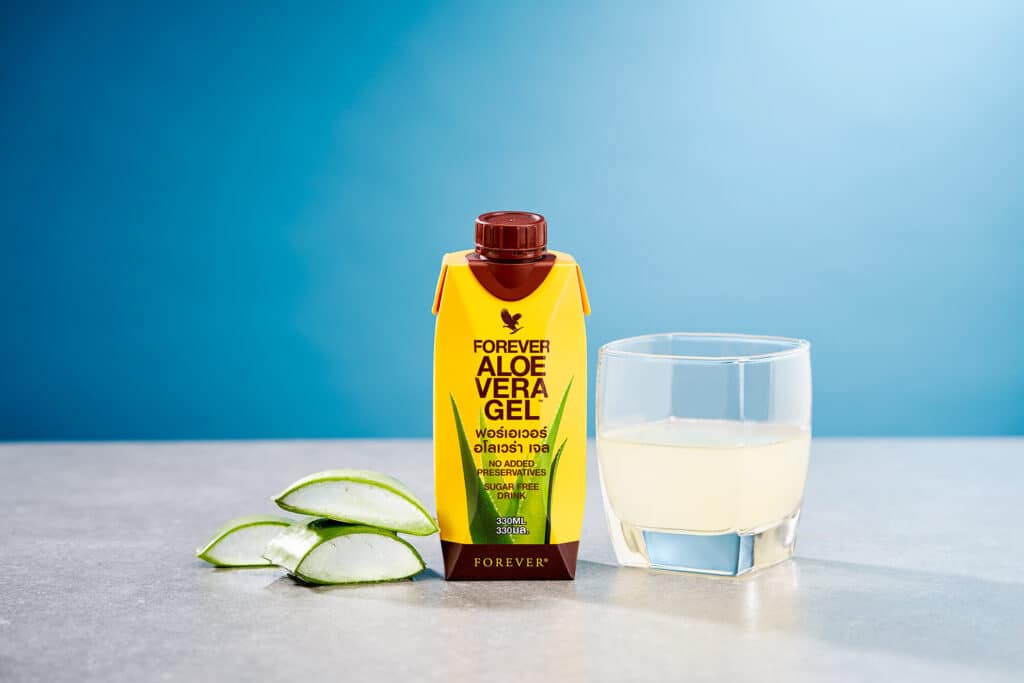
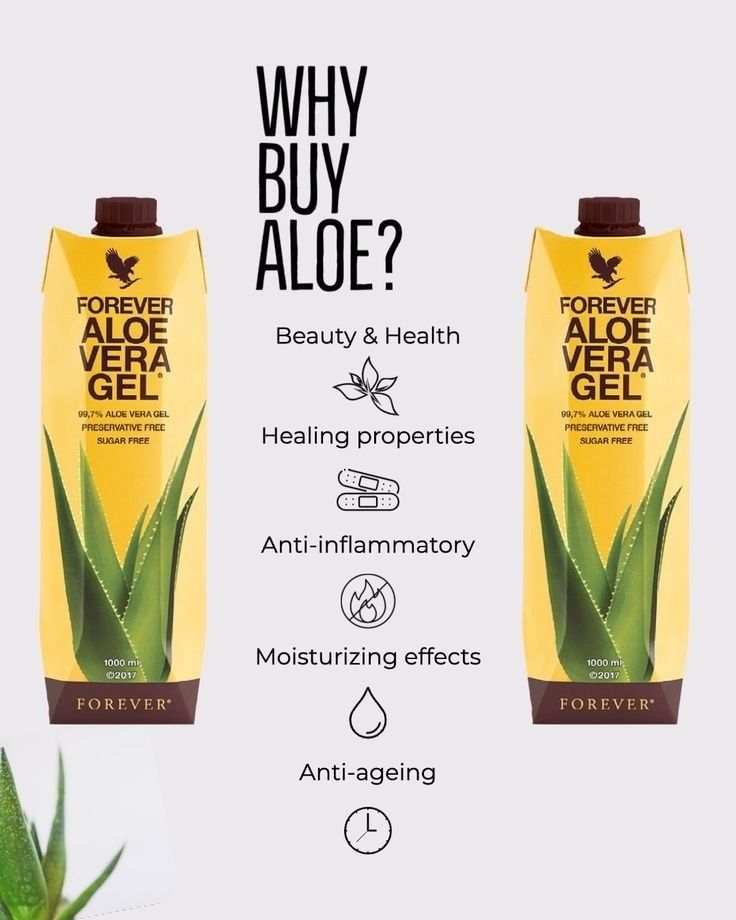
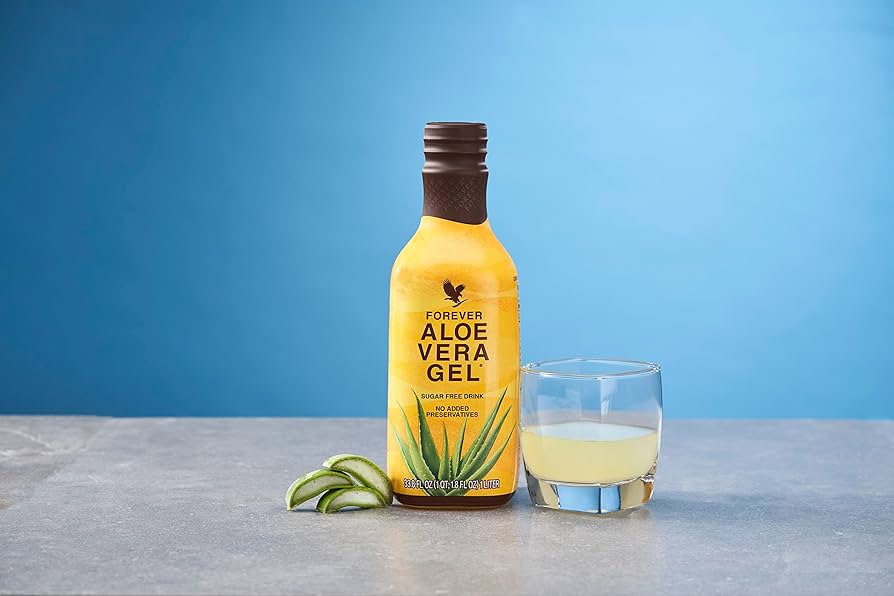
Why Choose Forever Aloe Vera Gel?
You might wonder why Forever Aloe Vera Gel stands out among other products. Forever Aloe Vera Gel is renowned for its purity, containing 99.7% aloe vera. This high concentration ensures you are getting a potent dose of the beneficial compounds found in aloe vera. Here’s why I believe Forever Aloe Vera Gel is an excellent choice:
High Purity: With 99.7% pure aloe vera, it provides maximum benefits without the dilution found in some other products.
Quality Assurance: Forever Living Products are known for their rigorous quality control, ensuring that you get a consistent and high-quality product every time.
Versatile Use: Whether you consume it as a drink or use it topically, Forever Aloe Vera Gel can be easily integrated into your daily routine.
Adding Aloe Vera Gel to Your Diet
For those of you looking to fight inflammation through diet, incorporating aloe vera gel is simple and effective. Here’s how you can add it to your daily regimen:
Morning Boost: Start your day with a shot of aloe vera gel to reduce inflammation and boost your digestion.
Smoothie Addition: Add a couple of tablespoons to your morning smoothie for an anti-inflammatory kick.
Hydration: Mix aloe vera gel with water or your favorite juice for a refreshing and health-boosting drink.
Cleansing ProgramC9: Consider 9-day detox program 3-4 times a year to keep your gut bacteria in check.
Aloe vera gel, particularly Forever Aloe Vera Gel, offers a natural and effective way for you to combat inflammation. Its high purity and proven benefits make it an excellent addition to your diet. By integrating aloe vera gel into your daily routine, you can take a proactive step towards reducing inflammation and enhancing your overall well-being. If you are dealing with psoriasis, considering both topical and oral consumption of aloe vera gel might offer additional benefits.
Always consult with a healthcare professional before making significant changes to your diet, especially if you have underlying health conditions or are on medication.
References:
Journal of Ethnopharmacology: Anti-inflammatory and Immunomodulatory Properties of Aloe vera.
Journal of Clinical Pharmacy and Therapeutics: Aloe Vera Gel in Dermatology – A Systematic Review.
Journal of Pharmacognosy and Phytochemistry: Oral Aloe Vera Gel for Gastrointestinal Inflammation.
Journal of Dermatological Treatment: Systematic Review on Aloe Vera for Psoriasis Treatment.
Do you have any questions or would like to connect?










 Gut Health Matters