In today’s world, chronic inflammation has become an underlying factor in countless health concerns — from skin disorders and joint pain to high cholesterol, insulin resistance, and fatigue. While many people focus on managing individual symptoms with creams, medications, or restrictive diets, the real solution lies deeper.
At the center of it all is your gut.
The gut is not only responsible for digestion; it also plays a crucial role in immune function, hormonal balance, and systemic inflammation. When the gut lining becomes compromised — a condition known as leaky gut — it allows toxins and undigested particles to enter the bloodstream, triggering inflammation throughout the body. Unfortunately, this condition is far more common than most people realize.
Leaky Gut = Systemic Inflammation
That means your body is constantly reacting to things it shouldn’t, leaking toxins into your bloodstream, weakening your immune system, and disrupting your insulin response. That inflammation? It’s showing up as:
Skin problems like eczema, psoriasis, and acne
Joint pain and stiffness
Digestive issues
Brain fog
Fatigue
Hormonal imbalance
High cholesterol and high blood pressure
And yes — insulin resistance
Most people don’t realize the connection. Skin conditions? Usually gut-related. Blood pressure? Often tied to insulin and inflammation in the gut. Even mental health struggles can be traced back to poor gut health. After all, your gut is often referred to as your second brain — and it’s time we start using our first brain to understand and heal it.
So what can you do?
Instead of endlessly managing symptoms, try this radical approach:
Focus on healing.
And one of the most powerful, natural ways to start that healing?
Aloe Vera.
Yes — the plant.
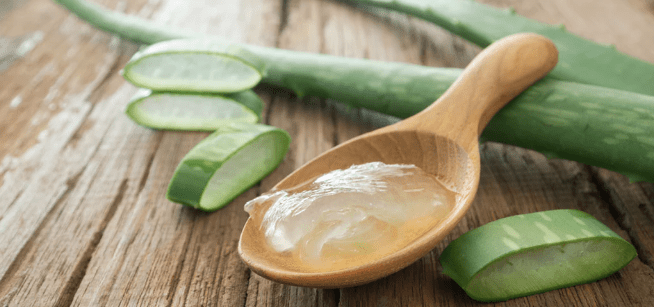
The juice from the aloe vera plant is like a natural healer for your gut lining. It soothes inflammation, supports digestion, helps regulate blood sugar, and promotes nutrient absorption.
It doesn’t mask symptoms — it targets the cause.
Think about it this way:
If your house is flooding, would you spend your time mopping the floor, or would you go fix the leak?
Stop mopping. Start fixing.
Give your gut what it needs to rebuild itself. Remove the irritants (processed food, artificial sugars, seed oils), and bring in the healers (aloe vera, whole foods, probiotics, fiber, rest, hydration). It’s not a magic overnight fix — but it is the only path to real, lasting health.
Your Gut Does So Much More Than Digest Food
It controls your mood, your immunity, your hormones, your energy, your skin, and your future.
Aloe vera has been praised for its incredible health benefits, from supporting digestion to boosting the immune system. But one of the most common questions people ask is: How much aloe should I drink daily? Let’s break it down and make it simple.
How to Start Drinking Aloe Vera?
If you’re new to aloe vera gel, you don’t need to rush into drinking large amounts. Here’s a good starting point:
Standard recommendation: 4 oz (½ cup) or 100 ml per day – half in the morning half ant night.
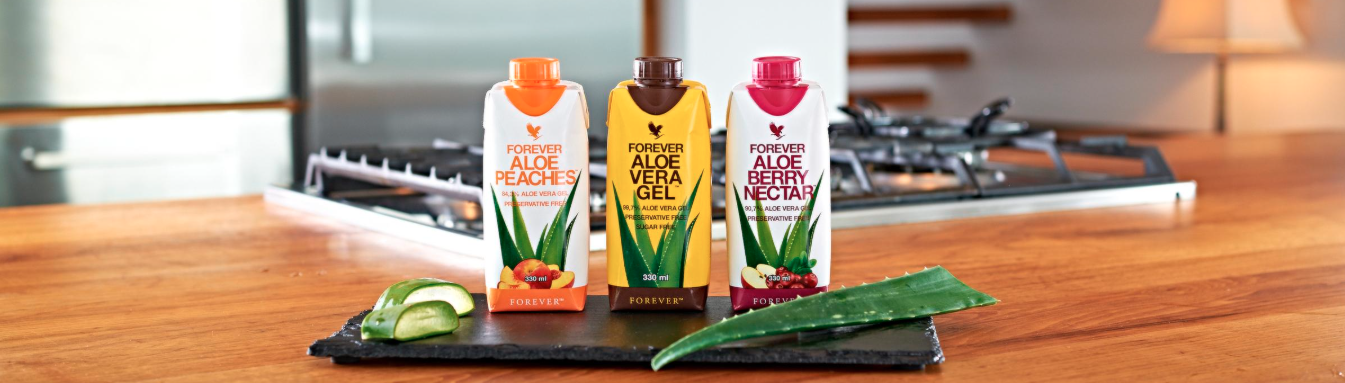
How much I drink: ½ mini bottle (about 165 ml).
Some people drink a whole mini bottle per day (330ml) – and that’s completely fine! My family did that for a long time before settling on ½ mini per day.
If your health is compromised (e.g., recovering from an illness, chemotherapy, or a weakened immune system), it’s best to start slow:
First week: 1 tablespoon twice a day
Each following week: Double the amount until you reach the recommended daily intake.
Dr. Olejnik suggested this approach to my cousin after chemotherapy to avoid shocking the system. It’s understandable—when the immune system is weak, gentle introduction is key.
When Should You Drink Aloe Vera?
Timing matters! Here’s how to make the most of your aloe:
With meals: Helps keep aloe in the digestive tract longer, improving gut health and supporting digestion.
First thing in the morning on an empty stomach: If you’re dealing with constipation or obstruction, this is the best way to get things moving.
When taking medicine or supplements: Aloe can enhance nutrient absorption, making sure your body gets the most out of them.
Throughout the day: You can divide your daily intake into two portions, drinking it morning and evening.
Hydration Is Key!
Aloe vera has powerful detoxifying properties, so it’s crucial to drink plenty of water throughout the day. Think of it like getting a massage—your body releases toxins, and you need to flush them out.
Boosting Your Aloe Drink
For an extra health boost, try adding ARGI+ to your aloe vera gel. ARGI+ contains L-arginine and essential vitamins that support circulation, energy levels, and overall wellness. It pairs perfectly with aloe to give your body even more benefits.
Is Drinking One Mini Bottle a Day Too Much?
Not at all! 330ml per day (one mini bottle) is a great amount to fully experience the benefits of aloe vera. Many people stick with this long-term, and it’s a safe and effective daily habit.
New to Aloe Vera? Start Slow Before Starting a Detox Program
If you’re considering one of our detoxifying programs, it’s important to first get familiar with aloe vera. We recommend starting to drink aloe as outlined here for about a week or two before beginning your cleanse. This allows your body to adjust and ensures that you’re ready to experience the full benefits of the detox program.
Final Thoughts
Drinking aloe vera gel daily can be a game-changer for your health. Whether you’re starting small or going for a full mini bottle, consistency is key. Find the best routine that works for you, listen to your body, and enjoy the many benefits that come with it!
Would you like to learn more about how aloe vera can support your health? Let me know in the comments!
Aloe vera is one of nature’s most extraordinary plants, offering countless health and beauty benefits. However, not all aloe vera products are created equal, and the way aloe is processed can significantly impact its effectiveness and safety. According to Dr. Elżbieta Olejnik, a biochemist who has extensively studied aloe vera and its effects on the human body, choosing pure and well-processed aloe is essential to fully enjoy its benefits while avoiding unwanted side effects.
Why Removing Aloin and Emodin Matters
Two compounds found in the outer skin of aloe leaves, aloin and emodin, can cause undesirable effects if not removed properly during processing. Dr. Olejnik highlights that even small amounts of these substances can act as strong laxatives. While this might initially seem beneficial for those struggling with constipation, prolonged use often leads to discomfort, causing people to abandon aloe products altogether.
For decades, aloe vera’s reputation was overshadowed by these compounds, which are naturally present to protect the plant from animals, insects, and pests. Dr. Olejnik notes that these substances act as aloe’s natural defense system, guarding its precious inner gel. But when aloe is carefully processed to remove aloin and emodin, its incredible benefits for health and skin come to the forefront.
How High-Quality Aloe Is Processed
As Dr. Olejnik explains, reputable manufacturers use advanced methods to eliminate unwanted compounds while preserving aloe vera’s beneficial properties. There are two common approaches:
Filleting the Leaves: Removing the outer skin leaves behind the clear, gel-like pulp. This process, often called “fileting,” ensures the aloin and emodin are excluded.
Advanced Filtration Techniques: Some companies use sophisticated physical and chemical methods, like activated carbon filtration, to purify the gel extracted from the entire plant.
The purified aloe gel is then used in high-quality drinks, skincare products, and cosmetics. Dr. Olejnik emphasizes that even topical products should be free of aloin and emodin, as these compounds are responsible for most “aloe allergies” people report.
The Problem with Cheap Aloe Products
Dr. Olejnik also warns about low-cost aloe products that contain aloin, which has led many to mistakenly believe they are allergic to aloe vera. In reality, it is the allergenic compounds, not the pure gel, causing the reactions. Properly processed aloe vera works harmoniously with the skin, offering hydration, soothing effects, and support for the body’s natural processes.
What to Look For in Aloe Products
When choosing aloe vera products, Dr. Olejnik advises looking for companies that prioritize purity and careful processing. Brands that take extra steps to eliminate harmful compounds ensure their products are safe, effective, and deliver the full range of aloe vera’s benefits.
Aloe Vera’s Future in Modern Skincare
Dr. Olejnik’s research highlights the growing use of aloe vera in modern skincare and hygiene products. From hydrating creams and soothing masks to drinks that support metabolism and digestion, aloe vera has become a staple in holistic health and beauty.
For those interested in exploring aloe vera further, Dr. Olejnik’s book, Aloes na co dzień, provides a deep dive into the plant’s modern applications. The book discusses the benefits of aloe-based ointments, gels, creams, hair growth solutions, and even toothpastes. It also highlights the growing popularity of aloe drinks made from the gel of the inner leaf, which are used daily to boost health and metabolism.
If this topic has sparked your curiosity, you might enjoy the book Aloes na co dzień by Dr. Elżbieta Olejnik. This book dives deep into the modern uses of aloe vera, covering everything from aloe-based ointments, gels, creams, and hair growth solutions to increasingly popular aloe drinks. These drinks, made from the inner leaf gel, are designed to support digestion and overall well-being.
Takeaway for You
As Dr. Elżbieta Olejnik emphasizes, not all aloe is created equal. To experience aloe vera’s full potential, it’s crucial to choose high-quality, properly processed products. Whether you’re consuming aloe drinks or using aloe-based skincare, purity is key.
Take this as your reminder to invest in products that care for your health inside and out. Don’t let poorly processed aloe overshadow one of nature’s most powerful gifts. Make the best choice for your well-being!
Source: This article was inspired by the work of Dr. Elżbieta Olejnik(PhD in Biochemistry), originally published in Polish on Klub Pod Aloesem.
Aging gracefully isn’t just about genetics or good luck—it’s about understanding what’s happening inside your body and taking control. After age 30, metabolism slows down, energy levels dip, and muscle strength begins to decline. But why?
There are four major culprits behind rapid aging: a compromised gut, lack of nutrients, toxins, and lack of exercise. Let’s break these down and explore how to tackle each one to reclaim your vitality and health.
The Compromised Gut
Your gut is more than a digestive system; it’s the command center for your overall health. When it’s out of balance, digestion suffers, energy plummets, and your immune system becomes vulnerable.
How to Combat This Enemy: • Include gut-healing foods like fermented vegetables, bone broth, and aloe vera, which soothes the gut lining and supports digestive health. • Use probiotics and prebiotics to restore balance and support healthy digestion. • Stay hydrated to keep your gut lining functioning properly.
Lack of Nutrients
Even with the best diet, modern food often lacks the essential nutrients your body needs. Over time, deficiencies in vitamins, minerals, and antioxidants accelerate the aging process.
How to Combat This Enemy: • Focus on nutrient-dense, whole foods like leafy greens, berries, and lean proteins. • Incorporate aloe vera gel or juice into your routine. Aloe vera is packed with vitamins A, C, E, and B, enzymes, amino acids, and minerals like calcium and magnesium. Plus, it enhances nutrient absorption in your gut, ensuring you get the most out of your meals and supplements. • Supplement wisely with high-quality products to fill any gaps in your diet.
Toxins
From the air we breathe to the food we eat, our bodies are bombarded with toxins every day. Over time, these toxins build up, straining your liver, kidneys, and immune system.
How to Combat This Enemy: • Drink aloe vera gel daily to support your body’s natural detoxification processes and cleanse your digestive system. • Switch to toxin-free personal care products. Forever Living offers aloe-based deodorants and fluoride-free toothpaste that are both effective and safe. • Avoid processed foods and artificial additives to reduce your toxic load.
Lack of Exercise
Movement is the fountain of youth. Without regular exercise, muscles weaken, metabolism slows, and joint health declines.
How to Combat This Enemy: • Aim for at least 30 minutes of physical activity daily—whether it’s walking, yoga, or strength training. • Incorporate resistance exercises to maintain muscle mass and bone density. • Stay consistent and choose activities you enjoy to make movement a lifestyle, not a chore.
Aging on Your Terms
You don’t have to let these four enemies rob you of your energy, strength, and vitality. By addressing a compromised gut, replenishing essential nutrients with help from aloe vera, detoxifying daily, and embracing exercise, you can age on your terms.
Start today—your future self will thank you! If you’re ready to take the first step, explore Forever Living’s aloe-based products to support your journey toward a healthier, toxin-free lifestyle.
Aloe Vera, known for its medicinal and healing properties, has been revered for thousands of years. From the ancient world to modern times, this “plant of immortality” has been a trusted remedy for skin care and various ailments. Below, we trace Aloe Vera’s rich history through time, highlighting key figures and quotes that underscore its enduring power.
Ancient Egypt: Pharaoh Amenhotep and the Ebers Papyrus (1550 BCE)
The earliest known use of Aloe Vera in medicine can be traced back to ancient Egypt. The Ebers Papyrus, one of the world’s oldest medical documents, dates to around 1550 BCE during the reign of Pharaoh Amenhotep. This scroll includes 12 different formulations using Aloe Vera, which was employed for everything from treating burns to internal healing remedies. Egyptians revered Aloe Vera as the “plant of immortality,” using it extensively in their medical practices.
Ancient Greece and Rome: The Healers and Emperors (4th Century BCE)
Greek and Roman healers also embraced the healing properties of Aloe Vera. The plant was used in treatments for wounds, digestive issues, and skin conditions. Dioscorides, a prominent Greek physician and pharmacologist, documented Aloe Vera’s healing properties in his first-century pharmacopeia, De Materia Medica, which served as a medical reference for centuries. Pliny the Elder, a Roman author, also recorded Aloe Vera’s use for wound care and other ailments in his works.
Cleopatra (69-30 BCE): Beauty Secrets of a Queen
One of Aloe Vera’s most famous proponents was Cleopatra, the legendary queen of Egypt. Cleopatra used Aloe Vera as part of her daily skincare routine, applying it to her skin to preserve her beauty in the dry, arid climate. The cooling and moisturizing properties of Aloe Vera helped her maintain her radiant complexion, cementing its reputation as a beauty secret among royalty.
Christopher Columbus (1451-1506): The Healer of the High Seas
The power of Aloe Vera was not lost on explorers and sailors, such as Christopher Columbus. As he sailed across the world, Columbus relied on Aloe Vera to heal wounds and burns sustained during long, arduous voyages. In one of his famous quotes, Columbus said:
“Four vegetables are indispensable for the well-being of man: wheat, the grape, the olive, and the aloe. The first nourishes him, the second raises his spirit, the third brings him harmony, and the fourth cures him.”
This highlights the profound role Aloe Vera played in the health of sailors, helping them recover from injuries during their voyages of discovery.
Mahatma Gandhi (1869-1948): Aloe Vera and Spiritual Endurance
Aloe Vera’s role in sustaining physical health was acknowledged by Mahatma Gandhi, one of the most significant leaders of the 20th century. Gandhi undertook prolonged fasts as part of his nonviolent resistance campaigns, and Aloe Vera was among the few substances that helped him endure these periods of hardship. In a letter to his biographer, Gandhi wrote:
“You ask me what secret forces sustain me during my long fasts. Well, it is my unshakable faith in God, my simple and frugal lifestyle, and the Aloe whose benefits I have discovered upon my arrival in South Africa at the end of the 19th century.”
For Gandhi, Aloe Vera provided nourishment and resilience during his spiritual trials.
Ivan E. Danhof (20th Century): The Father of Aloe Vera Research
Dr. Ivan E. Danhof, known as the “Father of Aloe,” conducted extensive research on the plant’s medicinal properties. He dedicated much of his life to studying how Aloe Vera could benefit human health, from skin regeneration to immune system support. He remarked:
“Aloe Vera is the most impressive medicinal herb invented by nature.”
“If Aloe Vera were to be discovered today, and its remarkable healing properties investigated, it would be hailed as the wonder drug of this century.”
Danhof’s pioneering work laid the foundation for modern Aloe Vera research, bringing this ancient remedy into the realm of contemporary natural medicine.
Dr. H. R. McDaniel (20th Century): Aloe Vera’s Cellular Healing Power
Dr. H. R. McDaniel, another key figure in Aloe Vera research, recognized its immense potential in treating a range of diseases. His research showed how Aloe Vera could aid in cellular repair and immune function. McDaniel famously stated:
“The use of Aloe Vera will be the most important single step forward in the treatment of diseases in the history of mankind.”
This bold assertion emphasized Aloe Vera’s significance not only as a cosmetic ingredient but also as a revolutionary medicinal plant.
Aloe Vera in Modern Medicine: Acemannan and Disease Treatment
In more recent years, Aloe Vera has garnered attention for its potential in treating serious diseases. According to “Smart Medicine for Healthier Living”, a guide by Janet Zand, Allan N. Spreen, and James B. LaValle, an extract from Aloe Vera known as acemannan holds promise for treating serious illnesses:
“Acemannan, extracted from the Aloe Vera plant, appears to be a promising treatment for AIDS, cancer, and immune system disorders.”
“Acemannan, (…) is used both orally and intravenously, and has uses from antiviral, antifungal, and antibacterial (…).”
This underscores Aloe Vera’s growing role in cutting-edge medical research, moving beyond its traditional uses to potentially combat life-threatening diseases.
Mayo Clinic on Aloe Vera: A Plant of Timeless Value
The Mayo Clinic, one of the most respected medical institutions in the world, acknowledges the long-standing history of Aloe Vera in medicine. They note that the plant has been used for centuries for treating burns, wounds, and other skin conditions. According to their research, Aloe Vera’s benefits go beyond skincare, offering potential in areas such as digestion and immune system support. Aloe Vera continues to be studied for its numerous medicinal applications, highlighting its enduring relevance in both natural and conventional medicine.
A Plant That Transcends Time
Aloe Vera has traveled through the corridors of time, proving its worth from ancient Egypt to the laboratories of modern science. Whether it was Cleopatra’s beauty regimen, Columbus’s voyage healer, Gandhi’s fasting companion, or the subject of groundbreaking medical research, Aloe Vera has remained an indispensable part of humanity’s quest for healing and wellness.
In every era, Aloe Vera has been more than just a plant; it has been a symbol of nature’s power to nurture and heal, a legacy of ancient wisdom that continues to thrive in modern times. The secrets of Aloe Vera are as valuable today as they were millennia ago, offering a natural remedy for the challenges of life—past, present, and future.
To try our best aloe vera products, visit our on-line store below:
If you have any questions and would like to connect with our team, please email us at:
In the world of natural remedies, few ingredients stand out like aloe vera. Known for its soothing and healing properties, aloe vera has been a staple in skincare, wellness, and herbal medicine for centuries. But there’s more to this humble plant than meets the eye—aloe vera gel boasts incredible anti-inflammatory properties that make it a powerful ally in combating pain, swelling, and irritation.
What Causes Inflammation?
Before diving into how aloe vera works its magic, it’s important to understand what inflammation is. Inflammation is the body’s natural response to injury or infection, signaling that it’s working to heal and protect you. However, when inflammation becomes chronic, it can lead to conditions like arthritis, asthma, or even skin issues like eczema and psoriasis. This is where the powerful, soothing effects of aloe vera come into play.
Aloe Vera: The Anti-Inflammatory Hero
Aloe vera gel is rich in compounds that have been proven to reduce inflammation both inside and outside the body. These include:
Amino acids like histidine and glutamine, which help repair damaged tissue.
Enzymes such as bradykinase, known for reducing excessive inflammation when applied to the skin.
Polysaccharides that boost the immune system’s response and speed up healing processes.
Sterols that mimic the effects of natural anti-inflammatory steroids, helping to reduce swelling without the side effects of synthetic treatments.
These natural components come together to make aloe vera a potent remedy for soothing the body’s inflammatory responses.
How Aloe Vera Soothes Skin Conditions
Aloe vera gel is famous for treating burns and sunburns, but its benefits go much deeper. For people with eczema, psoriasis, and other skin conditions, aloe vera provides relief from the itching, redness, and irritation associated with inflammation. The gel’s natural antioxidants also help repair damaged skin cells, speeding up recovery and preventing further damage. Regular use of aloe vera can create a protective barrier on the skin, locking in moisture and soothing irritation.
Aloe Vera and Joint Health
For those suffering from joint pain, especially conditions like arthritis, the anti-inflammatory effects of aloe vera can offer significant relief. Applying aloe vera gel topically to sore joints can reduce swelling and stiffness. Ingesting aloe vera juice, which contains these same powerful compounds, may also support internal inflammation management, helping to reduce joint pain from the inside out.
Digestive Inflammation? Aloe Vera to the Rescue
Aloe vera’s anti-inflammatory properties aren’t just limited to the skin and joints. When taken internally, it can soothe and heal the digestive tract, reducing symptoms associated with inflammatory bowel disease (IBD), acid reflux, and even ulcers. The gel’s ability to coat and protect the lining of the stomach can help prevent further damage and promote healing.
The Best Ways to Use Aloe Vera
For external use, applying pure aloe vera gel directly to inflamed areas—whether it’s a rash, sore muscles, or sunburn—will give you immediate relief. For internal benefits, look for high-quality aloe vera juice or supplements that contain a concentrated form of the plant’s gel.
Why Choose Forever Aloe Vera?
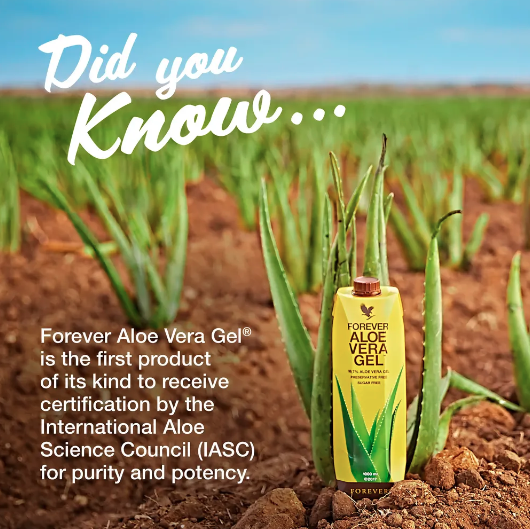
Forever Living’s Aloe Vera is unique because it’s harvested at the peak of freshness, stabilized for maximum potency, and free from additives or fillers. Every bottle of Forever Aloe Vera Gel is certified by the International Aloe Science Council for purity and quality, giving you the confidence that you’re using the very best aloe vera available. Whether you’re applying it topically or drinking it daily, Forever Aloe Vera offers powerful anti-inflammatory benefits you can trust.
A Natural, Safe Anti-Inflammatory Option
Unlike traditional anti-inflammatory medications, which can come with a host of side effects, Forever Aloe Vera is gentle on the body and safe for daily use. If you’re looking for a natural, effective solution to combat inflammation—whether it’s joint pain, skin conditions, or digestive issues—Forever Aloe Vera is a must-have in your wellness routine.
Conclusion
The anti-inflammatory properties of Forever Aloe Vera Gel go beyond temporary relief. They work at a deeper level to calm, heal, and protect your body, inside and out. Whether you’re dealing with inflamed skin, sore joints, or digestive discomfort, Forever Aloe Vera Gel can bring soothing, long-lasting relief. Add it to your routine today, and experience the incredible healing power of nature’s ultimate anti-inflammatory remedy.













 Gut Health Matters