A few days ago, someone approached me and said,
“I can’t use aloe vera products. One time I got a bad sunburn, and I used an over-the-counter aloe vera gel. My skin had a terrible reaction! I think I’m allergic to aloe.”
I hear this kind of story more often than you’d think. Many people believe they’re allergic to aloe vera because they had a bad reaction after applying a commercial aloe gel. But here’s the real question: Was it the aloe vera that caused the reaction, or something else in the product?
The Truth About Aloe Vera Sensitivity
Aloe vera is known for its incredible healing and soothing properties. It’s been used for centuries to treat burns, wounds, and skin irritation. But like any natural ingredient, not all aloe products are created equal.

What most people don’t realize is that aloe vera has two main components:
- The Outer Leaf (Contains Aloe Latex) – This part contains compounds like aloin and anthraquinones, which can be irritating to some people. Aloe latex is known to cause skin reactions and even digestive issues when ingested in large amounts.
- The Inner Gel (Pure Soothing Goodness!) – This is the clear, nutrient-rich gel inside the leaf. It’s packed with vitamins, minerals, amino acids, and enzymes that nourish and hydrate the skin. Most people tolerate this part extremely well.
Why Did That Aloe Gel Cause a Reaction?
If you’ve ever had a skin reaction after using an aloe vera product, here’s what might have happened:
- It Wasn’t Pure Aloe Vera – Many store-bought aloe gels contain preservatives, fragrances, alcohol, and synthetic additives that can irritate the skin. Some even have very little real aloe vera in them!
- It Contained Aloe Latex – Some lower-quality aloe products include both the gel and the outer leaf, meaning you could be reacting to the latex rather than the soothing inner gel.
- Sunburned Skin is Extra Sensitive – If your skin was already damaged from a sunburn, it may have been reacting to any product—not just aloe vera.
Science Backs This Up
Studies have shown that true aloe vera allergies are rare. A report in the Indian Journal of Dermatology (2014) confirmed that pure aloe vera gel is generally safe, while the latex can be irritating. Another study in the Journal of Dermatological Treatment (2017) found that most skin reactions to aloe products were due to additives or the latex, not the aloe itself.
Studies suggest that most allergic reactions associated with aloe vera are due to compounds found in the latex layer of the leaf, not the inner gel. Aloe latex contains anthraquinones, which can be irritating to the skin and digestive system. However, the pure inner leaf gel—when properly processed—has been shown to be well-tolerated and beneficial for most people. Research also highlights aloe vera’s anti-inflammatory, wound-healing, and skin-soothing properties, making it a widely used natural remedy in dermatology and wellness.

How to Safely Use Aloe Vera (Even If You Think You’re Allergic)
If you’ve had a reaction in the past but still want to experience the benefits of aloe vera, here’s what you can do:
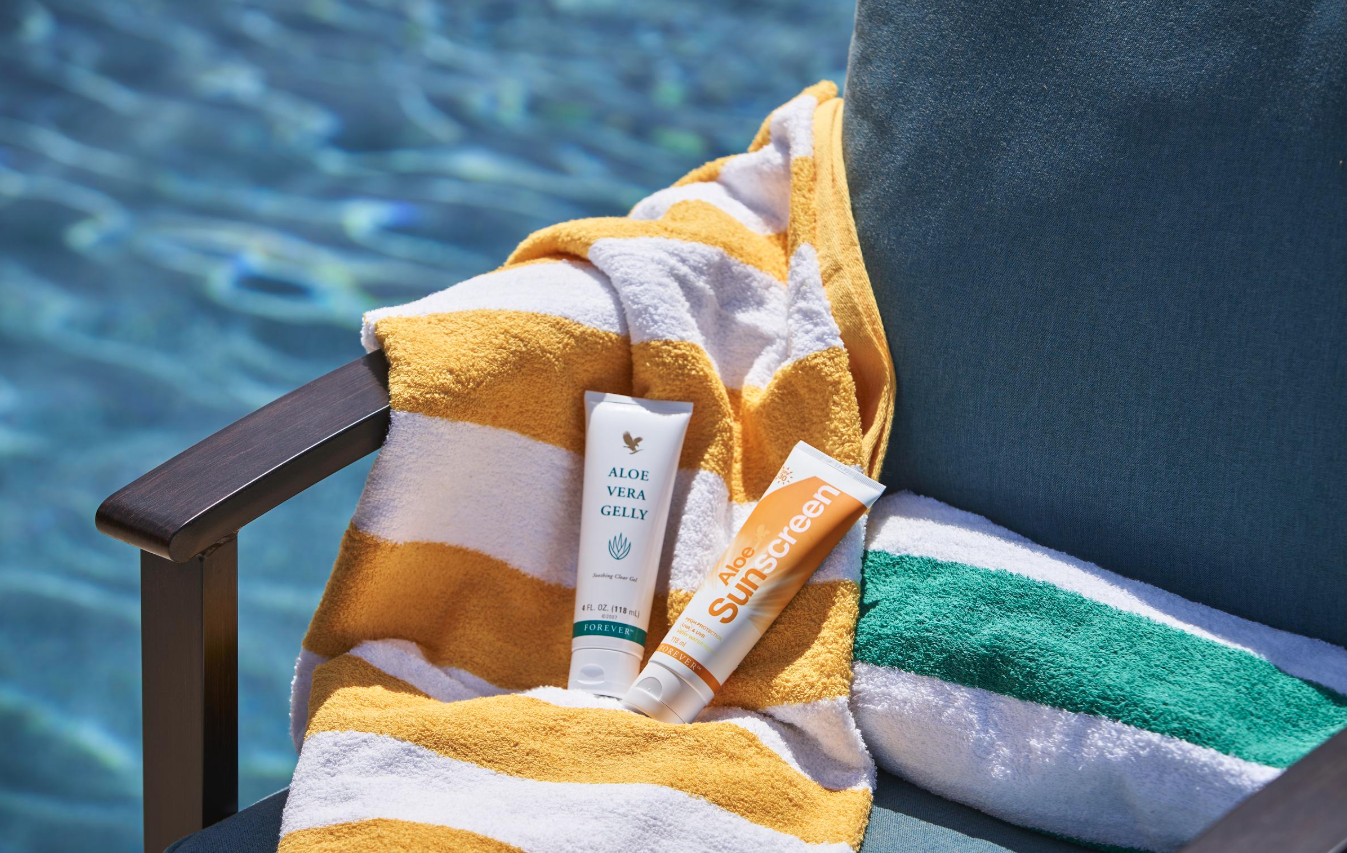
- Use Only High-Quality Aloe Vera – Look for products that contain 99%+ pure aloe vera gel and are free from unnecessary additives. I personally recommend Forever Aloe Vera Gel for internal use and Forever Aloe Vera Gelly for topical use – both made from the pure inner leaf without any latex.
- Do a Patch Test – Before applying aloe to a larger area, test a small amount on your inner arm and wait 24 hours. If there’s no reaction, you’re likely safe to use it.
- Avoid Products That Contain Aloe Latex – If the label says “whole leaf aloe”, it may contain latex, which can be irritating. Stick to inner leaf only.
Final Thoughts: Are You Really Allergic?
Before you swear off aloe vera forever, ask yourself:
- Was the product I used pure aloe vera, or did it contain other ingredients?
- Did it include the outer leaf, which has latex?
- Could my skin have been reacting to another factor, like sunburn or additives?
In most cases, people who think they’re allergic to aloe vera aren’t actually reacting to pure aloe gel, but rather to low-quality products or the irritating compounds found in the outer leaf.
So before you give up on aloe, make sure you’re using the right kind—because when it’s pure, it can truly be a game-changer for your skin.

Have you ever had a reaction to an aloe vera product? Let’s talk about it in the comments!
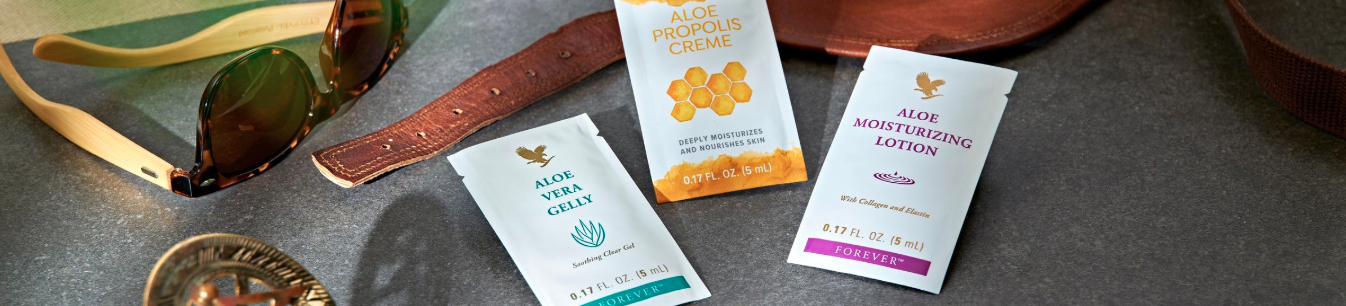
If you’re curious about trying pure, high-quality aloe vera for yourself, I’d love to send you a sample! Many people who thought they were allergic to aloe have been surprised by the difference when they use a pure, properly processed aloe vera gel. If you’d like to experience it firsthand, just let me know, and I’ll be happy to send you a sample to try. Feel free to reach out, and let’s see if aloe can work wonders for your skin! (fill out the form below)



If you’re interested in learning more about aloe vera allergies and what might be causing skin reactions, check out my other article here: Unveiling the Aloe Vera Enigma: A Deep Dive into Its Dual Nature and Latex Allergy Concerns
DISCLAIMER
Forever makes no claim that its products cure or prevent any diseases or are a substitute for medical advice or therapy. Individual results may vary.






 Gut Health Matters