
“ALOE? Doesn’t it cause allergies, act as a laxative, or even worse—according to some reports—pose a cancer risk?”
Confusion abounds, especially among those unfamiliar with the full story. But here’s the good news: I’m thrilled that subpar, low-quality supplements are finally facing scrutiny and bans!
For centuries, the gel-like pulp of aloe vera has been celebrated worldwide for its healing powers. This isn’t new knowledge—aloe has long been prized for its rejuvenating and health-boosting effects on skin, hair, digestion, bones, the urinary system, and immunity. In traditional folk medicine, it was a go-to remedy for countless ailments, often hailed as a natural cure-all.
By the 19th century, mainstream medicine recognized aloe primarily as a laxative. But here’s where the plot twists: a game-changing discovery revealed that the unwanted side effects—like irritation or purging—stem solely from the leaf’s outer skin. These culprits are compounds called anthraquinones, which pack a punch: they’re potent laxatives, irritants, and allergens. For years, the medical world wrongly assumed this was aloe’s whole story.
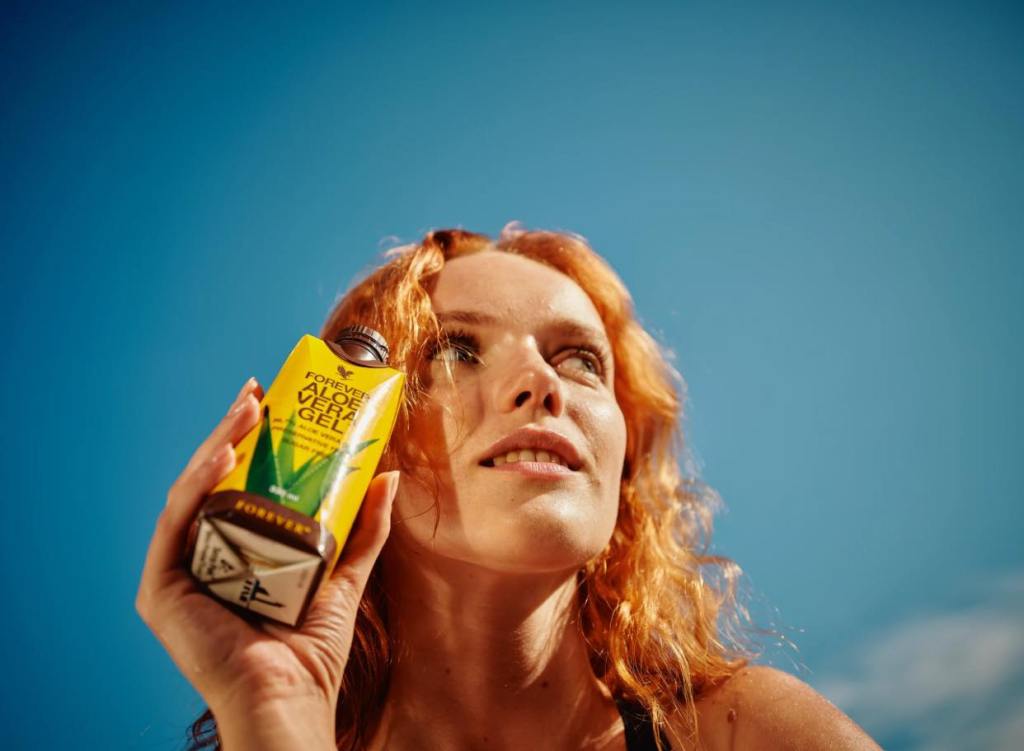
The Truth Unveiled
Science has since set the record straight. When you strip away the skin, aloe’s inner gel loses all those harsh properties—and reveals a treasure trove of benefits. This pure, jelly-like core contains over 200 biologically active compounds! Here’s what it can do:
- Acts as an adaptogen—recognized by the WHO as one of nature’s most potent anti-inflammatory and bioactive plants.
- Boosts immunity.
- Balances metabolism.
- Stabilizes blood sugar levels.
- Enhances digestion and gut health.
- Speeds up skin regeneration.
- Fights bacteria, fungi, inflammation, and viruses.
- Delivers nutrients deep into the skin (absorbing 4x faster than water!).
- Provides antioxidant protection.
- Improves mineral absorption in the intestines.
The list could go on. Aloe is a genuine gift from nature . For a deep dive backed by research, I recommend Aloe Every Day by Dr. Elżbieta Olejnik—a fantastic resource with scientific references.
The Catch: Not All Aloe Is Created Equal
So what’s the deal with those harmful substances flagged by reports, like Poland’s GIS? They’re real—aloin, emodin, aloe-emodin, and dantron—but they’re only found in the leaf’s skin, not the precious inner gel.
Here’s the harsh reality: the market is flooded with aloe products, many of which barely deserve the name. Some manufacturers cut corners by grinding up the entire leaf—skin and all—or poorly processing it, leaving traces of those toxic compounds. Others dilute it, heat-treat it, or pasteurize it, killing off the active ingredients. The result? A cheap, ineffective, or even harmful product. Ever notice how pharmacy aloe often warns against long-term use? That’s because lingering aloin or emodin can damage your stomach lining over time.
The takeaway? Be a savvy consumer. Quality matters more than quantity. I’m all in for QUALITY—100%.

Forever Living: The Aloe Experts
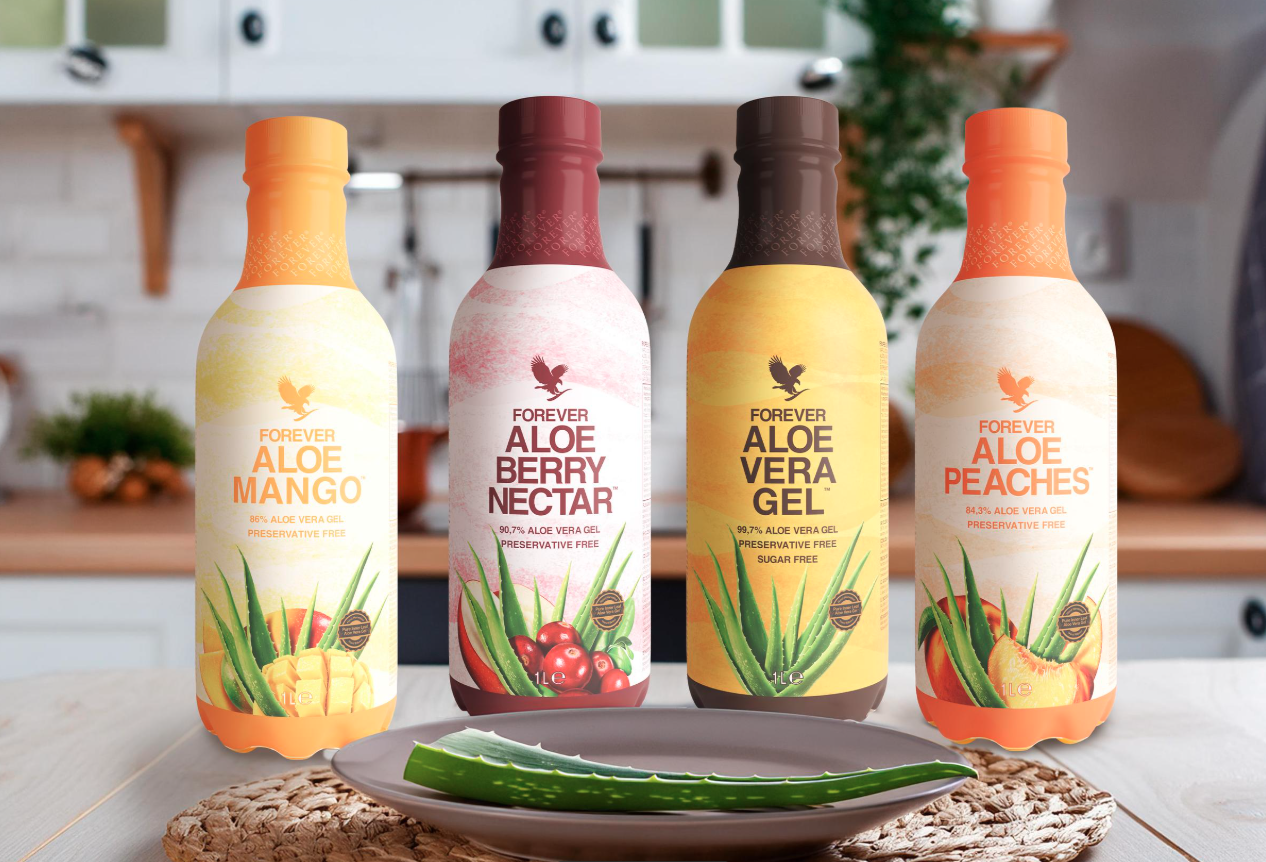
For over 47 years, Forever Living has set the gold standard in aloe production. Their process? Hand-harvested, hand-filleted leaves, meticulously stripped of skin to deliver pure, potent gel—free of harmful substances. This isn’t just a claim; it’s backed by the annually renewed IASC (International Aloe Science Council) Certification. (Pro tip: Always check for this seal when buying aloe products!)
Beyond that, Forever’s products carry a slew of rigorous global certifications, reflecting top-tier quality and production standards. How do they pull it off? They own over 85% of the world’s aloe fields, control the entire process from plant to product, and invest heavily in research, experts, and cutting-edge methods.
In their products, the first ingredient isn’t water—it’s cold-stabilized, skin-free aloe gel. Here’s how it works: each leaf, after four years of soaking up nutrients in pristine conditions, is hand-cut and hand-filleted to extract only the pure, bioactive pulp. The skin? It’s recycled as natural fertilizer for their fields. Small detail, massive impact.
The Bottom Line
Aloe isn’t a one-size-fits-all wonder. Its benefits—or risks—depend entirely on how it’s handled. Choose wisely, because when it comes to aloe, quality isn’t just a buzzword—it’s everything.












 Gut Health Matters