In the ever-expanding world of wellness habits, two natural remedies continue to spark heated debate: drinking baking soda and drinking pure aloe vera gel. Both have loyal followings and centuries-old reputations. But is one healthier than the other? And more importantly, is it actually safe to drink either of them every day?
Let’s break it down: benefits, risks, and what you need to know before adding either to your morning glass.
Option 1: Drinking Baking Soda Daily
What it is: Baking soda (sodium bicarbonate) is a natural compound with alkaline properties. It’s been used for decades as a remedy for heartburn, acid indigestion, and even athletic performance.
✅ Potential Benefits
Temporary Acid Reflux Relief:Neutralizes stomach acid and provides quick relief for occasional heartburn. Not recommended as a permanent solution for acid reflux.
Alkalizing Effect:Some people believe it helps balance the body’s pH (though the body tightly regulates pH on its own).
Workout Recovery:In sports science, baking soda is sometimes used to reduce lactic acid buildup during high-intensity workouts.
⚠️ Risks and Safety Concerns
Risk of Alkalosis: Overuse can disturb the body’s pH balance, leading to a rare but dangerous condition called metabolic alkalosis.
Worsen Acid Reflux: Regular drinking baking soda will lower stomach acid too much, which can impair digestion and weaken the muscle that prevents acid rising into the esophagus.
High Sodium Load:Just ½ teaspoon contains around 600mg of sodium. Daily use can increase the risk of high blood pressure, water retention, and kidney strain.
Disrupts Gut Balance:While it may reduce stomach acid temporarily, long-term use can impair digestion and reduce the body’s ability to absorb nutrients.
🚫 Not Recommended For
People with hypertension, kidney issues, heart problems, or those on sodium-restricted diets. It’s also not recommended for long-term daily use without medical supervision.
Option 2: Drinking Pure Aloe Vera Gel Daily
What it is: When extracted properly from the inner part of the aloe vera leaf (not the outer latex), aloe vera gel is rich in water, vitamins, enzymes, and polysaccharides. It’s been used for centuries for both internal and external healing.
✅ Potential Benefits
Digestive Support: Helps soothe the stomach lining, supports regular bowel movements, and promotes a healthy microbiome.
Hydration & Detox:Aloe’s water-rich content supports deep hydration and may assist the body’s natural detox systems.
Skin Health: Supports skin from the inside out by reducing inflammation and improving moisture retention.
Immune & Anti-Inflammatory Support: Contains vitamins A, C, E, and B12, along with enzymes and amino acids that support immune response and reduce inflammation.
Blood Sugar and Cholesterol Support: Early studies suggest aloe vera gel may help regulate blood sugar and improve lipid profiles over time.
⚠️ Risks and Safety Concerns
Quality Matters:Not all aloe is safe. Aloe that contains aloin (from the outer leaf latex) can cause cramping, diarrhea, and even liver damage. Always choose decolorized, purified, certified inner leaf gel.
Pregnancy Caution: Not recommended during pregnancy without consulting a doctor.
Allergic Reactions: Rare, but possible, especially in people allergic to onions or garlic.
✅ Generally Safe For:
Most healthy adults, when consumed in small daily amounts (typically 1-2 oz or 30-60 ml). Choose certified inner leaf aloe vera with no latex, no added sugar, no preservatives.
Final Thoughts: Which One Wins
If you’re choosing a daily wellness drink, pure aloe vera gel (inner leaf only) comes out far ahead. While baking soda has a place for occasional relief, it’s not ideal for regular use, especially considering the sodium load and potential side effects.
Aloe vera, on the other hand, offers gentle, full-body support, from digestion to skin to hydration, when sourced safely and consumed moderately.
A Note About Aloe Vera Quality
If you’re curious about trying aloe vera gel, quality is everything. Look for: • Inner leaf only • Decolorized and purified • Certified for ingestion (IASC seal is ideal) • No added preservatives or sugars
One trusted source I personally recommend is Forever Living’s Aloe Vera Gel, it’s certified, safe, and trusted worldwide. I only recommend products I use myself, and this one checks every box for purity and potency.
Have you tried either of these daily wellness drinks? What’s your experience been like? Let’s chat in the comments, I’d love to hear your thoughts.
Aloe vera has been praised for its incredible health benefits, from supporting digestion to boosting the immune system. But one of the most common questions people ask is: How much aloe should I drink daily? Let’s break it down and make it simple.
How to Start Drinking Aloe Vera?
If you’re new to aloe vera gel, you don’t need to rush into drinking large amounts. Here’s a good starting point:
Standard recommendation: 4 oz (½ cup) or 100 ml per day – half in the morning half ant night.
How much I drink: ½ mini bottle (about 165 ml).
Some people drink a whole mini bottle per day (330ml) – and that’s completely fine! My family did that for a long time before settling on ½ mini per day.
If your health is compromised (e.g., recovering from an illness, chemotherapy, or a weakened immune system), it’s best to start slow:
First week: 1 tablespoon twice a day
Each following week: Double the amount until you reach the recommended daily intake.
Dr. Olejnik suggested this approach to my cousin after chemotherapy to avoid shocking the system. It’s understandable—when the immune system is weak, gentle introduction is key.
When Should You Drink Aloe Vera?
Timing matters! Here’s how to make the most of your aloe:
With meals: Helps keep aloe in the digestive tract longer, improving gut health and supporting digestion.
First thing in the morning on an empty stomach: If you’re dealing with constipation or obstruction, this is the best way to get things moving.
When taking medicine or supplements: Aloe can enhance nutrient absorption, making sure your body gets the most out of them.
Throughout the day: You can divide your daily intake into two portions, drinking it morning and evening.
Hydration Is Key!
Aloe vera has powerful detoxifying properties, so it’s crucial to drink plenty of water throughout the day. Think of it like getting a massage—your body releases toxins, and you need to flush them out.
Boosting Your Aloe Drink
For an extra health boost, try adding ARGI+ to your aloe vera gel. ARGI+ contains L-arginine and essential vitamins that support circulation, energy levels, and overall wellness. It pairs perfectly with aloe to give your body even more benefits.
Is Drinking One Mini Bottle a Day Too Much?
Not at all! 330ml per day (one mini bottle) is a great amount to fully experience the benefits of aloe vera. Many people stick with this long-term, and it’s a safe and effective daily habit.
New to Aloe Vera? Start Slow Before Starting a Detox Program
If you’re considering one of our detoxifying programs, it’s important to first get familiar with aloe vera. We recommend starting to drink aloe as outlined here for about a week or two before beginning your cleanse. This allows your body to adjust and ensures that you’re ready to experience the full benefits of the detox program.
Final Thoughts
Drinking aloe vera gel daily can be a game-changer for your health. Whether you’re starting small or going for a full mini bottle, consistency is key. Find the best routine that works for you, listen to your body, and enjoy the many benefits that come with it!
Would you like to learn more about how aloe vera can support your health? Let me know in the comments!
The Phenomenon of Aloe Vera Pulp “Forever Aloe Vera” 2011-12-05 23:37:57 Prof. Dr. Hab. Grażyna Cichosz, Habilitated Professor, Olsztyn, August 2009 Faculty of Food Science University of Warmia and Mazury in Olsztyn
Aloe Vera vs. Civilizational Diseases
The healing properties of the pulp from the common aloe plant, Aloe Vera, have been known for centuries in various regions of the world. It was believed that aloe prevents hair loss, rejuvenates, and promotes health for the skin, digestive system, skeletal system, urogenital system, and immune system. Therefore, in folk medicine, it was used as a cure-all for various ailments. In official medicine in the 19th century, aloe was treated as a laxative and purgative.
All the long-known health benefits of aloe were confirmed in scientific research, including American studies conducted in the 1930s. Soviet scientists contributed significantly more in this area. Biostimulated aloe by Professor Filatov (known as Biostymin) found widespread use in the treatment of diseases, especially those involving continuous stimulation of the central nervous system, such as sciatica, ulcers, vascular spasms, hypertension, sleep disorders, etc. According to Filatov, determining the specific effects of aloe’s components on the body is not impossible. What is certain, however, is that aloe pulp regenerates vital forces and enhances the effectiveness of treatment by classical methods.
Thanks to the use of the latest analytical techniques in the 1980s and 1990s, the chemical composition of aloe was thoroughly examined, and around 200 biologically active components were identified and characterized. Their extensive health-promoting properties were confirmed in clinical studies on both animals and humans.
The phenomenon of the health-promoting effects of aloe pulp lies in the quantity and diversity of biologically active compounds, as well as the presence of specific biostimulators that synergize with the bioactive components present in both the aloe pulp and the human body. The presence of biostimulators has not been found in any other natural plant products.
Is It Worth Using Aloe Pulp?
The human body is a perfect, self-regulating system that always strives for a state of balance (so-called homeostasis), which equals health. However, maintaining homeostasis in the body requires a balance of essential components, especially bioactive elements in our food. Any deficiencies, whether qualitative or quantitative, as well as an excess of any dietary component, can lead to various metabolic disorders.
The increasing prevalence of diet-dependent metabolic disorders (obesity, diabetes, hypertension, atherosclerosis, neurological diseases, cancer) is the best proof that the commonly adopted “Western” diet does not meet the need for biologically active compounds that act as biocatalysts in the metabolic processes continuously occurring in the human body. The deficiency of these biocatalysts (vitamins, minerals, trace elements, antioxidants, enzymes) in food is a consequence of their elimination during technological processes, as well as prolonged storage of food products (as required by retail chains). Highly processed, so-called convenient food, has minimal biological value. Yet, our health is 70% dependent on diet.
The health status of the population in the wealthiest countries of the world demonstrates that the “Western” diet, as well as dietary recommendations promoted for over 40 years, do not support health but rather the opposite. Dietary recommendations focused on the nutritional value (amount of protein, sugars, fats) and caloric content of foods but did not take into account the biological value of food, which is determined by the presence of vitamins, enzymes, minerals, flavonoids, anthocyanins, carotenoids, etc., which are only found in biologically active natural foods.
The so-called Western diet, rich in oxidizable vegetable fats, artificial trans isomers (found in margarines and products made with them), full of simple sugars but low in fiber, vitamins, minerals, trace elements, and other biologically active components, does not promote health—quite the opposite.
The Necessity of Dietary Supplementation
Following a well-balanced diet can prevent the majority of metabolic disorders. However, this is not easy in a world where biologically active natural food is losing out to highly processed “convenient” food, which, despite being a source of basic nutritional components, offers minimal biological value. Moreover, the functional additives present in convenient food (preservatives, hydrocolloids, colorants, flavoring substances) limit the bioavailability of biologically active dietary components.
The pharmaceutical industry offers a plethora of supplements for various purposes, specifically designed for different age groups. Unfortunately, the bioavailability of chemically synthesized vitamins and minerals is generally quite low—around 10%. High bioavailability of essential metabolic biocatalysts requires their combination with proteins, peptides, or amino acids. In this form, all vitamins, minerals, and trace elements are found in natural products such as vegetables, fruits, and aloe vera. An additional advantage of natural products is the optimal balance of biologically active components and the synergistic interactions between them. As a result, with significantly smaller amounts of natural supplements (e.g., aloe vera pulp), we achieve far superior health benefits compared to using chemically synthesized pharmaceutical products, which can also cause various side effects.
Both in the prevention and treatment of various metabolic disorders, dietary supplements are necessary. There is no doubt that the health-promoting effects of natural plant ingredients are more effective than pharmaceutical products obtained through chemical synthesis.
Aloe Vera Pulp and Metabolic Disorders
Thanks to the presence of numerous components with high biological activity, aloe vera pulp very effectively stimulates human metabolism (research by Professor Filatov). Aloe vera’s impact on the functioning of the digestive tract is extremely important, as it is known that 70% of acquired immunity is generated there.
The Effects of Aloe Vera Pulp on the Digestive System
The most important factor ensuring the proper functioning of the digestive system is the acid-base balance. Proteins and minerals present in aloe vera pulp help prevent hyperacidity due to their buffering properties. Unlike the pharmaceuticals recommended for hyperacidity, aloe pulp does not bind hydrochloric acid nor hinder digestion processes—rather, it enhances them. Digestive enzymes, minerals, and vitamins in aloe stimulate enzyme activity. Aloe pulp positively affects the entire digestive system by regenerating the stomach’s mucous lining, which is exposed to hydrochloric acid and digestive enzymes, and regulating digestive processes in the intestines.
The beneficial effects of aloe pulp on intestinal function include the elimination of chronic constipation, stimulation of the body to remove toxins, and maintaining a healthy bacterial balance in the colon. Due to its anti-inflammatory, antibacterial, and antifungal properties, aloe pulp acts as a natural antibiotic. Its active ingredients inhibit the growth of various pathogens such as streptococci, Candida Albicans yeast, staphylococci, and Helicobacter pylori, which cause stomach ulcers. In vitro studies have shown that fresh aloe vera juice inhibits the growth of typhoid bacteria (Salmonella typhi and Salmonella paratyphi) and dysentery (Shigella). The bacteriostatic and anti-inflammatory effects are mainly due to anthraquinones and salicylic acid. Aloe polysaccharides indirectly exhibit antimicrobial action by stimulating the growth of probiotic microflora, which inhibits the growth of bacteroides, clostridia, and fusobacteria.
Aloe vera pulp specifically regulates the intestinal microflora, acting bacteriostatically on pathogenic microorganisms while stimulating the growth of probiotic lactobacilli strains. It also acts as a mild laxative, helping to eliminate chronic constipation by normalizing bowel pressure and water content in stool. Aloe pulp is useful in treating stomach ulcers, often caused by Helicobacter pylori, and its health-promoting effects include:
Pain relief (anti-inflammatory action of salicylic acid, anthraquinones, and saponins; buffering digestive juices)
Facilitating food digestion (enzymes)
Antimicrobial action (anthraquinones and salicylic acid)
Accelerating the healing of erosions and ulcers (saponins, zinc, magnesium).
Similarly, aloe pulp aids in the treatment of irritable bowel syndrome (IBS), Crohn’s disease, and ulcerative colitis.
Aloe Vera Pulp in the Prevention of Obesity and Diabetes
Obesity and diabetes are currently the most common metabolic diseases. There is no doubt that their primary cause is an excess of simple sugars in the diet.
Simple sugars create a metabolic trap by: inhibiting energy production, blocking enzymes that hydrolyze fats, and increasing insulin levels, leading to the continuous accumulation of fat tissue. Weight loss is only possible with low insulin levels (only then is the triglyceride lipase enzyme active), which can be achieved quickly by completely eliminating both simple and complex sugars from the diet.
Aloe vera pulp is very useful in both the prevention and treatment of obesity and diabetes. Some of its components regulate insulin secretion, resulting in stabilized blood sugar levels. The most important of these components is calcium (a minimum of 400 mg is required in the diet), which increases tissue sensitivity to insulin, limits the synthesis of fatty acids, and activates the release of excess triglycerides from fat cells. In addition to calcium, chromium is essential for regulating carbohydrate metabolism, as it works synergistically with insulin to lower blood sugar levels. Vitamin B6 also works synergistically with chromium.
The ability of aloe vera pulp to regulate blood sugar levels has been confirmed in clinical studies conducted in India. A total of 5,000 patients (two-thirds of whom were diabetics) suffering from coronary heart disease were studied. All patients consumed 100 grams of fresh aloe vera pulp and 20 grams of a traditional constipation remedy used in Indian medicine daily. After two months, blood sugar levels (both fasting and post-meal) returned to normal in all but 177 patients. Aloe vera pulp helps regulate sugar metabolism in the human body due to its calcium, chromium, and B vitamin content.
Aloe Vera Pulp in Cardiovascular Diseases
In the clinical studies cited above, it was proven thataloe vera pulp can treat the cardiovascular system.Of the 5,000 patients involved in the clinical trials, 2,100 individuals (mostly men) suffered from hypertension and coronary artery disease. After just two weeks of treatment with aloe vera pulp, the patients exhibited a positive response: symptoms of angina subsided, blood pressure decreased, and overall well-being improved. After three months of therapy, most patients (except for 348) had a normalized electrocardiogram, including stress tests.
Aloe vera pulp works on the circulatory system in a comprehensive and versatile manner:
The regulation of blood sugar levels, which prevents diabetes, reduces the risk of heart disease by up to four times.
Blood pressure reduction is influenced by the enzyme bradykinase and arginine (which produces nitric oxide), preventing the narrowing of blood vessels—even during stress. Calcium citrate also works similarly, additionally preventing heart muscle arrhythmia.
Salicylic acid, similar to aspirin, dissolves atherosclerotic plaques that block blood flow in the vessels.
Anthraquinones and salicylic acid reduce inflammation in the blood vessels.
Minerals, trace elements, and vitamins enhance metabolism, accelerating the processes of regeneration and renewal of endothelial cells in blood vessels.
Application of Aloe Vera Pulp in Skin Diseases
The appearance of the skin and hair reflects the overall health condition. The skin is one of the most extensive tissues in our body, with a total surface area reaching up to 2 m² (the surface area of the intestines is 100 times larger). The greatest diversity of microflora is not found in the intestines but on the skin. The skin is an incredibly important organ, serving as a protective barrier, a secretory organ, a sensory organ, and a heat regulator. It is composed of several layers: the epidermis with its appendages (hair, nails, sebaceous, and sweat glands), the dermis (mainly connective tissue made of collagen fibers), and the subcutaneous tissue (primarily adipose tissue).
The skin acts as a barrier protecting us from the external environment but is just as vital as the brain. Like the kidneys, intestines, or lungs, the skin is an organ of excretion. Most skin diseases are caused by metabolic disorders (poorly balanced diet, vitamin and mineral deficiencies, alcoholism, liver and kidney diseases, contact with toxic substances). By engaging in exercises that induce heavy sweating, using medicinal herbs, or visiting a sauna, toxins can be expelled through the skin.
A similarly effective cleansing effect, along with nourishing and regenerating benefits, can be achieved by using aloe vera pulp, which promotes the health of all skin layers in a comprehensive and versatile manner.
Aloe Vera Pulp Ensures Acid-Base Balance in the Skin
The slightly acidic (pH 4.8 – 5.5) reaction of the surface layers of the skin protects against bacterial infections and fungal growth. Unfortunately, staying in dry environments, smoking, stress, hormonal disorders, poorly selected soaps, shampoos, and other cosmetics, as well as an unhealthy diet, disrupt the skin’s acid-base balance. The acidity of aloe vera pulp is similar to that of the skin. For this reason, and due to its buffering properties, aloe is a fantastic regulator that corrects and stabilizes the skin’s acid-base balance. Penetrating deep into the layers of the epidermis, aloe vera pulp works for a prolonged period, facilitating the treatment of acne, cellulite, psoriasis, and other skin diseases.
Aloe Vera Pulp Provides Skin Cleansing
Dead cells that are not removed can block pores, facilitate fat accumulation, and impede blood flow to the surface layers of the skin, increasing the likelihood of bacterial and fungal infections. This issue also affects the hair-bearing skin. When hair follicles are blocked by dead epidermal cells, the sebaceous glands cannot function properly—the sebum is not secreted, leading to dry skin. As a result, dandruff forms, which can inhibit hair growth.
Unlike traditional methods of removing dead skin (such as using sea grass gloves, exfoliation, or brushing hair), aloe vera removes dead cells not only from the surface but also from the pores of the skin by penetrating its deeper layers. The proteolytic enzymes and salicylic acid present in aloe vera act keratolytically—facilitating the removal of dead epidermal cells. Unblocking the connections between the epidermis and the dermis improves blood circulation and nourishment of the skin and promotes the formation of new cells.
Aloe Vera Pulp Provides Deep Hydration
Proper water content is the most crucial factor determining the health of the skin, whether it is dry or oily. Research at North Texas Research Laboratories observed that aloe vera pulp penetrated the skin four times faster than water, delivering nutrients to the dermis and subcutaneous connective tissue. It improved microcirculation while also having an astringent effect. The astringent effect is beneficial for oily skin, while for dry skin, additional moisturizing with avocado, olive, or sweet almond oil is necessary. The astringent effect (altered arrangement of epidermal cells in the surface layer of the skin) is provided by polysaccharides in aloe vera due to their water-binding ability. By firming the epidermis, aloe vera pulp smooths and rejuvenates the skin while providing more effective protection against external factors.
One clinical study demonstrated that aloe vera pulp, when used in combination with vitamin E, facilitated its penetration into the deeper layers of the skin. Similarly, aloe vera enhances the penetration of bioactive ingredients from cosmetics as well as contaminants or bacteria from the skin's surface. Therefore, it is essential to thoroughly cleanse the skin before applying aloe vera pulp.
Aloe Vera Pulp Nourishes All Layers of the Skin
By removing dead epidermal cells and improving skin hydration, the absorption of nutrients is facilitated. The complex mechanism of penetration involves aloe vera pulp components penetrating the epidermis through intercellular spaces (via sweat glands) and cell membranes into the interior of the cells. Through diffusion, nutrients enter the blood and lymphatic vessels, thus reaching deeper layers. All layers of the skin—not only the surface but also the deepest layers—are additionally supported by aloe components (regardless of diet).
Aloe Vera Pulp Regenerates the Dermis and Epidermis
The action of aloe vera pulp is comprehensive. Upon contact with the skin, the salicylic acid and proteolytic enzymes have a keratolytic effect (causing redness and slight burning). This results in the loosening of tightly packed epidermal cells and facilitates penetration. Polysaccharides act as carriers of biologically active ingredients and water into deeper layers of the skin. Nutrients delivered with polysaccharides stimulate the formation of fibroblasts. Fibroblasts are connective tissue cells found in the dermis. Their role is to produce collagen—a fibrous protein that forms the main supportive component of connective tissue. Clinical studies have shown that aloe vera pulp accelerates fibroblast formation in human skin by 6 to 8 times, affects fibroblast cohesion, and most importantly, speeds up collagen production.
Through the accelerated production of fibroblasts and the increased collagen production by these cells, aloe vera pulp strengthens the supportive connective tissue. Additionally, cells supplied with water and nutrients increase in volume. This results in noticeable skin smoothing, reduction of existing wrinkles, and intensified metabolism, which is equivalent to slowing down the skin aging process. There is no doubt that aloe vera pulp stimulates skin renewal and function.
Aloe Vera Pulp Treats Burns, Frostbite, and Inactivates Toxins
In 1980, research at the Chicago Burn Center aimed to develop a more effective method for continuing treatment of severe burns after initial treatment. The longer inflammation persists at the site of a burn, the more irregular the scar will be. It has been proven that aloe vera pulp applied to burns and scar tissue is as effective as penicillin. Its effectiveness in treating thermal and sunburns, as well as frostbite, is due to the anti-inflammatory and antimicrobial properties of salicylic acid and anthraquinones, as well as the improvement of microcirculation through bioactive components penetrating deep layers of the skin. Similarly, aloe vera pulp quickly alleviates the effects of insect bites.
Natural aging processes, environmental factors (sunlight, cold, wind), hormonal disturbances due to various diseases and stress, and all kinds of stimulants result in decreased collagen production by fibroblasts. A regular, stress-free lifestyle and a modest (but based on biologically active) diet provide better results than the most expensive cosmetics. This is confirmed by the excellent complexion of elderly nuns who never cared for their appearance. However, a stress-free lifestyle free of environmental and dietary threats is unlikely for most people. Therefore, it is worth supplementing with the gifts of nature. Aloe vera pulp is undoubtedly one of them.
Of course, the effects of aloe vera treatment should not be expected after just a few days, especially with years of neglect and skin damage. The recovery period for epidermal skin cells is about 4 weeks. Only after this time can you expect the first results from regular aloe vera treatment.
The Effect of Aloe Vera Pulp on the Immune System
Our health largely depends on the efficiency of the immune system. Its role is to protect against various infections by recognizing and identifying threats (bacteria, fungi, viruses, damaged cells, e.g., from radiation or chemotherapy, due to mutations). Macrophages (known as phagocytes) are responsible for destroying these threats, a process called phagocytosis. Unfortunately, with age, the phagocytic activity of macrophages decreases. Degenerated or overloaded with waste products, macrophages lose orientation and often begin to produce antibodies against their own body’s structures (autoimmune diseases). Aging of the immune system leads to increased susceptibility to various infections, autoimmune diseases, and cancers.
However, the most common immune system disorders are allergies. The problem of allergies has intensified over the past few decades, affecting over 20% of industrialized societies. The most common causes of allergies are overuse of antibiotics and the presence of numerous new chemical compounds in the environment that weaken the immune system. For these reasons, the issue of immune system stimulation concerns not only the elderly but also young people, especially those with allergies, diabetes, and metabolic disorders.
Some components of aloe vera pulp act as natural immunostimulants, stimulating the immune system to work more effectively. These include polysaccharides such as karisin and acemannan, as well as biologically active peptides.
KARISINis known for its antiviral properties and support of immune system function, and its immunostimulatory effects have been proven in mice. It has been shown that macrophages, in the presence of karisin, destroyed cancer cells 10 times more effectively than with standard pharmaceutical immunostimulants.
Clinical studies in AIDS patients have demonstrated that karisin strengthens the immune system by inhibiting the spread of HIV. Promising results have been observed where traditional AIDS medications were replaced with isolated karisin. Administered in high doses (up to 250 mg four times a day) for 90 days, it resulted in radical improvement (reduction of fever, inhibition of diarrhea) in 6 out of 8 patients participating in the experiment. Karisin significantly alleviates clinical symptoms of AIDS in advanced stages of the disease. Its utility in treating other viral diseases, such as measles and herpes, has also been proven. Viruses attacking the liver are likely weakened by the anthraquinones and biologically active peptides present in aloe vera pulp, if not killed outright. The mechanism of virus neutralization involves the incorporation of karisin into cell membranes, which prevents viruses from attacking the cells.
ACEMANNAN in aloe vera pulp also shows antiviral and immunostimulatory properties. In blood samples from HIV-infected volunteers who were injected subcutaneously with 1 ml of aloe vera daily for 30 days, the presence of abnormal antibodies that supported the immune system was detected. HIV-infected patients are advised to undergo a treatment regimen involving aloe vera injections every other month for 3 years. Currently, clinical studies in Canada aim to inhibit the development of AIDS by administering isolated acemannan from aloe vera to patients.
However, neither aloe vera pulp nor juice is effective in combating established viral infections due to the low content of these polysaccharides. They are, however, sufficiently active to function preventively by activating the immune system (especially during seasonal viral infection threats) or as an adjunct to appropriate medications. This is particularly relevant since polysaccharides such as karisin and acemannan are not the only immunostimulants present in aloe vera pulp.
IMMUNOREACTIVE LECITINS and ALOCINS A and B are peptides found in aloe vera pulp with documented immunostimulatory effects. Their most valuable property is stimulating the growth and division of lymphocytes from groups B and T. These lymphocytes are involved in destroying cancer cells, cells infected with viruses, and cells altered by chemical agents (e.g., drugs). Additionally, B and T lymphocytes are essential in producing immunoglobulins and interferon, which blocks virus replication within cells. Due to their ability to bind with plasma proteins, immuno-lectins in aloe vera pulp can directly interact with all components of the immune system.
ARGININE, one of the amino acids present in aloe, also stimulates the immune system by increasing growth hormone secretion and enhancing the production of lymphocytes and macrophages.
The immunostimulatory effect of aloe has been confirmed in numerous clinical studies. Russian studies have demonstrated that aloe protects against toxic effects of poisons. Rabbits given aloe vera pulp for 30 days before being administered a lethal dose of strychnine survived the experiment, unlike those not given aloe. Aloe vera pulp affects the immune system by raising and regulating the body’s defensive and adaptive mechanisms to a physiologically appropriate level, i.e., as needed in a given situation (e.g., during illness). The activation of the immune system obtained through long-term aloe vera pulp administration persists even after discontinuation. This illustrates the adaptogenic properties of aloe vera pulp.
Aloe Vera Pulp in Cancer Prevention
In the fight against cancer, an orthomolecular diet can be helpful. The principle of this diet is the regulation of metabolic processes at the cellular level through biologically active components: vitamins, minerals, trace elements, enzymes, and bioflavonoids found in vegetables, mushrooms, and fruits. The orthomolecular diet provides comprehensive regulation of the entire metabolism and immune system, supporting the body in combating cancer and should be used regardless of the stage of the disease or the therapy applied. Regular use of the orthomolecular diet by healthy individuals is the most reliable, cost-effective, and effective method for preventing all metabolic disorders, especially cancers (only 20% of cancers are genetically determined).
Aloe vera pulp meets all the criteria of the orthomolecular diet. It is a source of 200 biologically active components, including 20 minerals, 18 amino acids, 12 vitamins, several enzymes, as well as anthraquinones, sterols, and organic acids. Among these components, several dozen exhibit immunostimulatory effects.
However, documented cases of cancer cures supported by an orthomolecular diet are few. Scientific studies regarding the usefulness of aloe vera pulp in cancer treatment are also limited and only concern skin cancers. Research aimed at finding therapeutic preparations to alleviate skin reactions to radiation therapy in patients has shown that an emulsion with Aloe Arborescens pulp was the most effective.
For this reason, studies are currently underway in Australia to assess the usefulness of aloe vera pulp in treating skin cancers.
Due to the presence of numerous immunostimulatory components and substances that inhibit mutagens, aloe vera pulp helps prevent cancer.
Nutritional Product: “Forever Aloe Vera”
Aloe Vera Gel is made from ground Aloe Vera leaf pulp, stabilized naturally and patented under U.S. patents No. 4178372 and No. 444613.
During the extraction process, the skin of the aloe leaves, which contains aloin and emodin—substances with irritating and laxative effects—is discarded. Pure aloe vera pulp is obtained from mature plants, at least three years old. It contains amino acids, a complete set of water-soluble vitamins, essential fat-soluble vitamins (E and A), minerals, trace elements, enzymes, polysaccharides, organic acids, and anthraquinones. All components of aloe vera pulp are water-soluble, thermostable, and do not become inactive in the acidic environment of the stomach. All—without exception—have biological activity, high bioavailability, and effectiveness in stimulating biochemical processes in the human body.
In 100 g of Aloe Vera Gel, you will find:
Aloe Vera Pulp: 97.4 g
Ascorbic Acid: 0.21 g
Sorbitol: 2.16 g
Sodium Benzoate: 9.0 mg
Xanthan Gum: 18.9 mg
Papain: 33.7 mg
Citric Acid: 60.3 mg
Potassium Sorbate: 87.3 mg
Tocopherol: 4.7 mg
The energy value of 100 g of Aloe Vera Gel is 50 kJ (12 kcal). The sodium benzoate content is within the permissible limits for preservatives added to food (Regulation of the Minister of Health of March 17, 2003, on permitted additives…). Aloe Vera Gel does not contain heavy metals: cadmium, lead, and mercury—most toxic to humans. It also does not contain residues of chemical plant protection agents: polychlorinated biphenyls, toxaphene, and chlordane—polychlorinated organic insecticides. It meets the requirements of the third edition of the European Pharmacopoeia of 1997 in this regard.
Forever Aloe Vera Gel meets all quality criteria thanks to the patented technology in the U.S. The manufacturer of Aloe Vera Gel is a world leader in organic aloe cultivation, aloe pulp production, and analytical control. The production process uses only the inner, gelatinous fraction of the aloe leaves. The outer green cover and the yellow subcutaneous layer, which contain aloin and emodin, are separated. As a result, aloe vera pulp contains only trace amounts of aloin—an average of 20 mg/kg.
A crucial stage in the production of Aloe Vera Gel is the stabilization process, which protects against oxidation and ensures high biological activity. The thickening process (2 to 10 times depending on the intended use of the aloe gel) is also conducted with consideration for the thermostability of the biologically active components of the stabilized gel. In a comparative test between stabilized Forever Living Gel and gel from raw, mature ALOE BARBADENSIS leaves conducted by the New York Food and Drug Control Laboratories, both products were rated as “essentially identical.” Thus, the final product in the bottle corresponds, in terms of chemical composition and, more importantly, biological activity, to the inner part of the leaves of the common aloe.
Forever Living Products' stabilized aloe gel has the same biological value and bioavailability as fresh pulp obtained from the inner gelatinous fraction of Aloe Vera leaves.
The outer green cover and the yellow subcutaneous layer of common aloe also contain biologically active compounds: aloin and emodin. Due to their laxative properties, their presence in aloe gel intended for drinking is undesirable. Aloin and emodin, once isolated from the outer leaf layer of common aloe, are used by the pharmaceutical industry as components of laxatives. In the food industry, aloin is used as a flavoring agent in alcoholic beverages (Regulation of the Minister of Health of September 4, 2008, on the use and labeling of flavorings).
The aloe pulp produced by Aloe Vera of America contains an average of 20 mg/kg of aloin. In pharmaceutical preparations, the content of various plant components with laxative effects, expressed as aloin, is 35 mg per tablet or 25 mg per dose (tablespoon) of syrup. To achieve a laxative effect, one would need to drink over a liter (specifically 1250 to 1750 ml) of aloe pulp with 20 mg of aloin per kg. Meanwhile, the recommended serving of Aloe Vera Gel is only 2 tablespoons daily, or 2 x 15 ml. This amount of gel contains 2 x 0.3 mg of aloin. In total, this is 40 to 60 times less than in one dose of a pharmaceutical preparation. Such an amount of aloin poses no health risk. Diluting the recommended portion of aloe gel (tablespoon – 15 ml) in 1 glass of water does not conflict with normative regulations regarding permissible aloin levels in food products.
Aloin is also used as a flavoring additive to beverages and alcoholic products in amounts ranging from 0.1 to 50 mg/kg. Thus, 100 g of alcohol may contain up to 5 mg of aloin—a quantity over 8 times greater than in the recommended portion of aloe pulp. The permissible aloin levels were set considering daily consumption, accounting for the risk in consuming larger quantities of beverages and alcoholic products.
Aloe has been classified by the European Council as a natural food additive source (category N3), thus it can be added to food products in the traditionally accepted form. Aloe pulp is not food. However, due to its unique health benefits, it should be used as a dietary supplement and as a complement to conventional therapy for metabolic disorders. It is an excellent source of biologically active components that stimulate both metabolism and the human immune system.
Aloe Vera Gel for Everyone – Forever
Numerous scientific studies on the biologically active components of Aloe Vera, as well as clinical research on animals and humans, indicate that aloe vera pulp:
Enhances the functioning of the digestive system
Regulates sugar metabolism, thus preventing obesity and diabetes
Provides comprehensive and versatile benefits to the cardiovascular system
Moisturizes, nourishes, and revitalizes the skin, and treats burns, frostbite, and insect bites
Activates the immune system, thereby supporting the body’s defenses against viral and bacterial infections
Neutralizes (inhibits) mutagenic compounds, which helps prevent cancer
Given these benefits, aloe vera pulp should be used as a dietary supplement with a wide range of health-promoting effects. Prevention is the simplest, most cost-effective, and, most importantly, the most effective way to maintain health and well-being for many years.

It is important to be aware that pharmaceutical companies are not interested in this, as intense competition among them drives the abandonment of well-known and widely used traditional remedies in favor of the latest-generation drugs that maximize profits. Traditional medicine requires extremely costly clinical trials, as prevention is not in the interest of pharmaceutical companies.

Therefore, it is essential to remember that our health is in our own hands.
Aging gracefully isn’t just about genetics or good luck—it’s about understanding what’s happening inside your body and taking control. After age 30, metabolism slows down, energy levels dip, and muscle strength begins to decline. But why?
There are four major culprits behind rapid aging: a compromised gut, lack of nutrients, toxins, and lack of exercise. Let’s break these down and explore how to tackle each one to reclaim your vitality and health.
The Compromised Gut
Your gut is more than a digestive system; it’s the command center for your overall health. When it’s out of balance, digestion suffers, energy plummets, and your immune system becomes vulnerable.
How to Combat This Enemy: • Include gut-healing foods like fermented vegetables, bone broth, and aloe vera, which soothes the gut lining and supports digestive health. • Use probiotics and prebiotics to restore balance and support healthy digestion. • Stay hydrated to keep your gut lining functioning properly.
Lack of Nutrients
Even with the best diet, modern food often lacks the essential nutrients your body needs. Over time, deficiencies in vitamins, minerals, and antioxidants accelerate the aging process.
How to Combat This Enemy: • Focus on nutrient-dense, whole foods like leafy greens, berries, and lean proteins. • Incorporate aloe vera gel or juice into your routine. Aloe vera is packed with vitamins A, C, E, and B, enzymes, amino acids, and minerals like calcium and magnesium. Plus, it enhances nutrient absorption in your gut, ensuring you get the most out of your meals and supplements. • Supplement wisely with high-quality products to fill any gaps in your diet.
Toxins
From the air we breathe to the food we eat, our bodies are bombarded with toxins every day. Over time, these toxins build up, straining your liver, kidneys, and immune system.
How to Combat This Enemy: • Drink aloe vera gel daily to support your body’s natural detoxification processes and cleanse your digestive system. • Switch to toxin-free personal care products. Forever Living offers aloe-based deodorants and fluoride-free toothpaste that are both effective and safe. • Avoid processed foods and artificial additives to reduce your toxic load.
Lack of Exercise
Movement is the fountain of youth. Without regular exercise, muscles weaken, metabolism slows, and joint health declines.
How to Combat This Enemy: • Aim for at least 30 minutes of physical activity daily—whether it’s walking, yoga, or strength training. • Incorporate resistance exercises to maintain muscle mass and bone density. • Stay consistent and choose activities you enjoy to make movement a lifestyle, not a chore.
Aging on Your Terms
You don’t have to let these four enemies rob you of your energy, strength, and vitality. By addressing a compromised gut, replenishing essential nutrients with help from aloe vera, detoxifying daily, and embracing exercise, you can age on your terms.
Start today—your future self will thank you! If you’re ready to take the first step, explore Forever Living’s aloe-based products to support your journey toward a healthier, toxin-free lifestyle.
Happy New Year, friends! It’s the perfect time to embrace change, refresh our bodies, and set the stage for a healthier, more vibrant life. On January 13th, we’re launching a Global Detox Challenge, and I want YOU to be part of this transformative journey.
This isn’t just another detox—this is a global movement. We’re coming together as a community to cleanse, reset, and recharge our bodies. The best part? You won’t be doing it alone. We’ll connect online via chat and Facebook, cheering each other on every step of the way.
Why Detoxing Matters
Dr. Sten Ekberg, a holistic doctor and former Olympic decathlete known for simplifying health topics like nutrition and insulin health, said it best:
“You are what you eat, minus what doesn’t get absorbed, plus the toxins produced by opportunistic bacteria.”
This quote perfectly sums up why detoxing is so important. Our bodies are constantly bombarded by processed foods, environmental toxins, and stress. Over time, these accumulate and impact our digestion, energy levels, and overall health.
What makes this cleanse truly effective is the inclusion of Aloe Vera, which not only supports the detox process but also enhances nutrient absorption, ensuring your body gets the most out of the nutrients you consume.
By completing this cleanse, we give our bodies the tools to: • Remove harmful toxins. • Improve nutrient absorption. • Reset our digestion and metabolism.
The Power of Clean 9
The Clean 9 program is a 9-day detox that combines the incredible cleansing properties of aloe vera gel with balanced nutrition. It’s specifically designed to flush out toxins, improve digestion, and kickstart weight loss.
Here’s how Clean 9 helps remove toxins: 1. Supports Your Liver: Aloe vera enhances liver function, your body’s natural detox center. 2. Cleanses Your Digestive Tract: It helps clear out waste and harmful bacteria. 3. Promotes Better Nutrient Absorption: Aloe vera optimizes gut health, ensuring your body gets the most from the food you eat.
The Role of Aloe Vera in Detoxing
Aloe vera is the star of the Clean 9 program for good reason: • rich in vitamins, minerals, and enzymes that support digestion • soothes the gut lining, promoting a healthy balance of bacteria • natural detoxifying properties help remove impurities from your body
Think of aloe vera as the ultimate assistant for your digestive system, ensuring everything flows smoothly and your body absorbs the nutrients it needs.
Why Join a Group Detox?
Detoxing as a group offers powerful benefits: 1. Accountability: You’re more likely to stick to your detox when you’re part of a supportive community. 2. Motivation: Share your wins, challenges, and tips with others who understand the journey. 3. Knowledge Sharing: Learn from the experiences and insights of others. 4. Fun: Detoxing together is energizing and empowering.
How to Join the Global Detox Challenge
This is a completely online event, so you can join from anywhere in the world! Here’s what to do: 1. Mark your calendar for January 13th. 2. Sign up by messaging me and joining our Facebook group chat. 3. Get your Clean 9 kit (no later than 1/7/2024) and be ready to start strong with the group.
If you’re ready to take control of your health and kick off the new year with purpose, don’t wait. Join us for this Global Detox Challenge and discover the power of aloe vera, Clean 9, and community support.
Drop me a comment, send me a message, or sign up directly on my blog. Let’s make this the year we prioritize our health and well-being.
When we think of chiropractic care, most of us associate it with treating back or neck pain. However, chiropractic medicine was originally developed to address a much broader spectrum of health concerns. Recently, I had the pleasure of listening to Dr. Ben Sweeney on his podcast, Recovering Wellness Hour, where he discussed natural treatments for peripheral neuropathy and the root causes of systemic inflammation.
Dr. Ben is more than a chiropractor—he’s an inspirational speaker who encourages patients and audiences to embrace a true wellness lifestyle. His approach not only focuses on managing symptoms but dives deep into addressing the underlying causes of chronic inflammation, which he identifies as a driver of modern health pandemics.
Inflammation: The Hidden Pandemic
Dr. Ben’s message is clear: our current health crisis stems largely from systemic inflammation, and much of it is tied to the foods we eat. Our diet, rich in convenience foods but poor in nutrition, has become a major contributor to chronic diseases like peripheral neuropathy. To combat this, Dr. Ben encourages us to “turn off our GPS”—a clever acronym highlighting three major dietary culprits: • G – Grains • P – Processed Foods • S – Sugar
Let’s explore why these foods are problematic and how avoiding them can reduce inflammation and improve overall health.
1. G is for Grain
Today’s grains are not the wholesome staples they were in the past. Modern grains are often laden with pesticides, gluten, and genetically modified organisms (GMOs), making them highly inflammatory.
Dr. Ben explained that grains quickly convert to glucose in the bloodstream, causing blood sugar levels to spike. This rapid conversion contributes to insulin resistance and systemic inflammation.
Here’s the breakdown: • Bread vs. Sugar: While table sugar (a mix of glucose and fructose) is processed differently than bread, bread can actually be worse for your body. Bread is primarily starch, which breaks down directly into glucose in the bloodstream, leading to an immediate and sharp blood sugar spike. Table sugar, by contrast, contains fructose, which is metabolized more slowly by the liver. The result? Bread can cause a more immediate insulin response, driving inflammation even faster.
In short, grains are not the nutritional necessity we once thought. Unlike proteins and fats—both of which are essential to human survival—there’s no such thing as an “essential carbohydrate.” We cannot live without “essential amino acids” (proteins) nor “essential fatty acids” (healthy fats) but we can live and thrive without carbs.
2. P is for Processed Foods
Processed foods are another major contributor to inflammation, particularly because of the oils they contain. Processed seed oils, such as canola oil (derived from rapeseed), are loaded with omega-6 fatty acids. While omega-6 is necessary in small amounts, excessive consumption drives inflammation.
Dr. Ben highlighted that many processed foods, even those marketed as “healthy,” contain these inflammatory oils. Instead, he recommends focusing on healthier fats like: • For hot cooking: Coconut oil and avocado oil. • For cold uses: Olive oil and grass-fed butter.
By replacing processed oils with these nutrient-rich options, you can significantly reduce systemic inflammation.
3. S is for Sugar
Sugar consumption has skyrocketed over the years, and the numbers are staggering. Today, the average person consumes about 10 times more sugar annually than previous generations. This “battery acid for your nerves,” as Dr. Ben calls it, is a primary driver of inflammation and chronic conditions like peripheral neuropathy.
Here’s why sugar is so harmful: • Sucrose and Fructose: Table sugar (sucrose) is made up of glucose and fructose. Glucose is absorbed directly into the bloodstream, while fructose is processed by the liver. Excess fructose can lead to fatty liver disease, insulin resistance, and chronic inflammation. • Obscene Quantities: The sheer volume of sugar we consume overwhelms our bodies, leading to a host of inflammatory conditions.
By dramatically reducing sugar intake, we can begin to reverse these effects and improve our health.
The Anti-Inflammatory Plate: What to Eat Instead
Dr. Ben recommends a simple but effective dietary framework: • Protein: High-quality sources like grass-fed meats, free-range poultry, and wild-caught fish. • Vegetables: Rich in fiber and antioxidants, they help combat inflammation. • Fruit: Natural sweetness in moderation. • Healthy Fats: Avocado, coconut oil, olive oil, and nuts.
He also emphasizes the 80/20 rule: Aim for 80% clean, whole foods and allow yourself 20% flexibility. This balanced approach makes long-term change more sustainable.
Adding Aloe Vera Gel to Your Routine
One of the most effective natural remedies for inflammation is Aloe Vera Gel. Packed with anti-inflammatory properties, aloe vera soothes the gut lining, supports digestion, and enhances nutrient absorption. Incorporating a high-quality aloe vera gel into your daily routine can significantly amplify the benefits of eliminating grains, processed foods, and sugar from your diet.
The Path to True Wellness
Dr. Ben’s Recovering Wellness Hour podcast is a wake-up call to all of us. Systemic inflammation is at the root of so many chronic conditions, but we have the power to reverse it. By eliminating grains, processed foods, and sugar—and adding nutrient-dense, anti-inflammatory foods like aloe vera—we can take control of our health.
Your gut health matters, and it’s the foundation of overall wellness. This isn’t about perfection; it’s about progress. As Dr. Ben says, “True wellness starts at the end of your fork.”
Let’s turn off our GPS and take the first step toward a healthier, inflammation-free life today.
To learn more about Dr. Ben Sweeney’s approach to wellness, visit his official website.
Aloe Vera has been renowned for its healing properties for centuries, especially for promoting skin health, aiding digestion, and boosting overall wellness. But not all Aloe Vera products are made equal. What sets Forever Living Products Aloe Vera Gel apart is its patented stabilization process. This unique approach ensures that FLP’s Aloe Vera Gel retains its maximum potency, offering unparalleled benefits. If you’re on the lookout for a natural, powerful supplement, here’s why FLP Aloe Vera Gel stands out and how it can elevate your health journey.
Why Forever Living’s Aloe Vera Stabilization Process Matters
Most Aloe Vera gels on the market lose their potency once exposed to air. Forever Living has overcome this challenge with their Aloe Vera gel stabilization process, which ensures the natural enzymes, vitamins, and nutrients in Aloe Vera remain intact. FLP only uses the inner leaf of the Aloe Vera plant, which is cold-pressed and preserved using a patented method without harmful chemicals. This process maintains the integrity of over 200 active compounds, including vitamins, minerals, amino acids, and antioxidants.
Top Benefits of Forever Living Aloe Vera Gel
Improves Digestive Health
Taking Forever Aloe Vera Gel daily can help soothe your digestive system, promoting regularity and improving nutrient absorption. The gel’s enzymes help break down sugars and fats, making it easier for your body to absorb essential nutrients.
Supports a Healthy Immune System
Aloe Vera is rich in antioxidants, which protect the body from oxidative stress. The immune-boosting polysaccharides in FLP Aloe Vera Gel strengthen the body’s defenses, keeping you healthier and more resilient.
Promotes Radiant Skin
Whether used topically or consumed, Aloe Vera Gel hydrates the skin, reduces inflammation, and encourages skin cell regeneration. It is especially beneficial for maintaining youthful, glowing skin.
Aids in Detoxification
Aloe Vera’s natural detoxifying properties help the body eliminate toxins. It’s a key ingredient in Forever Living’s popular Clean 9 and DX4 detox programs, which are designed to reset your system and kickstart weight loss.
Boosts Energy Naturally
Packed with essential nutrients, Forever Aloe Vera Gel helps combat fatigue, boosting your energy levels naturally. It’s an excellent addition to any wellness routine for those looking to stay active and vibrant throughout the day.
Supports Joint and Muscle Health
Aloe Vera’s anti-inflammatory properties are well-known, and consuming FLP Aloe Vera Gel may help reduce inflammation in joints and muscles, promoting flexibility and overall mobility.
Why Choose Forever Living Aloe Vera?
Forever Living’s Aloe Vera Gel is certified by the International Aloe Science Council for its quality and purity. Unlike many competitors, FLP uses only the inner leaf gel of the Aloe Vera plant, ensuring that you get the most potent and beneficial product possible. Additionally, their sustainable farming practices and eco-friendly production make it a top choice for health-conscious consumers.
How to Incorporate Aloe Vera Gel into Your Daily Routine
Using Forever Living Aloe Vera Gel is simple. You can drink it straight, mix it into your favorite smoothie, or combine it with other health products like Forever Active HA for joint support or ARGI+ for a natural energy boost. For maximum benefits, take Aloe Vera Gel consistently as part of your daily wellness routine.
Final Thoughts: The Forever Difference
When it comes to choosing an Aloe Vera product, there’s no comparison to Forever Living Aloe Vera Gel. With its patented stabilization process and focus on using only the highest-quality Aloe Vera, this product offers unmatched health benefits. Whether you’re looking to improve digestion, boost your immune system, or enhance your skin’s radiance, FLP Aloe Vera Gel is the perfect solution.
Start your journey to better health today with the power of Forever Living Aloe Vera Gel!
Get Your Gift
Fill out this form to receive your gift:
The List of Cleanest Products for Personal and Skin Care
Our bodies are incredibly powerful, self-regulating systems that constantly work to maintain balance and optimal health. One of the most critical processes for staying healthy is the body’s ability to eliminate toxins and waste. While our modern lifestyles often expose us to more toxins than ever before—through processed foods, pollutants, and everyday chemicals—our bodies have built-in elimination channels designed to manage and filter these substances.
By understanding and supporting these major channels of elimination, we can enhance our body’s natural detoxification process and improve our overall well-being. In this article, we’ll explore six essential detox pathways and why a regular, natural detox routine is crucial for keeping them functioning at their best.
1. Skin: The Body’s Largest Detox Organ
Our skin is not only the largest organ in the body but also one of the most vital when it comes to eliminating toxins. Sweating helps the skin release heavy metals, excess salts, and metabolic waste. However, modern living—such as exposure to synthetic skincare products, pollution, and even tight clothing—can clog pores and hinder this detox process. To support your skin’s role in detoxification, it’s essential to stay hydrated, use clean, non-toxic skincare products, and consider practices like dry brushing or using saunas to promote sweating. These methods can help open up the pores and encourage the release of toxins, leaving your skin clearer and healthier.
2. Respiratory System: Clearing the Air
Your lungs are responsible for one of the most critical forms of elimination: breathing out carbon dioxide. However, they also help eliminate other gaseous toxins we might inhale from pollution, cigarette smoke, and household chemicals. To keep your respiratory system functioning optimally, you can practice deep breathing exercises, get regular cardiovascular exercise, and spend time in clean, fresh air environments. Opening windows in your home and using air purifiers can also reduce indoor air toxins.
3. Lymphatic System: The Waste Transport Highway
Often overlooked, the lymphatic system is a critical detox pathway. It serves as the body’s waste removal system by transporting toxins from tissues and cells to be expelled. Unlike the circulatory system, which has the heart to pump blood, the lymphatic system relies on movement to function. This means regular exercise, stretching, and even manual lymphatic massage are key to stimulating the flow of lymph. Staying hydrated and incorporating dry brushing into your routine also helps your lymphatic system eliminate toxins more efficiently.
4. Colon: Clearing Waste from the Body
The colon is the body’s main elimination system for solid waste. When digestion is working optimally, the colon regularly clears out toxins and prevents them from being reabsorbed into the bloodstream. However, poor dietary choices, dehydration, and lack of fiber can lead to waste buildup, contributing to bloating, discomfort, and a sluggish system. To support your colon, focus on eating fiber-rich whole foods like fruits, vegetables, and whole grains. Drinking plenty of water and maintaining a healthy gut microbiome with probiotics can also improve digestion and regularity, keeping this vital elimination channel clear.
5. Liver: The Detox Powerhouse
The liver is one of the hardest-working organs when it comes to detoxification. It filters toxins from the blood, neutralizes chemicals, and breaks down harmful substances into forms that can be safely eliminated through the bile or urine. However, the liver can become overburdened by processed foods, alcohol, and environmental toxins. You can support liver function by eating foods rich in antioxidants, such as leafy greens, berries, and cruciferous vegetables (like broccoli and cauliflower). Reducing alcohol intake, avoiding processed foods, and incorporating liver-supportive herbs like milk thistle and turmeric can help this organ perform optimally.
6. Kidneys: Filtering Toxins from the Blood
Your kidneys filter toxins and waste from the blood, regulate fluid balance, and expel these harmful substances through urine. However, they require adequate hydration to function properly. Drinking plenty of water throughout the day is the best way to support your kidneys. Additionally, foods rich in potassium, such as bananas, avocados, and sweet potatoes, help maintain kidney function. Reducing your intake of sodium and avoiding processed foods can also support your kidneys in their critical role.
The Importance of Aloe Vera Gel Between Detoxes
In between structured detox programs, it’s highly recommended to regularly drink aloe vera gel to help support your body’s natural cleansing processes. Aloe vera is well-known for its ability to aid digestion, soothe the gut, and promote regularity. By incorporating aloe vera gel into your daily routine, you can keep your digestive system running smoothly, support your liver and colon, and provide a gentle, ongoing detox for your body. It’s a simple and effective way to maintain the health of your elimination channels while giving your body the extra boost it needs to stay clean and balanced.
Why Regular Detox is Crucial
Your body’s natural elimination channels work tirelessly every day, but modern living often puts an extra burden on them. From environmental pollutants to processed foods and stress, our bodies are exposed to more toxins than ever before. That’s why doing regular detox practices is so important. Natural detox programs help “reset” your body, assisting these filters in cleaning out built-up toxins and waste. Whether it’s a short detox plan focused on eating clean, hydrating, and supporting digestion or a more structured detox program, regular cleansing can significantly improve how you feel. Benefits can include improved digestion, clearer skin, better energy levels, and a stronger immune system.
How to Support Your Body’s Detox Channels
If you want to help your body’s natural detox process, consider incorporating these simple but effective practices into your lifestyle:
Drink plenty of water to keep your kidneys and colon functioning properly.
Eat a diet rich in fiber, antioxidants, and clean protein sources to support your liver and digestive system.
Incorporate movement, whether it’s walking, yoga, or exercise, to stimulate your lymphatic system and encourage detox through sweat.
Use natural, non-toxic skincare products and spend time in the sauna to help your skin detoxify.
By focusing on these daily habits and practicing regular detox routines, you’re giving your body the support it needs to function at its best.
If you’re looking for personalized guidance on starting a natural detox or want to learn more about detox practices that fit your lifestyle, feel free to reach out! I’m here to help you on your journey to better health and well-being.
With so many brands marketing aloe vera products, it can be overwhelming to determine which ones offer the true benefits of pure aloe vera gel. The term “aloe vera gel” is often used loosely, but not all products are created equal. This post will guide you through the key factors to consider and how to avoid being misled by tricky labeling and deceptive marketing.
Don’t Be Fooled by “Aloe Vera Juice” vs. “Aloe Vera Gel”
One common tactic some companies use is labeling a product as “aloe vera gel” when it actually contains aloe vera juice. Aloe vera juice is often made by diluting the gel with water, significantly reducing its concentration and effectiveness. For example, a product may claim to contain “99% organic aloe vera juice” but still market it as gel. In reality, thickening agents are often added to mimic the consistency of real aloe vera gel, making the product seem more authentic than it is.
The key takeaway here is to read the ingredient list carefully. Look for aloe vera gel, not juice, as the primary ingredient. A true aloe vera gel should list Aloe Barbadensis Leaf Gel as the main component, with minimal additives typically used for preservation.
Look for Products That Specify “Inner Leaf Aloe Vera Gel”
When choosing the best aloe vera gel, another important distinction is whether the product uses the inner leaf of the plant. The inner leaf contains the purest and most potent form of aloe gel, known for its superior healing and soothing properties.
Some companies go the extra mile by extracting only the inner leaf gel, ensuring a higher-quality product. However, other manufacturers may grind the whole leaf, including the outer part, which contains unwanted compounds like aloin. These impurities are removed later, but the process is less efficient. For the purest and safest form of aloe vera, choose products that specifically use inner leaf aloe gel.
Ingredient Transparency is Key
Be cautious of products with vague or deceptive labeling. It’s not uncommon for companies to boast that their product “contains aloe vera,” without specifying how much of it is genuine aloe gel. If the ingredient list contains a long list of thickening agents, and artificial preservatives, it’s a red flag. These unnecessary fillers dilute the aloe vera and reduce its effectiveness.
When checking the ingredients, here’s what you should look for:
Aloe Barbadensis Leaf Juice or Gel should be the first ingredient.
Minimal Additives: A high-quality aloe vera gel may contain a natural preservative like citric acid or ascorbic acid, but it should not have unnecessary fillers.
Look for Certifications
Certifications from credible organizations like the International Aloe Science Council (IASC) can help you verify a product’s purity and efficacy. These certifications ensure that the product meets strict quality standards, so always check for such seals to avoid falling for deceptive products.
The Importance of Understanding Labels and Why Regulatory Differences Matter
Understanding the difference between nutritional labels and supplement labels is crucial because these regulatory differences directly affect product quality. Products with nutritional labels are required to undergo stricter testing and provide a detailed ingredient breakdown. This gives you confidence that you’re purchasing a purer, more effective product.
Nutritional Labels: Found on food and beverage products, nutritional labels offer transparency about the contents and purity of the product. Products like those containing 99.7% inner leaf aloe vera gel typically have these labels, providing clear information about their composition.
Supplement Labels: These labels, found on health supplements, offer more flexibility to manufacturers and are not as strictly regulated. This means companies can use fillers and additives without fully disclosing the true content of the product, which can dilute the effectiveness of aloe vera.
By recognizing these regulatory differences, you can better evaluate the quality of the aloe vera gel you’re buying and avoid products with unnecessary additives.
Why This Matters
Aloe vera is known for its healing and soothing properties, especially for skin and digestive health. However, only high-quality, minimally processed aloe vera gel will deliver these benefits. Products that are diluted with water or filled with additives won’t provide the same results and could lead to disappointment.
Finding the best aloe vera gel requires attention to detail, but it’s worth the effort. Understanding the differences between nutritional and supplement labels, reading the ingredient list carefully, and looking for reputable certifications can help you avoid being misled by marketing claims. Always choose products with high percentages of inner leaf aloe vera gel and minimal additives to ensure you’re getting the best product for your health and make sure the nutritional (not supplement) label has been provided.
Remember, just because a product says “aloe vera” on the label doesn’t mean it’s pure. Take the time to research, and don’t be swayed by flashy packaging. By following these guidelines, you’ll be able to enjoy the full benefits of true aloe vera gel.
The Phenomenon of Aloe Vera Pulp “Forever Aloe Vera” 2011-12-05 23:37:57 Prof. Dr. Hab. Grażyna Cichosz, Habilitated Professor, Olsztyn, August 2009 Faculty of Food Science University of Warmia and Mazury in Olsztyn
Aloe Vera vs. Civilizational Diseases
The healing properties of the pulp from the common aloe plant, Aloe Vera, have been known for centuries in various regions of the world. It was believed that aloe prevents hair loss, rejuvenates, and promotes health for the skin, digestive system, skeletal system, urogenital system, and immune system. Therefore, in folk medicine, it was used as a cure-all for various ailments. In official medicine in the 19th century, aloe was treated as a laxative and purgative.
All the long-known health benefits of aloe were confirmed in scientific research, including American studies conducted in the 1930s. Soviet scientists contributed significantly more in this area. Biostimulated aloe by Professor Filatov (known as Biostymin) found widespread use in the treatment of diseases, especially those involving continuous stimulation of the central nervous system, such as sciatica, ulcers, vascular spasms, hypertension, sleep disorders, etc. According to Filatov, determining the specific effects of aloe’s components on the body is not impossible. What is certain, however, is that aloe pulp regenerates vital forces and enhances the effectiveness of treatment by classical methods.
Thanks to the use of the latest analytical techniques in the 1980s and 1990s, the chemical composition of aloe was thoroughly examined, and around 200 biologically active components were identified and characterized. Their extensive health-promoting properties were confirmed in clinical studies on both animals and humans.
The phenomenon of the health-promoting effects of aloe pulp lies in the quantity and diversity of biologically active compounds, as well as the presence of specific biostimulators that synergize with the bioactive components present in both the aloe pulp and the human body. The presence of biostimulators has not been found in any other natural plant products.
Is It Worth Using Aloe Pulp?
The human body is a perfect, self-regulating system that always strives for a state of balance (so-called homeostasis), which equals health. However, maintaining homeostasis in the body requires a balance of essential components, especially bioactive elements in our food. Any deficiencies, whether qualitative or quantitative, as well as an excess of any dietary component, can lead to various metabolic disorders.
The increasing prevalence of diet-dependent metabolic disorders (obesity, diabetes, hypertension, atherosclerosis, neurological diseases, cancer) is the best proof that the commonly adopted “Western” diet does not meet the need for biologically active compounds that act as biocatalysts in the metabolic processes continuously occurring in the human body. The deficiency of these biocatalysts (vitamins, minerals, trace elements, antioxidants, enzymes) in food is a consequence of their elimination during technological processes, as well as prolonged storage of food products (as required by retail chains). Highly processed, so-called convenient food, has minimal biological value. Yet, our health is 70% dependent on diet.
The health status of the population in the wealthiest countries of the world demonstrates that the “Western” diet, as well as dietary recommendations promoted for over 40 years, do not support health but rather the opposite. Dietary recommendations focused on the nutritional value (amount of protein, sugars, fats) and caloric content of foods but did not take into account the biological value of food, which is determined by the presence of vitamins, enzymes, minerals, flavonoids, anthocyanins, carotenoids, etc., which are only found in biologically active natural foods.
The so-called Western diet, rich in oxidizable vegetable fats, artificial trans isomers (found in margarines and products made with them), full of simple sugars but low in fiber, vitamins, minerals, trace elements, and other biologically active components, does not promote health—quite the opposite.
The Necessity of Dietary Supplementation
Following a well-balanced diet can prevent the majority of metabolic disorders. However, this is not easy in a world where biologically active natural food is losing out to highly processed “convenient” food, which, despite being a source of basic nutritional components, offers minimal biological value. Moreover, the functional additives present in convenient food (preservatives, hydrocolloids, colorants, flavoring substances) limit the bioavailability of biologically active dietary components.
The pharmaceutical industry offers a plethora of supplements for various purposes, specifically designed for different age groups. Unfortunately, the bioavailability of chemically synthesized vitamins and minerals is generally quite low—around 10%. High bioavailability of essential metabolic biocatalysts requires their combination with proteins, peptides, or amino acids. In this form, all vitamins, minerals, and trace elements are found in natural products such as vegetables, fruits, and aloe vera. An additional advantage of natural products is the optimal balance of biologically active components and the synergistic interactions between them. As a result, with significantly smaller amounts of natural supplements (e.g., aloe vera pulp), we achieve far superior health benefits compared to using chemically synthesized pharmaceutical products, which can also cause various side effects.
Both in the prevention and treatment of various metabolic disorders, dietary supplements are necessary. There is no doubt that the health-promoting effects of natural plant ingredients are more effective than pharmaceutical products obtained through chemical synthesis.
Aloe Vera Pulp and Metabolic Disorders
Thanks to the presence of numerous components with high biological activity, aloe vera pulp very effectively stimulates human metabolism (research by Professor Filatov). Aloe vera’s impact on the functioning of the digestive tract is extremely important, as it is known that 70% of acquired immunity is generated there.
The Effects of Aloe Vera Pulp on the Digestive System
The most important factor ensuring the proper functioning of the digestive system is the acid-base balance. Proteins and minerals present in aloe vera pulp help prevent hyperacidity due to their buffering properties. Unlike the pharmaceuticals recommended for hyperacidity, aloe pulp does not bind hydrochloric acid nor hinder digestion processes—rather, it enhances them. Digestive enzymes, minerals, and vitamins in aloe stimulate enzyme activity. Aloe pulp positively affects the entire digestive system by regenerating the stomach’s mucous lining, which is exposed to hydrochloric acid and digestive enzymes, and regulating digestive processes in the intestines.
The beneficial effects of aloe pulp on intestinal function include the elimination of chronic constipation, stimulation of the body to remove toxins, and maintaining a healthy bacterial balance in the colon. Due to its anti-inflammatory, antibacterial, and antifungal properties, aloe pulp acts as a natural antibiotic. Its active ingredients inhibit the growth of various pathogens such as streptococci, Candida Albicans yeast, staphylococci, and Helicobacter pylori, which cause stomach ulcers. In vitro studies have shown that fresh aloe vera juice inhibits the growth of typhoid bacteria (Salmonella typhi and Salmonella paratyphi) and dysentery (Shigella). The bacteriostatic and anti-inflammatory effects are mainly due to anthraquinones and salicylic acid. Aloe polysaccharides indirectly exhibit antimicrobial action by stimulating the growth of probiotic microflora, which inhibits the growth of bacteroides, clostridia, and fusobacteria.
Aloe vera pulp specifically regulates the intestinal microflora, acting bacteriostatically on pathogenic microorganisms while stimulating the growth of probiotic lactobacilli strains. It also acts as a mild laxative, helping to eliminate chronic constipation by normalizing bowel pressure and water content in stool. Aloe pulp is useful in treating stomach ulcers, often caused by Helicobacter pylori, and its health-promoting effects include:
Pain relief (anti-inflammatory action of salicylic acid, anthraquinones, and saponins; buffering digestive juices)
Facilitating food digestion (enzymes)
Antimicrobial action (anthraquinones and salicylic acid)
Accelerating the healing of erosions and ulcers (saponins, zinc, magnesium).
Similarly, aloe pulp aids in the treatment of irritable bowel syndrome (IBS), Crohn’s disease, and ulcerative colitis.
Aloe Vera Pulp in the Prevention of Obesity and Diabetes
Obesity and diabetes are currently the most common metabolic diseases. There is no doubt that their primary cause is an excess of simple sugars in the diet.
Simple sugars create a metabolic trap by: inhibiting energy production, blocking enzymes that hydrolyze fats, and increasing insulin levels, leading to the continuous accumulation of fat tissue. Weight loss is only possible with low insulin levels (only then is the triglyceride lipase enzyme active), which can be achieved quickly by completely eliminating both simple and complex sugars from the diet.
Aloe vera pulp is very useful in both the prevention and treatment of obesity and diabetes. Some of its components regulate insulin secretion, resulting in stabilized blood sugar levels. The most important of these components is calcium (a minimum of 400 mg is required in the diet), which increases tissue sensitivity to insulin, limits the synthesis of fatty acids, and activates the release of excess triglycerides from fat cells. In addition to calcium, chromium is essential for regulating carbohydrate metabolism, as it works synergistically with insulin to lower blood sugar levels. Vitamin B6 also works synergistically with chromium.
The ability of aloe vera pulp to regulate blood sugar levels has been confirmed in clinical studies conducted in India. A total of 5,000 patients (two-thirds of whom were diabetics) suffering from coronary heart disease were studied. All patients consumed 100 grams of fresh aloe vera pulp and 20 grams of a traditional constipation remedy used in Indian medicine daily. After two months, blood sugar levels (both fasting and post-meal) returned to normal in all but 177 patients. Aloe vera pulp helps regulate sugar metabolism in the human body due to its calcium, chromium, and B vitamin content.
Aloe Vera Pulp in Cardiovascular Diseases
In the clinical studies cited above, it was proven thataloe vera pulp can treat the cardiovascular system.Of the 5,000 patients involved in the clinical trials, 2,100 individuals (mostly men) suffered from hypertension and coronary artery disease. After just two weeks of treatment with aloe vera pulp, the patients exhibited a positive response: symptoms of angina subsided, blood pressure decreased, and overall well-being improved. After three months of therapy, most patients (except for 348) had a normalized electrocardiogram, including stress tests.
Aloe vera pulp works on the circulatory system in a comprehensive and versatile manner:
The regulation of blood sugar levels, which prevents diabetes, reduces the risk of heart disease by up to four times.
Blood pressure reduction is influenced by the enzyme bradykinase and arginine (which produces nitric oxide), preventing the narrowing of blood vessels—even during stress. Calcium citrate also works similarly, additionally preventing heart muscle arrhythmia.
Salicylic acid, similar to aspirin, dissolves atherosclerotic plaques that block blood flow in the vessels.
Anthraquinones and salicylic acid reduce inflammation in the blood vessels.
Minerals, trace elements, and vitamins enhance metabolism, accelerating the processes of regeneration and renewal of endothelial cells in blood vessels.
Application of Aloe Vera Pulp in Skin Diseases
The appearance of the skin and hair reflects the overall health condition. The skin is one of the most extensive tissues in our body, with a total surface area reaching up to 2 m² (the surface area of the intestines is 100 times larger). The greatest diversity of microflora is not found in the intestines but on the skin. The skin is an incredibly important organ, serving as a protective barrier, a secretory organ, a sensory organ, and a heat regulator. It is composed of several layers: the epidermis with its appendages (hair, nails, sebaceous, and sweat glands), the dermis (mainly connective tissue made of collagen fibers), and the subcutaneous tissue (primarily adipose tissue).
The skin acts as a barrier protecting us from the external environment but is just as vital as the brain. Like the kidneys, intestines, or lungs, the skin is an organ of excretion. Most skin diseases are caused by metabolic disorders (poorly balanced diet, vitamin and mineral deficiencies, alcoholism, liver and kidney diseases, contact with toxic substances). By engaging in exercises that induce heavy sweating, using medicinal herbs, or visiting a sauna, toxins can be expelled through the skin.
A similarly effective cleansing effect, along with nourishing and regenerating benefits, can be achieved by using aloe vera pulp, which promotes the health of all skin layers in a comprehensive and versatile manner.
Aloe Vera Pulp Ensures Acid-Base Balance in the Skin
The slightly acidic (pH 4.8 – 5.5) reaction of the surface layers of the skin protects against bacterial infections and fungal growth. Unfortunately, staying in dry environments, smoking, stress, hormonal disorders, poorly selected soaps, shampoos, and other cosmetics, as well as an unhealthy diet, disrupt the skin’s acid-base balance. The acidity of aloe vera pulp is similar to that of the skin. For this reason, and due to its buffering properties, aloe is a fantastic regulator that corrects and stabilizes the skin’s acid-base balance. Penetrating deep into the layers of the epidermis, aloe vera pulp works for a prolonged period, facilitating the treatment of acne, cellulite, psoriasis, and other skin diseases.
Aloe Vera Pulp Provides Skin Cleansing
Dead cells that are not removed can block pores, facilitate fat accumulation, and impede blood flow to the surface layers of the skin, increasing the likelihood of bacterial and fungal infections. This issue also affects the hair-bearing skin. When hair follicles are blocked by dead epidermal cells, the sebaceous glands cannot function properly—the sebum is not secreted, leading to dry skin. As a result, dandruff forms, which can inhibit hair growth.
Unlike traditional methods of removing dead skin (such as using sea grass gloves, exfoliation, or brushing hair), aloe vera removes dead cells not only from the surface but also from the pores of the skin by penetrating its deeper layers. The proteolytic enzymes and salicylic acid present in aloe vera act keratolytically—facilitating the removal of dead epidermal cells. Unblocking the connections between the epidermis and the dermis improves blood circulation and nourishment of the skin and promotes the formation of new cells.
Aloe Vera Pulp Provides Deep Hydration
Proper water content is the most crucial factor determining the health of the skin, whether it is dry or oily. Research at North Texas Research Laboratories observed that aloe vera pulp penetrated the skin four times faster than water, delivering nutrients to the dermis and subcutaneous connective tissue. It improved microcirculation while also having an astringent effect. The astringent effect is beneficial for oily skin, while for dry skin, additional moisturizing with avocado, olive, or sweet almond oil is necessary. The astringent effect (altered arrangement of epidermal cells in the surface layer of the skin) is provided by polysaccharides in aloe vera due to their water-binding ability. By firming the epidermis, aloe vera pulp smooths and rejuvenates the skin while providing more effective protection against external factors.
One clinical study demonstrated that aloe vera pulp, when used in combination with vitamin E, facilitated its penetration into the deeper layers of the skin. Similarly, aloe vera enhances the penetration of bioactive ingredients from cosmetics as well as contaminants or bacteria from the skin's surface. Therefore, it is essential to thoroughly cleanse the skin before applying aloe vera pulp.
Aloe Vera Pulp Nourishes All Layers of the Skin
By removing dead epidermal cells and improving skin hydration, the absorption of nutrients is facilitated. The complex mechanism of penetration involves aloe vera pulp components penetrating the epidermis through intercellular spaces (via sweat glands) and cell membranes into the interior of the cells. Through diffusion, nutrients enter the blood and lymphatic vessels, thus reaching deeper layers. All layers of the skin—not only the surface but also the deepest layers—are additionally supported by aloe components (regardless of diet).
Aloe Vera Pulp Regenerates the Dermis and Epidermis
The action of aloe vera pulp is comprehensive. Upon contact with the skin, the salicylic acid and proteolytic enzymes have a keratolytic effect (causing redness and slight burning). This results in the loosening of tightly packed epidermal cells and facilitates penetration. Polysaccharides act as carriers of biologically active ingredients and water into deeper layers of the skin. Nutrients delivered with polysaccharides stimulate the formation of fibroblasts. Fibroblasts are connective tissue cells found in the dermis. Their role is to produce collagen—a fibrous protein that forms the main supportive component of connective tissue. Clinical studies have shown that aloe vera pulp accelerates fibroblast formation in human skin by 6 to 8 times, affects fibroblast cohesion, and most importantly, speeds up collagen production.
Through the accelerated production of fibroblasts and the increased collagen production by these cells, aloe vera pulp strengthens the supportive connective tissue. Additionally, cells supplied with water and nutrients increase in volume. This results in noticeable skin smoothing, reduction of existing wrinkles, and intensified metabolism, which is equivalent to slowing down the skin aging process. There is no doubt that aloe vera pulp stimulates skin renewal and function.
Aloe Vera Pulp Treats Burns, Frostbite, and Inactivates Toxins
In 1980, research at the Chicago Burn Center aimed to develop a more effective method for continuing treatment of severe burns after initial treatment. The longer inflammation persists at the site of a burn, the more irregular the scar will be. It has been proven that aloe vera pulp applied to burns and scar tissue is as effective as penicillin. Its effectiveness in treating thermal and sunburns, as well as frostbite, is due to the anti-inflammatory and antimicrobial properties of salicylic acid and anthraquinones, as well as the improvement of microcirculation through bioactive components penetrating deep layers of the skin. Similarly, aloe vera pulp quickly alleviates the effects of insect bites.
Natural aging processes, environmental factors (sunlight, cold, wind), hormonal disturbances due to various diseases and stress, and all kinds of stimulants result in decreased collagen production by fibroblasts. A regular, stress-free lifestyle and a modest (but based on biologically active) diet provide better results than the most expensive cosmetics. This is confirmed by the excellent complexion of elderly nuns who never cared for their appearance. However, a stress-free lifestyle free of environmental and dietary threats is unlikely for most people. Therefore, it is worth supplementing with the gifts of nature. Aloe vera pulp is undoubtedly one of them.
Of course, the effects of aloe vera treatment should not be expected after just a few days, especially with years of neglect and skin damage. The recovery period for epidermal skin cells is about 4 weeks. Only after this time can you expect the first results from regular aloe vera treatment.
The Effect of Aloe Vera Pulp on the Immune System
Our health largely depends on the efficiency of the immune system. Its role is to protect against various infections by recognizing and identifying threats (bacteria, fungi, viruses, damaged cells, e.g., from radiation or chemotherapy, due to mutations). Macrophages (known as phagocytes) are responsible for destroying these threats, a process called phagocytosis. Unfortunately, with age, the phagocytic activity of macrophages decreases. Degenerated or overloaded with waste products, macrophages lose orientation and often begin to produce antibodies against their own body’s structures (autoimmune diseases). Aging of the immune system leads to increased susceptibility to various infections, autoimmune diseases, and cancers.
However, the most common immune system disorders are allergies. The problem of allergies has intensified over the past few decades, affecting over 20% of industrialized societies. The most common causes of allergies are overuse of antibiotics and the presence of numerous new chemical compounds in the environment that weaken the immune system. For these reasons, the issue of immune system stimulation concerns not only the elderly but also young people, especially those with allergies, diabetes, and metabolic disorders.
Some components of aloe vera pulp act as natural immunostimulants, stimulating the immune system to work more effectively. These include polysaccharides such as karisin and acemannan, as well as biologically active peptides.
KARISINis known for its antiviral properties and support of immune system function, and its immunostimulatory effects have been proven in mice. It has been shown that macrophages, in the presence of karisin, destroyed cancer cells 10 times more effectively than with standard pharmaceutical immunostimulants.
Clinical studies in AIDS patients have demonstrated that karisin strengthens the immune system by inhibiting the spread of HIV. Promising results have been observed where traditional AIDS medications were replaced with isolated karisin. Administered in high doses (up to 250 mg four times a day) for 90 days, it resulted in radical improvement (reduction of fever, inhibition of diarrhea) in 6 out of 8 patients participating in the experiment. Karisin significantly alleviates clinical symptoms of AIDS in advanced stages of the disease. Its utility in treating other viral diseases, such as measles and herpes, has also been proven. Viruses attacking the liver are likely weakened by the anthraquinones and biologically active peptides present in aloe vera pulp, if not killed outright. The mechanism of virus neutralization involves the incorporation of karisin into cell membranes, which prevents viruses from attacking the cells.
ACEMANNAN in aloe vera pulp also shows antiviral and immunostimulatory properties. In blood samples from HIV-infected volunteers who were injected subcutaneously with 1 ml of aloe vera daily for 30 days, the presence of abnormal antibodies that supported the immune system was detected. HIV-infected patients are advised to undergo a treatment regimen involving aloe vera injections every other month for 3 years. Currently, clinical studies in Canada aim to inhibit the development of AIDS by administering isolated acemannan from aloe vera to patients.
However, neither aloe vera pulp nor juice is effective in combating established viral infections due to the low content of these polysaccharides. They are, however, sufficiently active to function preventively by activating the immune system (especially during seasonal viral infection threats) or as an adjunct to appropriate medications. This is particularly relevant since polysaccharides such as karisin and acemannan are not the only immunostimulants present in aloe vera pulp.
IMMUNOREACTIVE LECITINS and ALOCINS A and B are peptides found in aloe vera pulp with documented immunostimulatory effects. Their most valuable property is stimulating the growth and division of lymphocytes from groups B and T. These lymphocytes are involved in destroying cancer cells, cells infected with viruses, and cells altered by chemical agents (e.g., drugs). Additionally, B and T lymphocytes are essential in producing immunoglobulins and interferon, which blocks virus replication within cells. Due to their ability to bind with plasma proteins, immuno-lectins in aloe vera pulp can directly interact with all components of the immune system.
ARGININE, one of the amino acids present in aloe, also stimulates the immune system by increasing growth hormone secretion and enhancing the production of lymphocytes and macrophages.
The immunostimulatory effect of aloe has been confirmed in numerous clinical studies. Russian studies have demonstrated that aloe protects against toxic effects of poisons. Rabbits given aloe vera pulp for 30 days before being administered a lethal dose of strychnine survived the experiment, unlike those not given aloe. Aloe vera pulp affects the immune system by raising and regulating the body’s defensive and adaptive mechanisms to a physiologically appropriate level, i.e., as needed in a given situation (e.g., during illness). The activation of the immune system obtained through long-term aloe vera pulp administration persists even after discontinuation. This illustrates the adaptogenic properties of aloe vera pulp.
Aloe Vera Pulp in Cancer Prevention
In the fight against cancer, an orthomolecular diet can be helpful. The principle of this diet is the regulation of metabolic processes at the cellular level through biologically active components: vitamins, minerals, trace elements, enzymes, and bioflavonoids found in vegetables, mushrooms, and fruits. The orthomolecular diet provides comprehensive regulation of the entire metabolism and immune system, supporting the body in combating cancer and should be used regardless of the stage of the disease or the therapy applied. Regular use of the orthomolecular diet by healthy individuals is the most reliable, cost-effective, and effective method for preventing all metabolic disorders, especially cancers (only 20% of cancers are genetically determined).
Aloe vera pulp meets all the criteria of the orthomolecular diet. It is a source of 200 biologically active components, including 20 minerals, 18 amino acids, 12 vitamins, several enzymes, as well as anthraquinones, sterols, and organic acids. Among these components, several dozen exhibit immunostimulatory effects.
However, documented cases of cancer cures supported by an orthomolecular diet are few. Scientific studies regarding the usefulness of aloe vera pulp in cancer treatment are also limited and only concern skin cancers. Research aimed at finding therapeutic preparations to alleviate skin reactions to radiation therapy in patients has shown that an emulsion with Aloe Arborescens pulp was the most effective.
For this reason, studies are currently underway in Australia to assess the usefulness of aloe vera pulp in treating skin cancers.
Due to the presence of numerous immunostimulatory components and substances that inhibit mutagens, aloe vera pulp helps prevent cancer.
Nutritional Product: “Forever Aloe Vera”
Aloe Vera Gel is made from ground Aloe Vera leaf pulp, stabilized naturally and patented under U.S. patents No. 4178372 and No. 444613.
During the extraction process, the skin of the aloe leaves, which contains aloin and emodin—substances with irritating and laxative effects—is discarded. Pure aloe vera pulp is obtained from mature plants, at least three years old. It contains amino acids, a complete set of water-soluble vitamins, essential fat-soluble vitamins (E and A), minerals, trace elements, enzymes, polysaccharides, organic acids, and anthraquinones. All components of aloe vera pulp are water-soluble, thermostable, and do not become inactive in the acidic environment of the stomach. All—without exception—have biological activity, high bioavailability, and effectiveness in stimulating biochemical processes in the human body.
In 100 g of Aloe Vera Gel, you will find:
Aloe Vera Pulp: 97.4 g
Ascorbic Acid: 0.21 g
Sorbitol: 2.16 g
Sodium Benzoate: 9.0 mg
Xanthan Gum: 18.9 mg
Papain: 33.7 mg
Citric Acid: 60.3 mg
Potassium Sorbate: 87.3 mg
Tocopherol: 4.7 mg
The energy value of 100 g of Aloe Vera Gel is 50 kJ (12 kcal). The sodium benzoate content is within the permissible limits for preservatives added to food (Regulation of the Minister of Health of March 17, 2003, on permitted additives…). Aloe Vera Gel does not contain heavy metals: cadmium, lead, and mercury—most toxic to humans. It also does not contain residues of chemical plant protection agents: polychlorinated biphenyls, toxaphene, and chlordane—polychlorinated organic insecticides. It meets the requirements of the third edition of the European Pharmacopoeia of 1997 in this regard.
Forever Aloe Vera Gel meets all quality criteria thanks to the patented technology in the U.S. The manufacturer of Aloe Vera Gel is a world leader in organic aloe cultivation, aloe pulp production, and analytical control. The production process uses only the inner, gelatinous fraction of the aloe leaves. The outer green cover and the yellow subcutaneous layer, which contain aloin and emodin, are separated. As a result, aloe vera pulp contains only trace amounts of aloin—an average of 20 mg/kg.
A crucial stage in the production of Aloe Vera Gel is the stabilization process, which protects against oxidation and ensures high biological activity. The thickening process (2 to 10 times depending on the intended use of the aloe gel) is also conducted with consideration for the thermostability of the biologically active components of the stabilized gel. In a comparative test between stabilized Forever Living Gel and gel from raw, mature ALOE BARBADENSIS leaves conducted by the New York Food and Drug Control Laboratories, both products were rated as “essentially identical.” Thus, the final product in the bottle corresponds, in terms of chemical composition and, more importantly, biological activity, to the inner part of the leaves of the common aloe.
Forever Living Products' stabilized aloe gel has the same biological value and bioavailability as fresh pulp obtained from the inner gelatinous fraction of Aloe Vera leaves.
The outer green cover and the yellow subcutaneous layer of common aloe also contain biologically active compounds: aloin and emodin. Due to their laxative properties, their presence in aloe gel intended for drinking is undesirable. Aloin and emodin, once isolated from the outer leaf layer of common aloe, are used by the pharmaceutical industry as components of laxatives. In the food industry, aloin is used as a flavoring agent in alcoholic beverages (Regulation of the Minister of Health of September 4, 2008, on the use and labeling of flavorings).
The aloe pulp produced by Aloe Vera of America contains an average of 20 mg/kg of aloin. In pharmaceutical preparations, the content of various plant components with laxative effects, expressed as aloin, is 35 mg per tablet or 25 mg per dose (tablespoon) of syrup. To achieve a laxative effect, one would need to drink over a liter (specifically 1250 to 1750 ml) of aloe pulp with 20 mg of aloin per kg. Meanwhile, the recommended serving of Aloe Vera Gel is only 2 tablespoons daily, or 2 x 15 ml. This amount of gel contains 2 x 0.3 mg of aloin. In total, this is 40 to 60 times less than in one dose of a pharmaceutical preparation. Such an amount of aloin poses no health risk. Diluting the recommended portion of aloe gel (tablespoon – 15 ml) in 1 glass of water does not conflict with normative regulations regarding permissible aloin levels in food products.
Aloin is also used as a flavoring additive to beverages and alcoholic products in amounts ranging from 0.1 to 50 mg/kg. Thus, 100 g of alcohol may contain up to 5 mg of aloin—a quantity over 8 times greater than in the recommended portion of aloe pulp. The permissible aloin levels were set considering daily consumption, accounting for the risk in consuming larger quantities of beverages and alcoholic products.
Aloe has been classified by the European Council as a natural food additive source (category N3), thus it can be added to food products in the traditionally accepted form. Aloe pulp is not food. However, due to its unique health benefits, it should be used as a dietary supplement and as a complement to conventional therapy for metabolic disorders. It is an excellent source of biologically active components that stimulate both metabolism and the human immune system.
Aloe Vera Gel for Everyone – Forever
Numerous scientific studies on the biologically active components of Aloe Vera, as well as clinical research on animals and humans, indicate that aloe vera pulp:
Enhances the functioning of the digestive system
Regulates sugar metabolism, thus preventing obesity and diabetes
Provides comprehensive and versatile benefits to the cardiovascular system
Moisturizes, nourishes, and revitalizes the skin, and treats burns, frostbite, and insect bites
Activates the immune system, thereby supporting the body’s defenses against viral and bacterial infections
Neutralizes (inhibits) mutagenic compounds, which helps prevent cancer
Given these benefits, aloe vera pulp should be used as a dietary supplement with a wide range of health-promoting effects. Prevention is the simplest, most cost-effective, and, most importantly, the most effective way to maintain health and well-being for many years.

It is important to be aware that pharmaceutical companies are not interested in this, as intense competition among them drives the abandonment of well-known and widely used traditional remedies in favor of the latest-generation drugs that maximize profits. Traditional medicine requires extremely costly clinical trials, as prevention is not in the interest of pharmaceutical companies.

Therefore, it is essential to remember that our health is in our own hands.


















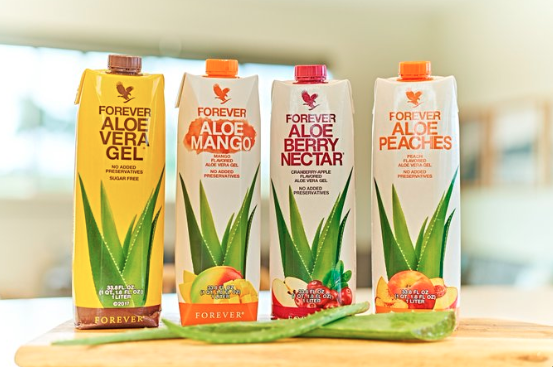



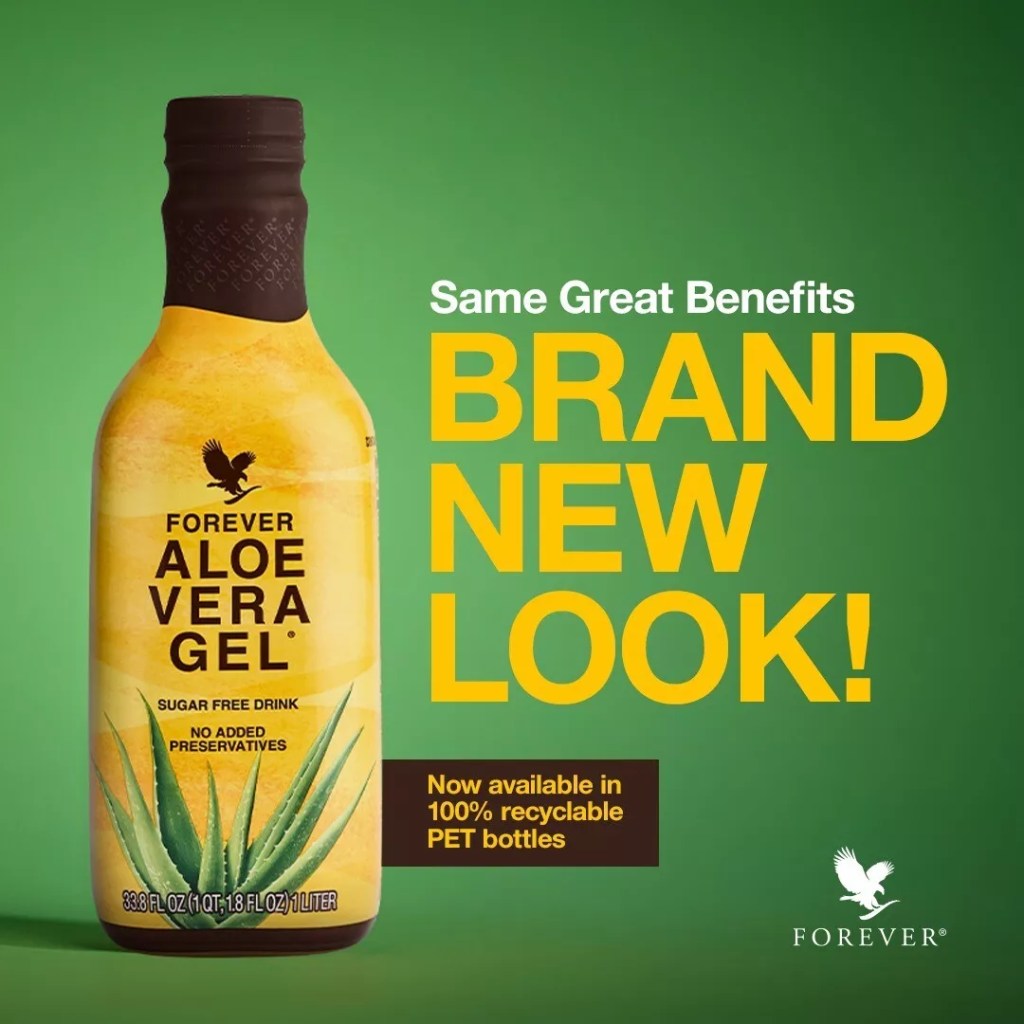
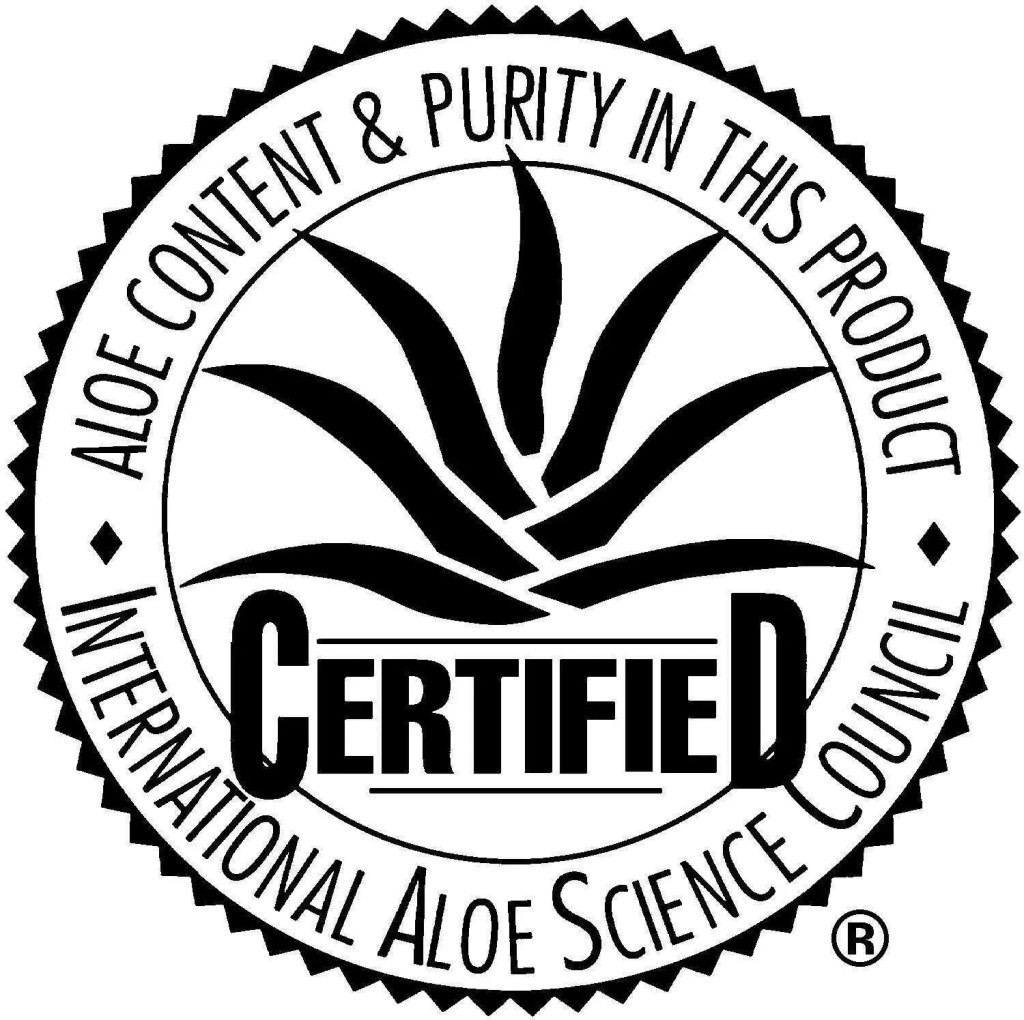
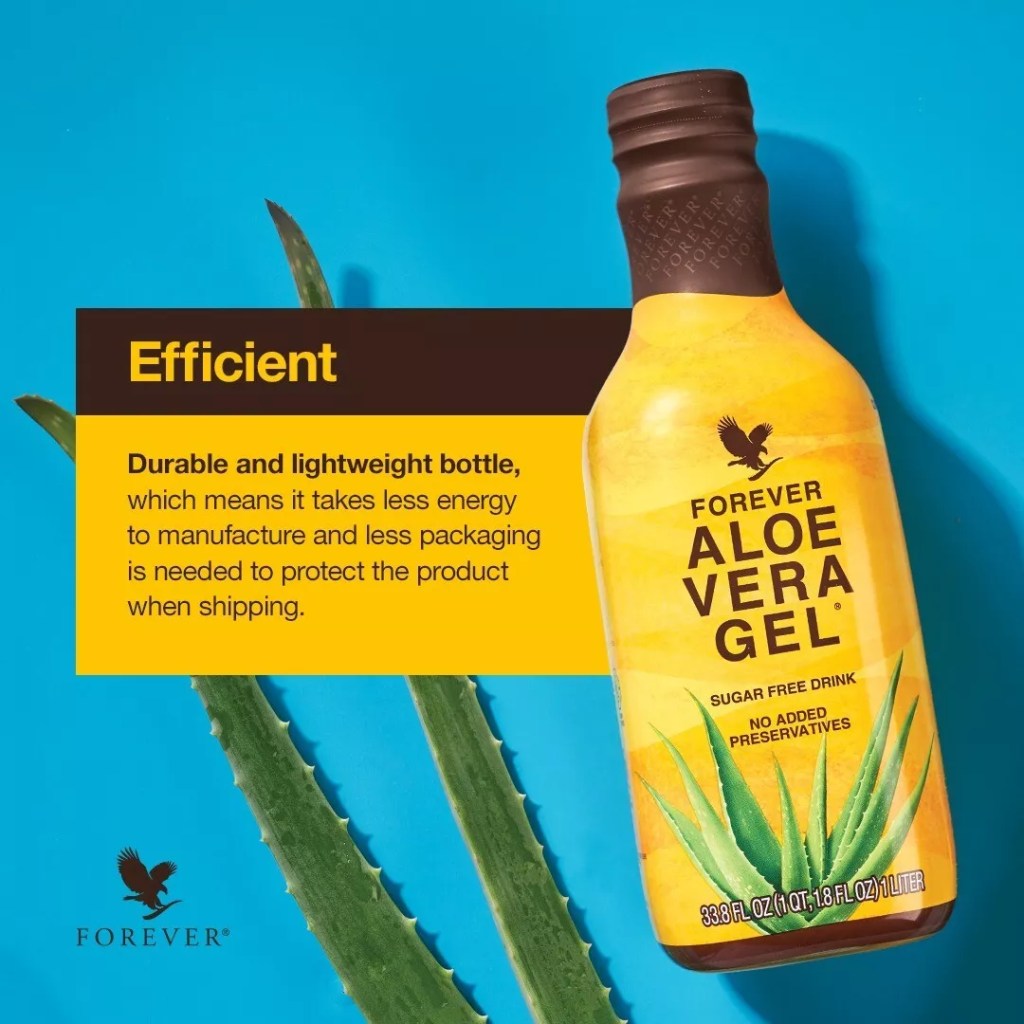
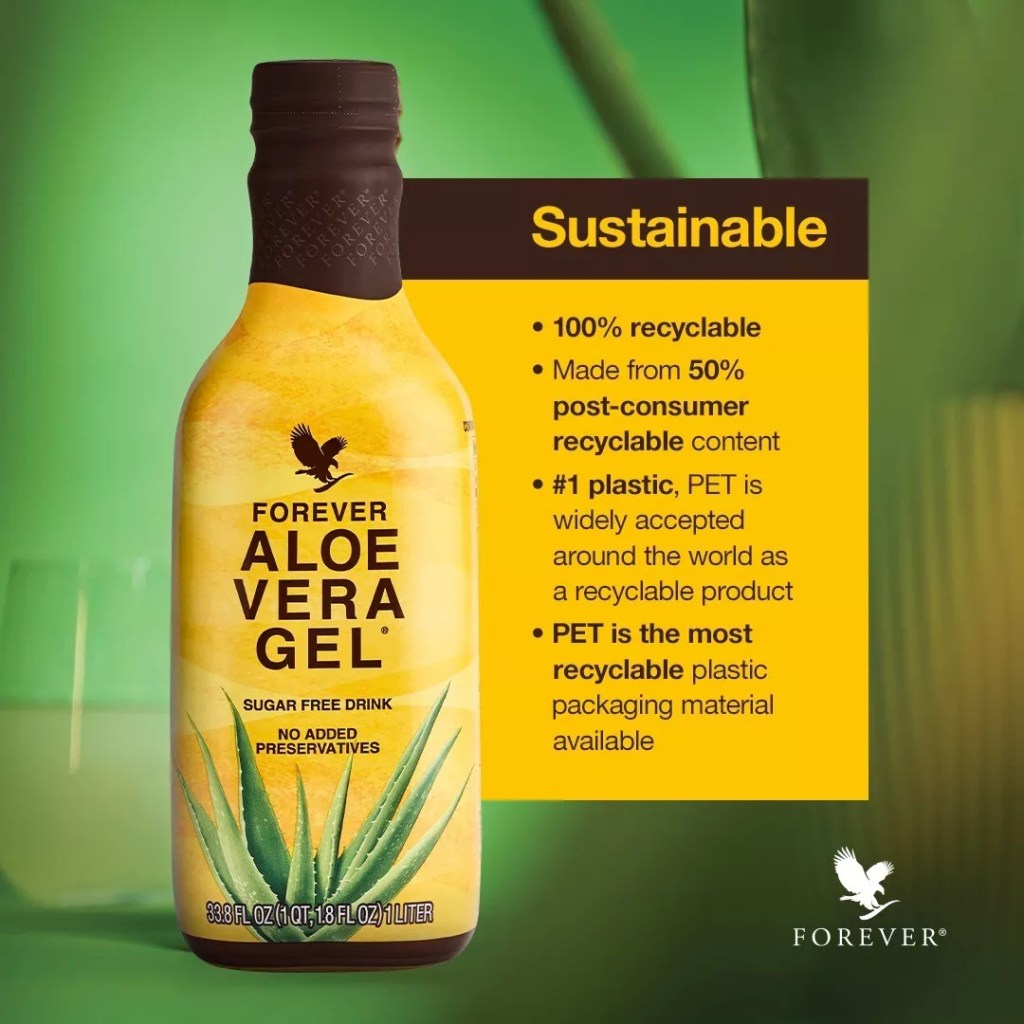

 Gut Health Matters