Aloe vera has been praised for its incredible health benefits, from supporting digestion to boosting the immune system. But one of the most common questions people ask is: How much aloe should I drink daily? Let’s break it down and make it simple.
How to Start Drinking Aloe Vera?
If you’re new to aloe vera gel, you don’t need to rush into drinking large amounts. Here’s a good starting point:
Standard recommendation: 4 oz (½ cup) or 100 ml per day – half in the morning half ant night.
How much I drink: ½ mini bottle (about 165 ml).
Some people drink a whole mini bottle per day (330ml) – and that’s completely fine! My family did that for a long time before settling on ½ mini per day.
If your health is compromised (e.g., recovering from an illness, chemotherapy, or a weakened immune system), it’s best to start slow:
First week: 1 tablespoon twice a day
Each following week: Double the amount until you reach the recommended daily intake.
Dr. Olejnik suggested this approach to my cousin after chemotherapy to avoid shocking the system. It’s understandable—when the immune system is weak, gentle introduction is key.
When Should You Drink Aloe Vera?
Timing matters! Here’s how to make the most of your aloe:
With meals: Helps keep aloe in the digestive tract longer, improving gut health and supporting digestion.
First thing in the morning on an empty stomach: If you’re dealing with constipation or obstruction, this is the best way to get things moving.
When taking medicine or supplements: Aloe can enhance nutrient absorption, making sure your body gets the most out of them.
Throughout the day: You can divide your daily intake into two portions, drinking it morning and evening.
Hydration Is Key!
Aloe vera has powerful detoxifying properties, so it’s crucial to drink plenty of water throughout the day. Think of it like getting a massage—your body releases toxins, and you need to flush them out.
Boosting Your Aloe Drink
For an extra health boost, try adding ARGI+ to your aloe vera gel. ARGI+ contains L-arginine and essential vitamins that support circulation, energy levels, and overall wellness. It pairs perfectly with aloe to give your body even more benefits.
Is Drinking One Mini Bottle a Day Too Much?
Not at all! 330ml per day (one mini bottle) is a great amount to fully experience the benefits of aloe vera. Many people stick with this long-term, and it’s a safe and effective daily habit.
New to Aloe Vera? Start Slow Before Starting a Detox Program
If you’re considering one of our detoxifying programs, it’s important to first get familiar with aloe vera. We recommend starting to drink aloe as outlined here for about a week or two before beginning your cleanse. This allows your body to adjust and ensures that you’re ready to experience the full benefits of the detox program.
Final Thoughts
Drinking aloe vera gel daily can be a game-changer for your health. Whether you’re starting small or going for a full mini bottle, consistency is key. Find the best routine that works for you, listen to your body, and enjoy the many benefits that come with it!
Would you like to learn more about how aloe vera can support your health? Let me know in the comments!
The Phenomenon of Aloe Vera Pulp “Forever Aloe Vera” 2011-12-05 23:37:57 Prof. Dr. Hab. Grażyna Cichosz, Habilitated Professor, Olsztyn, August 2009 Faculty of Food Science University of Warmia and Mazury in Olsztyn
Aloe Vera vs. Civilizational Diseases
The healing properties of the pulp from the common aloe plant, Aloe Vera, have been known for centuries in various regions of the world. It was believed that aloe prevents hair loss, rejuvenates, and promotes health for the skin, digestive system, skeletal system, urogenital system, and immune system. Therefore, in folk medicine, it was used as a cure-all for various ailments. In official medicine in the 19th century, aloe was treated as a laxative and purgative.
All the long-known health benefits of aloe were confirmed in scientific research, including American studies conducted in the 1930s. Soviet scientists contributed significantly more in this area. Biostimulated aloe by Professor Filatov (known as Biostymin) found widespread use in the treatment of diseases, especially those involving continuous stimulation of the central nervous system, such as sciatica, ulcers, vascular spasms, hypertension, sleep disorders, etc. According to Filatov, determining the specific effects of aloe’s components on the body is not impossible. What is certain, however, is that aloe pulp regenerates vital forces and enhances the effectiveness of treatment by classical methods.
Thanks to the use of the latest analytical techniques in the 1980s and 1990s, the chemical composition of aloe was thoroughly examined, and around 200 biologically active components were identified and characterized. Their extensive health-promoting properties were confirmed in clinical studies on both animals and humans.
The phenomenon of the health-promoting effects of aloe pulp lies in the quantity and diversity of biologically active compounds, as well as the presence of specific biostimulators that synergize with the bioactive components present in both the aloe pulp and the human body. The presence of biostimulators has not been found in any other natural plant products.
Is It Worth Using Aloe Pulp?
The human body is a perfect, self-regulating system that always strives for a state of balance (so-called homeostasis), which equals health. However, maintaining homeostasis in the body requires a balance of essential components, especially bioactive elements in our food. Any deficiencies, whether qualitative or quantitative, as well as an excess of any dietary component, can lead to various metabolic disorders.
The increasing prevalence of diet-dependent metabolic disorders (obesity, diabetes, hypertension, atherosclerosis, neurological diseases, cancer) is the best proof that the commonly adopted “Western” diet does not meet the need for biologically active compounds that act as biocatalysts in the metabolic processes continuously occurring in the human body. The deficiency of these biocatalysts (vitamins, minerals, trace elements, antioxidants, enzymes) in food is a consequence of their elimination during technological processes, as well as prolonged storage of food products (as required by retail chains). Highly processed, so-called convenient food, has minimal biological value. Yet, our health is 70% dependent on diet.
The health status of the population in the wealthiest countries of the world demonstrates that the “Western” diet, as well as dietary recommendations promoted for over 40 years, do not support health but rather the opposite. Dietary recommendations focused on the nutritional value (amount of protein, sugars, fats) and caloric content of foods but did not take into account the biological value of food, which is determined by the presence of vitamins, enzymes, minerals, flavonoids, anthocyanins, carotenoids, etc., which are only found in biologically active natural foods.
The so-called Western diet, rich in oxidizable vegetable fats, artificial trans isomers (found in margarines and products made with them), full of simple sugars but low in fiber, vitamins, minerals, trace elements, and other biologically active components, does not promote health—quite the opposite.
The Necessity of Dietary Supplementation
Following a well-balanced diet can prevent the majority of metabolic disorders. However, this is not easy in a world where biologically active natural food is losing out to highly processed “convenient” food, which, despite being a source of basic nutritional components, offers minimal biological value. Moreover, the functional additives present in convenient food (preservatives, hydrocolloids, colorants, flavoring substances) limit the bioavailability of biologically active dietary components.
The pharmaceutical industry offers a plethora of supplements for various purposes, specifically designed for different age groups. Unfortunately, the bioavailability of chemically synthesized vitamins and minerals is generally quite low—around 10%. High bioavailability of essential metabolic biocatalysts requires their combination with proteins, peptides, or amino acids. In this form, all vitamins, minerals, and trace elements are found in natural products such as vegetables, fruits, and aloe vera. An additional advantage of natural products is the optimal balance of biologically active components and the synergistic interactions between them. As a result, with significantly smaller amounts of natural supplements (e.g., aloe vera pulp), we achieve far superior health benefits compared to using chemically synthesized pharmaceutical products, which can also cause various side effects.
Both in the prevention and treatment of various metabolic disorders, dietary supplements are necessary. There is no doubt that the health-promoting effects of natural plant ingredients are more effective than pharmaceutical products obtained through chemical synthesis.
Aloe Vera Pulp and Metabolic Disorders
Thanks to the presence of numerous components with high biological activity, aloe vera pulp very effectively stimulates human metabolism (research by Professor Filatov). Aloe vera’s impact on the functioning of the digestive tract is extremely important, as it is known that 70% of acquired immunity is generated there.
The Effects of Aloe Vera Pulp on the Digestive System
The most important factor ensuring the proper functioning of the digestive system is the acid-base balance. Proteins and minerals present in aloe vera pulp help prevent hyperacidity due to their buffering properties. Unlike the pharmaceuticals recommended for hyperacidity, aloe pulp does not bind hydrochloric acid nor hinder digestion processes—rather, it enhances them. Digestive enzymes, minerals, and vitamins in aloe stimulate enzyme activity. Aloe pulp positively affects the entire digestive system by regenerating the stomach’s mucous lining, which is exposed to hydrochloric acid and digestive enzymes, and regulating digestive processes in the intestines.
The beneficial effects of aloe pulp on intestinal function include the elimination of chronic constipation, stimulation of the body to remove toxins, and maintaining a healthy bacterial balance in the colon. Due to its anti-inflammatory, antibacterial, and antifungal properties, aloe pulp acts as a natural antibiotic. Its active ingredients inhibit the growth of various pathogens such as streptococci, Candida Albicans yeast, staphylococci, and Helicobacter pylori, which cause stomach ulcers. In vitro studies have shown that fresh aloe vera juice inhibits the growth of typhoid bacteria (Salmonella typhi and Salmonella paratyphi) and dysentery (Shigella). The bacteriostatic and anti-inflammatory effects are mainly due to anthraquinones and salicylic acid. Aloe polysaccharides indirectly exhibit antimicrobial action by stimulating the growth of probiotic microflora, which inhibits the growth of bacteroides, clostridia, and fusobacteria.
Aloe vera pulp specifically regulates the intestinal microflora, acting bacteriostatically on pathogenic microorganisms while stimulating the growth of probiotic lactobacilli strains. It also acts as a mild laxative, helping to eliminate chronic constipation by normalizing bowel pressure and water content in stool. Aloe pulp is useful in treating stomach ulcers, often caused by Helicobacter pylori, and its health-promoting effects include:
Pain relief (anti-inflammatory action of salicylic acid, anthraquinones, and saponins; buffering digestive juices)
Facilitating food digestion (enzymes)
Antimicrobial action (anthraquinones and salicylic acid)
Accelerating the healing of erosions and ulcers (saponins, zinc, magnesium).
Similarly, aloe pulp aids in the treatment of irritable bowel syndrome (IBS), Crohn’s disease, and ulcerative colitis.
Aloe Vera Pulp in the Prevention of Obesity and Diabetes
Obesity and diabetes are currently the most common metabolic diseases. There is no doubt that their primary cause is an excess of simple sugars in the diet.
Simple sugars create a metabolic trap by: inhibiting energy production, blocking enzymes that hydrolyze fats, and increasing insulin levels, leading to the continuous accumulation of fat tissue. Weight loss is only possible with low insulin levels (only then is the triglyceride lipase enzyme active), which can be achieved quickly by completely eliminating both simple and complex sugars from the diet.
Aloe vera pulp is very useful in both the prevention and treatment of obesity and diabetes. Some of its components regulate insulin secretion, resulting in stabilized blood sugar levels. The most important of these components is calcium (a minimum of 400 mg is required in the diet), which increases tissue sensitivity to insulin, limits the synthesis of fatty acids, and activates the release of excess triglycerides from fat cells. In addition to calcium, chromium is essential for regulating carbohydrate metabolism, as it works synergistically with insulin to lower blood sugar levels. Vitamin B6 also works synergistically with chromium.
The ability of aloe vera pulp to regulate blood sugar levels has been confirmed in clinical studies conducted in India. A total of 5,000 patients (two-thirds of whom were diabetics) suffering from coronary heart disease were studied. All patients consumed 100 grams of fresh aloe vera pulp and 20 grams of a traditional constipation remedy used in Indian medicine daily. After two months, blood sugar levels (both fasting and post-meal) returned to normal in all but 177 patients. Aloe vera pulp helps regulate sugar metabolism in the human body due to its calcium, chromium, and B vitamin content.
Aloe Vera Pulp in Cardiovascular Diseases
In the clinical studies cited above, it was proven thataloe vera pulp can treat the cardiovascular system.Of the 5,000 patients involved in the clinical trials, 2,100 individuals (mostly men) suffered from hypertension and coronary artery disease. After just two weeks of treatment with aloe vera pulp, the patients exhibited a positive response: symptoms of angina subsided, blood pressure decreased, and overall well-being improved. After three months of therapy, most patients (except for 348) had a normalized electrocardiogram, including stress tests.
Aloe vera pulp works on the circulatory system in a comprehensive and versatile manner:
The regulation of blood sugar levels, which prevents diabetes, reduces the risk of heart disease by up to four times.
Blood pressure reduction is influenced by the enzyme bradykinase and arginine (which produces nitric oxide), preventing the narrowing of blood vessels—even during stress. Calcium citrate also works similarly, additionally preventing heart muscle arrhythmia.
Salicylic acid, similar to aspirin, dissolves atherosclerotic plaques that block blood flow in the vessels.
Anthraquinones and salicylic acid reduce inflammation in the blood vessels.
Minerals, trace elements, and vitamins enhance metabolism, accelerating the processes of regeneration and renewal of endothelial cells in blood vessels.
Application of Aloe Vera Pulp in Skin Diseases
The appearance of the skin and hair reflects the overall health condition. The skin is one of the most extensive tissues in our body, with a total surface area reaching up to 2 m² (the surface area of the intestines is 100 times larger). The greatest diversity of microflora is not found in the intestines but on the skin. The skin is an incredibly important organ, serving as a protective barrier, a secretory organ, a sensory organ, and a heat regulator. It is composed of several layers: the epidermis with its appendages (hair, nails, sebaceous, and sweat glands), the dermis (mainly connective tissue made of collagen fibers), and the subcutaneous tissue (primarily adipose tissue).
The skin acts as a barrier protecting us from the external environment but is just as vital as the brain. Like the kidneys, intestines, or lungs, the skin is an organ of excretion. Most skin diseases are caused by metabolic disorders (poorly balanced diet, vitamin and mineral deficiencies, alcoholism, liver and kidney diseases, contact with toxic substances). By engaging in exercises that induce heavy sweating, using medicinal herbs, or visiting a sauna, toxins can be expelled through the skin.
A similarly effective cleansing effect, along with nourishing and regenerating benefits, can be achieved by using aloe vera pulp, which promotes the health of all skin layers in a comprehensive and versatile manner.
Aloe Vera Pulp Ensures Acid-Base Balance in the Skin
The slightly acidic (pH 4.8 – 5.5) reaction of the surface layers of the skin protects against bacterial infections and fungal growth. Unfortunately, staying in dry environments, smoking, stress, hormonal disorders, poorly selected soaps, shampoos, and other cosmetics, as well as an unhealthy diet, disrupt the skin’s acid-base balance. The acidity of aloe vera pulp is similar to that of the skin. For this reason, and due to its buffering properties, aloe is a fantastic regulator that corrects and stabilizes the skin’s acid-base balance. Penetrating deep into the layers of the epidermis, aloe vera pulp works for a prolonged period, facilitating the treatment of acne, cellulite, psoriasis, and other skin diseases.
Aloe Vera Pulp Provides Skin Cleansing
Dead cells that are not removed can block pores, facilitate fat accumulation, and impede blood flow to the surface layers of the skin, increasing the likelihood of bacterial and fungal infections. This issue also affects the hair-bearing skin. When hair follicles are blocked by dead epidermal cells, the sebaceous glands cannot function properly—the sebum is not secreted, leading to dry skin. As a result, dandruff forms, which can inhibit hair growth.
Unlike traditional methods of removing dead skin (such as using sea grass gloves, exfoliation, or brushing hair), aloe vera removes dead cells not only from the surface but also from the pores of the skin by penetrating its deeper layers. The proteolytic enzymes and salicylic acid present in aloe vera act keratolytically—facilitating the removal of dead epidermal cells. Unblocking the connections between the epidermis and the dermis improves blood circulation and nourishment of the skin and promotes the formation of new cells.
Aloe Vera Pulp Provides Deep Hydration
Proper water content is the most crucial factor determining the health of the skin, whether it is dry or oily. Research at North Texas Research Laboratories observed that aloe vera pulp penetrated the skin four times faster than water, delivering nutrients to the dermis and subcutaneous connective tissue. It improved microcirculation while also having an astringent effect. The astringent effect is beneficial for oily skin, while for dry skin, additional moisturizing with avocado, olive, or sweet almond oil is necessary. The astringent effect (altered arrangement of epidermal cells in the surface layer of the skin) is provided by polysaccharides in aloe vera due to their water-binding ability. By firming the epidermis, aloe vera pulp smooths and rejuvenates the skin while providing more effective protection against external factors.
One clinical study demonstrated that aloe vera pulp, when used in combination with vitamin E, facilitated its penetration into the deeper layers of the skin. Similarly, aloe vera enhances the penetration of bioactive ingredients from cosmetics as well as contaminants or bacteria from the skin's surface. Therefore, it is essential to thoroughly cleanse the skin before applying aloe vera pulp.
Aloe Vera Pulp Nourishes All Layers of the Skin
By removing dead epidermal cells and improving skin hydration, the absorption of nutrients is facilitated. The complex mechanism of penetration involves aloe vera pulp components penetrating the epidermis through intercellular spaces (via sweat glands) and cell membranes into the interior of the cells. Through diffusion, nutrients enter the blood and lymphatic vessels, thus reaching deeper layers. All layers of the skin—not only the surface but also the deepest layers—are additionally supported by aloe components (regardless of diet).
Aloe Vera Pulp Regenerates the Dermis and Epidermis
The action of aloe vera pulp is comprehensive. Upon contact with the skin, the salicylic acid and proteolytic enzymes have a keratolytic effect (causing redness and slight burning). This results in the loosening of tightly packed epidermal cells and facilitates penetration. Polysaccharides act as carriers of biologically active ingredients and water into deeper layers of the skin. Nutrients delivered with polysaccharides stimulate the formation of fibroblasts. Fibroblasts are connective tissue cells found in the dermis. Their role is to produce collagen—a fibrous protein that forms the main supportive component of connective tissue. Clinical studies have shown that aloe vera pulp accelerates fibroblast formation in human skin by 6 to 8 times, affects fibroblast cohesion, and most importantly, speeds up collagen production.
Through the accelerated production of fibroblasts and the increased collagen production by these cells, aloe vera pulp strengthens the supportive connective tissue. Additionally, cells supplied with water and nutrients increase in volume. This results in noticeable skin smoothing, reduction of existing wrinkles, and intensified metabolism, which is equivalent to slowing down the skin aging process. There is no doubt that aloe vera pulp stimulates skin renewal and function.
Aloe Vera Pulp Treats Burns, Frostbite, and Inactivates Toxins
In 1980, research at the Chicago Burn Center aimed to develop a more effective method for continuing treatment of severe burns after initial treatment. The longer inflammation persists at the site of a burn, the more irregular the scar will be. It has been proven that aloe vera pulp applied to burns and scar tissue is as effective as penicillin. Its effectiveness in treating thermal and sunburns, as well as frostbite, is due to the anti-inflammatory and antimicrobial properties of salicylic acid and anthraquinones, as well as the improvement of microcirculation through bioactive components penetrating deep layers of the skin. Similarly, aloe vera pulp quickly alleviates the effects of insect bites.
Natural aging processes, environmental factors (sunlight, cold, wind), hormonal disturbances due to various diseases and stress, and all kinds of stimulants result in decreased collagen production by fibroblasts. A regular, stress-free lifestyle and a modest (but based on biologically active) diet provide better results than the most expensive cosmetics. This is confirmed by the excellent complexion of elderly nuns who never cared for their appearance. However, a stress-free lifestyle free of environmental and dietary threats is unlikely for most people. Therefore, it is worth supplementing with the gifts of nature. Aloe vera pulp is undoubtedly one of them.
Of course, the effects of aloe vera treatment should not be expected after just a few days, especially with years of neglect and skin damage. The recovery period for epidermal skin cells is about 4 weeks. Only after this time can you expect the first results from regular aloe vera treatment.
The Effect of Aloe Vera Pulp on the Immune System
Our health largely depends on the efficiency of the immune system. Its role is to protect against various infections by recognizing and identifying threats (bacteria, fungi, viruses, damaged cells, e.g., from radiation or chemotherapy, due to mutations). Macrophages (known as phagocytes) are responsible for destroying these threats, a process called phagocytosis. Unfortunately, with age, the phagocytic activity of macrophages decreases. Degenerated or overloaded with waste products, macrophages lose orientation and often begin to produce antibodies against their own body’s structures (autoimmune diseases). Aging of the immune system leads to increased susceptibility to various infections, autoimmune diseases, and cancers.
However, the most common immune system disorders are allergies. The problem of allergies has intensified over the past few decades, affecting over 20% of industrialized societies. The most common causes of allergies are overuse of antibiotics and the presence of numerous new chemical compounds in the environment that weaken the immune system. For these reasons, the issue of immune system stimulation concerns not only the elderly but also young people, especially those with allergies, diabetes, and metabolic disorders.
Some components of aloe vera pulp act as natural immunostimulants, stimulating the immune system to work more effectively. These include polysaccharides such as karisin and acemannan, as well as biologically active peptides.
KARISINis known for its antiviral properties and support of immune system function, and its immunostimulatory effects have been proven in mice. It has been shown that macrophages, in the presence of karisin, destroyed cancer cells 10 times more effectively than with standard pharmaceutical immunostimulants.
Clinical studies in AIDS patients have demonstrated that karisin strengthens the immune system by inhibiting the spread of HIV. Promising results have been observed where traditional AIDS medications were replaced with isolated karisin. Administered in high doses (up to 250 mg four times a day) for 90 days, it resulted in radical improvement (reduction of fever, inhibition of diarrhea) in 6 out of 8 patients participating in the experiment. Karisin significantly alleviates clinical symptoms of AIDS in advanced stages of the disease. Its utility in treating other viral diseases, such as measles and herpes, has also been proven. Viruses attacking the liver are likely weakened by the anthraquinones and biologically active peptides present in aloe vera pulp, if not killed outright. The mechanism of virus neutralization involves the incorporation of karisin into cell membranes, which prevents viruses from attacking the cells.
ACEMANNAN in aloe vera pulp also shows antiviral and immunostimulatory properties. In blood samples from HIV-infected volunteers who were injected subcutaneously with 1 ml of aloe vera daily for 30 days, the presence of abnormal antibodies that supported the immune system was detected. HIV-infected patients are advised to undergo a treatment regimen involving aloe vera injections every other month for 3 years. Currently, clinical studies in Canada aim to inhibit the development of AIDS by administering isolated acemannan from aloe vera to patients.
However, neither aloe vera pulp nor juice is effective in combating established viral infections due to the low content of these polysaccharides. They are, however, sufficiently active to function preventively by activating the immune system (especially during seasonal viral infection threats) or as an adjunct to appropriate medications. This is particularly relevant since polysaccharides such as karisin and acemannan are not the only immunostimulants present in aloe vera pulp.
IMMUNOREACTIVE LECITINS and ALOCINS A and B are peptides found in aloe vera pulp with documented immunostimulatory effects. Their most valuable property is stimulating the growth and division of lymphocytes from groups B and T. These lymphocytes are involved in destroying cancer cells, cells infected with viruses, and cells altered by chemical agents (e.g., drugs). Additionally, B and T lymphocytes are essential in producing immunoglobulins and interferon, which blocks virus replication within cells. Due to their ability to bind with plasma proteins, immuno-lectins in aloe vera pulp can directly interact with all components of the immune system.
ARGININE, one of the amino acids present in aloe, also stimulates the immune system by increasing growth hormone secretion and enhancing the production of lymphocytes and macrophages.
The immunostimulatory effect of aloe has been confirmed in numerous clinical studies. Russian studies have demonstrated that aloe protects against toxic effects of poisons. Rabbits given aloe vera pulp for 30 days before being administered a lethal dose of strychnine survived the experiment, unlike those not given aloe. Aloe vera pulp affects the immune system by raising and regulating the body’s defensive and adaptive mechanisms to a physiologically appropriate level, i.e., as needed in a given situation (e.g., during illness). The activation of the immune system obtained through long-term aloe vera pulp administration persists even after discontinuation. This illustrates the adaptogenic properties of aloe vera pulp.
Aloe Vera Pulp in Cancer Prevention
In the fight against cancer, an orthomolecular diet can be helpful. The principle of this diet is the regulation of metabolic processes at the cellular level through biologically active components: vitamins, minerals, trace elements, enzymes, and bioflavonoids found in vegetables, mushrooms, and fruits. The orthomolecular diet provides comprehensive regulation of the entire metabolism and immune system, supporting the body in combating cancer and should be used regardless of the stage of the disease or the therapy applied. Regular use of the orthomolecular diet by healthy individuals is the most reliable, cost-effective, and effective method for preventing all metabolic disorders, especially cancers (only 20% of cancers are genetically determined).
Aloe vera pulp meets all the criteria of the orthomolecular diet. It is a source of 200 biologically active components, including 20 minerals, 18 amino acids, 12 vitamins, several enzymes, as well as anthraquinones, sterols, and organic acids. Among these components, several dozen exhibit immunostimulatory effects.
However, documented cases of cancer cures supported by an orthomolecular diet are few. Scientific studies regarding the usefulness of aloe vera pulp in cancer treatment are also limited and only concern skin cancers. Research aimed at finding therapeutic preparations to alleviate skin reactions to radiation therapy in patients has shown that an emulsion with Aloe Arborescens pulp was the most effective.
For this reason, studies are currently underway in Australia to assess the usefulness of aloe vera pulp in treating skin cancers.
Due to the presence of numerous immunostimulatory components and substances that inhibit mutagens, aloe vera pulp helps prevent cancer.
Nutritional Product: “Forever Aloe Vera”
Aloe Vera Gel is made from ground Aloe Vera leaf pulp, stabilized naturally and patented under U.S. patents No. 4178372 and No. 444613.
During the extraction process, the skin of the aloe leaves, which contains aloin and emodin—substances with irritating and laxative effects—is discarded. Pure aloe vera pulp is obtained from mature plants, at least three years old. It contains amino acids, a complete set of water-soluble vitamins, essential fat-soluble vitamins (E and A), minerals, trace elements, enzymes, polysaccharides, organic acids, and anthraquinones. All components of aloe vera pulp are water-soluble, thermostable, and do not become inactive in the acidic environment of the stomach. All—without exception—have biological activity, high bioavailability, and effectiveness in stimulating biochemical processes in the human body.
In 100 g of Aloe Vera Gel, you will find:
Aloe Vera Pulp: 97.4 g
Ascorbic Acid: 0.21 g
Sorbitol: 2.16 g
Sodium Benzoate: 9.0 mg
Xanthan Gum: 18.9 mg
Papain: 33.7 mg
Citric Acid: 60.3 mg
Potassium Sorbate: 87.3 mg
Tocopherol: 4.7 mg
The energy value of 100 g of Aloe Vera Gel is 50 kJ (12 kcal). The sodium benzoate content is within the permissible limits for preservatives added to food (Regulation of the Minister of Health of March 17, 2003, on permitted additives…). Aloe Vera Gel does not contain heavy metals: cadmium, lead, and mercury—most toxic to humans. It also does not contain residues of chemical plant protection agents: polychlorinated biphenyls, toxaphene, and chlordane—polychlorinated organic insecticides. It meets the requirements of the third edition of the European Pharmacopoeia of 1997 in this regard.
Forever Aloe Vera Gel meets all quality criteria thanks to the patented technology in the U.S. The manufacturer of Aloe Vera Gel is a world leader in organic aloe cultivation, aloe pulp production, and analytical control. The production process uses only the inner, gelatinous fraction of the aloe leaves. The outer green cover and the yellow subcutaneous layer, which contain aloin and emodin, are separated. As a result, aloe vera pulp contains only trace amounts of aloin—an average of 20 mg/kg.
A crucial stage in the production of Aloe Vera Gel is the stabilization process, which protects against oxidation and ensures high biological activity. The thickening process (2 to 10 times depending on the intended use of the aloe gel) is also conducted with consideration for the thermostability of the biologically active components of the stabilized gel. In a comparative test between stabilized Forever Living Gel and gel from raw, mature ALOE BARBADENSIS leaves conducted by the New York Food and Drug Control Laboratories, both products were rated as “essentially identical.” Thus, the final product in the bottle corresponds, in terms of chemical composition and, more importantly, biological activity, to the inner part of the leaves of the common aloe.
Forever Living Products' stabilized aloe gel has the same biological value and bioavailability as fresh pulp obtained from the inner gelatinous fraction of Aloe Vera leaves.
The outer green cover and the yellow subcutaneous layer of common aloe also contain biologically active compounds: aloin and emodin. Due to their laxative properties, their presence in aloe gel intended for drinking is undesirable. Aloin and emodin, once isolated from the outer leaf layer of common aloe, are used by the pharmaceutical industry as components of laxatives. In the food industry, aloin is used as a flavoring agent in alcoholic beverages (Regulation of the Minister of Health of September 4, 2008, on the use and labeling of flavorings).
The aloe pulp produced by Aloe Vera of America contains an average of 20 mg/kg of aloin. In pharmaceutical preparations, the content of various plant components with laxative effects, expressed as aloin, is 35 mg per tablet or 25 mg per dose (tablespoon) of syrup. To achieve a laxative effect, one would need to drink over a liter (specifically 1250 to 1750 ml) of aloe pulp with 20 mg of aloin per kg. Meanwhile, the recommended serving of Aloe Vera Gel is only 2 tablespoons daily, or 2 x 15 ml. This amount of gel contains 2 x 0.3 mg of aloin. In total, this is 40 to 60 times less than in one dose of a pharmaceutical preparation. Such an amount of aloin poses no health risk. Diluting the recommended portion of aloe gel (tablespoon – 15 ml) in 1 glass of water does not conflict with normative regulations regarding permissible aloin levels in food products.
Aloin is also used as a flavoring additive to beverages and alcoholic products in amounts ranging from 0.1 to 50 mg/kg. Thus, 100 g of alcohol may contain up to 5 mg of aloin—a quantity over 8 times greater than in the recommended portion of aloe pulp. The permissible aloin levels were set considering daily consumption, accounting for the risk in consuming larger quantities of beverages and alcoholic products.
Aloe has been classified by the European Council as a natural food additive source (category N3), thus it can be added to food products in the traditionally accepted form. Aloe pulp is not food. However, due to its unique health benefits, it should be used as a dietary supplement and as a complement to conventional therapy for metabolic disorders. It is an excellent source of biologically active components that stimulate both metabolism and the human immune system.
Aloe Vera Gel for Everyone – Forever
Numerous scientific studies on the biologically active components of Aloe Vera, as well as clinical research on animals and humans, indicate that aloe vera pulp:
Enhances the functioning of the digestive system
Regulates sugar metabolism, thus preventing obesity and diabetes
Provides comprehensive and versatile benefits to the cardiovascular system
Moisturizes, nourishes, and revitalizes the skin, and treats burns, frostbite, and insect bites
Activates the immune system, thereby supporting the body’s defenses against viral and bacterial infections
Neutralizes (inhibits) mutagenic compounds, which helps prevent cancer
Given these benefits, aloe vera pulp should be used as a dietary supplement with a wide range of health-promoting effects. Prevention is the simplest, most cost-effective, and, most importantly, the most effective way to maintain health and well-being for many years.

It is important to be aware that pharmaceutical companies are not interested in this, as intense competition among them drives the abandonment of well-known and widely used traditional remedies in favor of the latest-generation drugs that maximize profits. Traditional medicine requires extremely costly clinical trials, as prevention is not in the interest of pharmaceutical companies.

Therefore, it is essential to remember that our health is in our own hands.
For years, I struggled with debilitating migraines that disrupted my life. I tried everything—medications, lifestyle changes, and countless remedies—but nothing provided lasting relief. That all changed during my first Clean 9 (C9) detox program. By the end of the nine days, my migraines were completely gone. It felt like my body had hit a reset button, and I knew the key was the aloe vera gel I’d incorporated into my routine.
This experience opened my eyes to the incredible health benefits of drinking aloe vera gel. Packed with nutrients and antioxidants, it’s more than just a wellness trend—it’s a game-changer. Today, I drink aloe vera gel daily as part of my morning routine. It’s not just about the physical benefits—it gives me peace of mind knowing I’m starting my day with something good for my body.
If you’re hesitant, I encourage you to try it for yourself. You may be surprised by how much better you feel!
Let’s dive into how aloe vera gel can transform your health, just like it did for me.
Drinking aloe vera gel has gained immense popularity in the wellness world—and for good reason. This natural elixir is packed with vitamins, minerals, and antioxidants that offer a host of health benefits. From improving digestion to boosting immunity, aloe vera gel can transform your daily routine.
Let’s explore the top benefits and learn why this health drink deserves a spot in your kitchen.
What Is Aloe Vera Gel?
Aloe vera gel comes from the inner leaves of the aloe plant. Known for its soothing and healing properties, it has been used for centuries in skincare and natural remedies. Today, it’s recognized for its internal health benefits when consumed as a drink.
But not all aloe vera gels are created equal. Look for pure products made from the inner leaf to ensure you’re getting the best quality.
Improve Your Digestion Naturally
Aloe vera gel supports your digestive system in multiple ways: • It soothes the digestive tract. • Relieves heartburn and acid reflux. • Promotes regular bowel movements. • Acts as a prebiotic, nourishing good gut bacteria.
By improving your digestion, aloe vera gel can help you feel lighter, healthier, and more energized.
A Natural Detox for Your Body
Your body’s detox systems need support, and aloe vera gel delivers: • It enhances liver function, helping flush out toxins. • The antioxidants in aloe combat free radicals that can harm your cells.
Drinking aloe vera gel daily can be an easy and natural way to assist your body’s detoxification process.
Boost Your Immune System
Aloe vera gel is rich in immune-boosting antioxidants and nutrients. It reduces inflammation in the body, strengthens immunity, and helps your body stay resilient.
Nourish Your Skin from Within
Drinking aloe vera gel provides hydration and nutrients that: • Improve skin texture and elasticity. • Reduce acne and blemishes. • Support collagen production for youthful skin.
When consumed daily, aloe vera gel helps you glow from the inside out.
Manage Weight Effectively
Aloe vera gel is a fantastic addition to any weight management routine. It: • Supports metabolism and regulates blood sugar levels. • Helps curb cravings, making healthy eating easier.
Additional Health Benefits
Aloe vera gel offers many more benefits, including: • Regulating blood sugar. • Supporting heart health and circulation. • Enhancing oral hygiene and reducing gum inflammation.
Forever Aloe Vera Gel
How to Start Using Aloe Vera Gel
Ready to give it a try? Start with Forever Living Aloe Vera Gel, a trusted, high-quality brand that ensures you’re getting the best benefits from this natural powerhouse. Click here to learn more and order your first bottle today—your journey to better health starts now!
Aloe Vera, known for its medicinal and healing properties, has been revered for thousands of years. From the ancient world to modern times, this “plant of immortality” has been a trusted remedy for skin care and various ailments. Below, we trace Aloe Vera’s rich history through time, highlighting key figures and quotes that underscore its enduring power.
Ancient Egypt: Pharaoh Amenhotep and the Ebers Papyrus (1550 BCE)
The earliest known use of Aloe Vera in medicine can be traced back to ancient Egypt. The Ebers Papyrus, one of the world’s oldest medical documents, dates to around 1550 BCE during the reign of Pharaoh Amenhotep. This scroll includes 12 different formulations using Aloe Vera, which was employed for everything from treating burns to internal healing remedies. Egyptians revered Aloe Vera as the “plant of immortality,” using it extensively in their medical practices.
Ancient Greece and Rome: The Healers and Emperors (4th Century BCE)
Greek and Roman healers also embraced the healing properties of Aloe Vera. The plant was used in treatments for wounds, digestive issues, and skin conditions. Dioscorides, a prominent Greek physician and pharmacologist, documented Aloe Vera’s healing properties in his first-century pharmacopeia, De Materia Medica, which served as a medical reference for centuries. Pliny the Elder, a Roman author, also recorded Aloe Vera’s use for wound care and other ailments in his works.
Cleopatra (69-30 BCE): Beauty Secrets of a Queen
One of Aloe Vera’s most famous proponents was Cleopatra, the legendary queen of Egypt. Cleopatra used Aloe Vera as part of her daily skincare routine, applying it to her skin to preserve her beauty in the dry, arid climate. The cooling and moisturizing properties of Aloe Vera helped her maintain her radiant complexion, cementing its reputation as a beauty secret among royalty.
Christopher Columbus (1451-1506): The Healer of the High Seas
The power of Aloe Vera was not lost on explorers and sailors, such as Christopher Columbus. As he sailed across the world, Columbus relied on Aloe Vera to heal wounds and burns sustained during long, arduous voyages. In one of his famous quotes, Columbus said:
“Four vegetables are indispensable for the well-being of man: wheat, the grape, the olive, and the aloe. The first nourishes him, the second raises his spirit, the third brings him harmony, and the fourth cures him.”
This highlights the profound role Aloe Vera played in the health of sailors, helping them recover from injuries during their voyages of discovery.
Mahatma Gandhi (1869-1948): Aloe Vera and Spiritual Endurance
Aloe Vera’s role in sustaining physical health was acknowledged by Mahatma Gandhi, one of the most significant leaders of the 20th century. Gandhi undertook prolonged fasts as part of his nonviolent resistance campaigns, and Aloe Vera was among the few substances that helped him endure these periods of hardship. In a letter to his biographer, Gandhi wrote:
“You ask me what secret forces sustain me during my long fasts. Well, it is my unshakable faith in God, my simple and frugal lifestyle, and the Aloe whose benefits I have discovered upon my arrival in South Africa at the end of the 19th century.”
For Gandhi, Aloe Vera provided nourishment and resilience during his spiritual trials.
Ivan E. Danhof (20th Century): The Father of Aloe Vera Research
Dr. Ivan E. Danhof, known as the “Father of Aloe,” conducted extensive research on the plant’s medicinal properties. He dedicated much of his life to studying how Aloe Vera could benefit human health, from skin regeneration to immune system support. He remarked:
“Aloe Vera is the most impressive medicinal herb invented by nature.”
“If Aloe Vera were to be discovered today, and its remarkable healing properties investigated, it would be hailed as the wonder drug of this century.”
Danhof’s pioneering work laid the foundation for modern Aloe Vera research, bringing this ancient remedy into the realm of contemporary natural medicine.
Dr. H. R. McDaniel (20th Century): Aloe Vera’s Cellular Healing Power
Dr. H. R. McDaniel, another key figure in Aloe Vera research, recognized its immense potential in treating a range of diseases. His research showed how Aloe Vera could aid in cellular repair and immune function. McDaniel famously stated:
“The use of Aloe Vera will be the most important single step forward in the treatment of diseases in the history of mankind.”
This bold assertion emphasized Aloe Vera’s significance not only as a cosmetic ingredient but also as a revolutionary medicinal plant.
Aloe Vera in Modern Medicine: Acemannan and Disease Treatment
In more recent years, Aloe Vera has garnered attention for its potential in treating serious diseases. According to “Smart Medicine for Healthier Living”, a guide by Janet Zand, Allan N. Spreen, and James B. LaValle, an extract from Aloe Vera known as acemannan holds promise for treating serious illnesses:
“Acemannan, extracted from the Aloe Vera plant, appears to be a promising treatment for AIDS, cancer, and immune system disorders.”
“Acemannan, (…) is used both orally and intravenously, and has uses from antiviral, antifungal, and antibacterial (…).”
This underscores Aloe Vera’s growing role in cutting-edge medical research, moving beyond its traditional uses to potentially combat life-threatening diseases.
Mayo Clinic on Aloe Vera: A Plant of Timeless Value
The Mayo Clinic, one of the most respected medical institutions in the world, acknowledges the long-standing history of Aloe Vera in medicine. They note that the plant has been used for centuries for treating burns, wounds, and other skin conditions. According to their research, Aloe Vera’s benefits go beyond skincare, offering potential in areas such as digestion and immune system support. Aloe Vera continues to be studied for its numerous medicinal applications, highlighting its enduring relevance in both natural and conventional medicine.
A Plant That Transcends Time
Aloe Vera has traveled through the corridors of time, proving its worth from ancient Egypt to the laboratories of modern science. Whether it was Cleopatra’s beauty regimen, Columbus’s voyage healer, Gandhi’s fasting companion, or the subject of groundbreaking medical research, Aloe Vera has remained an indispensable part of humanity’s quest for healing and wellness.
In every era, Aloe Vera has been more than just a plant; it has been a symbol of nature’s power to nurture and heal, a legacy of ancient wisdom that continues to thrive in modern times. The secrets of Aloe Vera are as valuable today as they were millennia ago, offering a natural remedy for the challenges of life—past, present, and future.
To try our best aloe vera products, visit our on-line store below:
If you have any questions and would like to connect with our team, please email us at:
The Phenomenon of Aloe Vera Pulp “Forever Aloe Vera” 2011-12-05 23:37:57 Prof. Dr. Hab. Grażyna Cichosz, Habilitated Professor, Olsztyn, August 2009 Faculty of Food Science University of Warmia and Mazury in Olsztyn
Aloe Vera vs. Civilizational Diseases
The healing properties of the pulp from the common aloe plant, Aloe Vera, have been known for centuries in various regions of the world. It was believed that aloe prevents hair loss, rejuvenates, and promotes health for the skin, digestive system, skeletal system, urogenital system, and immune system. Therefore, in folk medicine, it was used as a cure-all for various ailments. In official medicine in the 19th century, aloe was treated as a laxative and purgative.
All the long-known health benefits of aloe were confirmed in scientific research, including American studies conducted in the 1930s. Soviet scientists contributed significantly more in this area. Biostimulated aloe by Professor Filatov (known as Biostymin) found widespread use in the treatment of diseases, especially those involving continuous stimulation of the central nervous system, such as sciatica, ulcers, vascular spasms, hypertension, sleep disorders, etc. According to Filatov, determining the specific effects of aloe’s components on the body is not impossible. What is certain, however, is that aloe pulp regenerates vital forces and enhances the effectiveness of treatment by classical methods.
Thanks to the use of the latest analytical techniques in the 1980s and 1990s, the chemical composition of aloe was thoroughly examined, and around 200 biologically active components were identified and characterized. Their extensive health-promoting properties were confirmed in clinical studies on both animals and humans.
The phenomenon of the health-promoting effects of aloe pulp lies in the quantity and diversity of biologically active compounds, as well as the presence of specific biostimulators that synergize with the bioactive components present in both the aloe pulp and the human body. The presence of biostimulators has not been found in any other natural plant products.
Is It Worth Using Aloe Pulp?
The human body is a perfect, self-regulating system that always strives for a state of balance (so-called homeostasis), which equals health. However, maintaining homeostasis in the body requires a balance of essential components, especially bioactive elements in our food. Any deficiencies, whether qualitative or quantitative, as well as an excess of any dietary component, can lead to various metabolic disorders.
The increasing prevalence of diet-dependent metabolic disorders (obesity, diabetes, hypertension, atherosclerosis, neurological diseases, cancer) is the best proof that the commonly adopted “Western” diet does not meet the need for biologically active compounds that act as biocatalysts in the metabolic processes continuously occurring in the human body. The deficiency of these biocatalysts (vitamins, minerals, trace elements, antioxidants, enzymes) in food is a consequence of their elimination during technological processes, as well as prolonged storage of food products (as required by retail chains). Highly processed, so-called convenient food, has minimal biological value. Yet, our health is 70% dependent on diet.
The health status of the population in the wealthiest countries of the world demonstrates that the “Western” diet, as well as dietary recommendations promoted for over 40 years, do not support health but rather the opposite. Dietary recommendations focused on the nutritional value (amount of protein, sugars, fats) and caloric content of foods but did not take into account the biological value of food, which is determined by the presence of vitamins, enzymes, minerals, flavonoids, anthocyanins, carotenoids, etc., which are only found in biologically active natural foods.
The so-called Western diet, rich in oxidizable vegetable fats, artificial trans isomers (found in margarines and products made with them), full of simple sugars but low in fiber, vitamins, minerals, trace elements, and other biologically active components, does not promote health—quite the opposite.
The Necessity of Dietary Supplementation
Following a well-balanced diet can prevent the majority of metabolic disorders. However, this is not easy in a world where biologically active natural food is losing out to highly processed “convenient” food, which, despite being a source of basic nutritional components, offers minimal biological value. Moreover, the functional additives present in convenient food (preservatives, hydrocolloids, colorants, flavoring substances) limit the bioavailability of biologically active dietary components.
The pharmaceutical industry offers a plethora of supplements for various purposes, specifically designed for different age groups. Unfortunately, the bioavailability of chemically synthesized vitamins and minerals is generally quite low—around 10%. High bioavailability of essential metabolic biocatalysts requires their combination with proteins, peptides, or amino acids. In this form, all vitamins, minerals, and trace elements are found in natural products such as vegetables, fruits, and aloe vera. An additional advantage of natural products is the optimal balance of biologically active components and the synergistic interactions between them. As a result, with significantly smaller amounts of natural supplements (e.g., aloe vera pulp), we achieve far superior health benefits compared to using chemically synthesized pharmaceutical products, which can also cause various side effects.
Both in the prevention and treatment of various metabolic disorders, dietary supplements are necessary. There is no doubt that the health-promoting effects of natural plant ingredients are more effective than pharmaceutical products obtained through chemical synthesis.
Aloe Vera Pulp and Metabolic Disorders
Thanks to the presence of numerous components with high biological activity, aloe vera pulp very effectively stimulates human metabolism (research by Professor Filatov). Aloe vera’s impact on the functioning of the digestive tract is extremely important, as it is known that 70% of acquired immunity is generated there.
The Effects of Aloe Vera Pulp on the Digestive System
The most important factor ensuring the proper functioning of the digestive system is the acid-base balance. Proteins and minerals present in aloe vera pulp help prevent hyperacidity due to their buffering properties. Unlike the pharmaceuticals recommended for hyperacidity, aloe pulp does not bind hydrochloric acid nor hinder digestion processes—rather, it enhances them. Digestive enzymes, minerals, and vitamins in aloe stimulate enzyme activity. Aloe pulp positively affects the entire digestive system by regenerating the stomach’s mucous lining, which is exposed to hydrochloric acid and digestive enzymes, and regulating digestive processes in the intestines.
The beneficial effects of aloe pulp on intestinal function include the elimination of chronic constipation, stimulation of the body to remove toxins, and maintaining a healthy bacterial balance in the colon. Due to its anti-inflammatory, antibacterial, and antifungal properties, aloe pulp acts as a natural antibiotic. Its active ingredients inhibit the growth of various pathogens such as streptococci, Candida Albicans yeast, staphylococci, and Helicobacter pylori, which cause stomach ulcers. In vitro studies have shown that fresh aloe vera juice inhibits the growth of typhoid bacteria (Salmonella typhi and Salmonella paratyphi) and dysentery (Shigella). The bacteriostatic and anti-inflammatory effects are mainly due to anthraquinones and salicylic acid. Aloe polysaccharides indirectly exhibit antimicrobial action by stimulating the growth of probiotic microflora, which inhibits the growth of bacteroides, clostridia, and fusobacteria.
Aloe vera pulp specifically regulates the intestinal microflora, acting bacteriostatically on pathogenic microorganisms while stimulating the growth of probiotic lactobacilli strains. It also acts as a mild laxative, helping to eliminate chronic constipation by normalizing bowel pressure and water content in stool. Aloe pulp is useful in treating stomach ulcers, often caused by Helicobacter pylori, and its health-promoting effects include:
Pain relief (anti-inflammatory action of salicylic acid, anthraquinones, and saponins; buffering digestive juices)
Facilitating food digestion (enzymes)
Antimicrobial action (anthraquinones and salicylic acid)
Accelerating the healing of erosions and ulcers (saponins, zinc, magnesium).
Similarly, aloe pulp aids in the treatment of irritable bowel syndrome (IBS), Crohn’s disease, and ulcerative colitis.
Aloe Vera Pulp in the Prevention of Obesity and Diabetes
Obesity and diabetes are currently the most common metabolic diseases. There is no doubt that their primary cause is an excess of simple sugars in the diet.
Simple sugars create a metabolic trap by: inhibiting energy production, blocking enzymes that hydrolyze fats, and increasing insulin levels, leading to the continuous accumulation of fat tissue. Weight loss is only possible with low insulin levels (only then is the triglyceride lipase enzyme active), which can be achieved quickly by completely eliminating both simple and complex sugars from the diet.
Aloe vera pulp is very useful in both the prevention and treatment of obesity and diabetes. Some of its components regulate insulin secretion, resulting in stabilized blood sugar levels. The most important of these components is calcium (a minimum of 400 mg is required in the diet), which increases tissue sensitivity to insulin, limits the synthesis of fatty acids, and activates the release of excess triglycerides from fat cells. In addition to calcium, chromium is essential for regulating carbohydrate metabolism, as it works synergistically with insulin to lower blood sugar levels. Vitamin B6 also works synergistically with chromium.
The ability of aloe vera pulp to regulate blood sugar levels has been confirmed in clinical studies conducted in India. A total of 5,000 patients (two-thirds of whom were diabetics) suffering from coronary heart disease were studied. All patients consumed 100 grams of fresh aloe vera pulp and 20 grams of a traditional constipation remedy used in Indian medicine daily. After two months, blood sugar levels (both fasting and post-meal) returned to normal in all but 177 patients. Aloe vera pulp helps regulate sugar metabolism in the human body due to its calcium, chromium, and B vitamin content.
Aloe Vera Pulp in Cardiovascular Diseases
In the clinical studies cited above, it was proven thataloe vera pulp can treat the cardiovascular system.Of the 5,000 patients involved in the clinical trials, 2,100 individuals (mostly men) suffered from hypertension and coronary artery disease. After just two weeks of treatment with aloe vera pulp, the patients exhibited a positive response: symptoms of angina subsided, blood pressure decreased, and overall well-being improved. After three months of therapy, most patients (except for 348) had a normalized electrocardiogram, including stress tests.
Aloe vera pulp works on the circulatory system in a comprehensive and versatile manner:
The regulation of blood sugar levels, which prevents diabetes, reduces the risk of heart disease by up to four times.
Blood pressure reduction is influenced by the enzyme bradykinase and arginine (which produces nitric oxide), preventing the narrowing of blood vessels—even during stress. Calcium citrate also works similarly, additionally preventing heart muscle arrhythmia.
Salicylic acid, similar to aspirin, dissolves atherosclerotic plaques that block blood flow in the vessels.
Anthraquinones and salicylic acid reduce inflammation in the blood vessels.
Minerals, trace elements, and vitamins enhance metabolism, accelerating the processes of regeneration and renewal of endothelial cells in blood vessels.
Application of Aloe Vera Pulp in Skin Diseases
The appearance of the skin and hair reflects the overall health condition. The skin is one of the most extensive tissues in our body, with a total surface area reaching up to 2 m² (the surface area of the intestines is 100 times larger). The greatest diversity of microflora is not found in the intestines but on the skin. The skin is an incredibly important organ, serving as a protective barrier, a secretory organ, a sensory organ, and a heat regulator. It is composed of several layers: the epidermis with its appendages (hair, nails, sebaceous, and sweat glands), the dermis (mainly connective tissue made of collagen fibers), and the subcutaneous tissue (primarily adipose tissue).
The skin acts as a barrier protecting us from the external environment but is just as vital as the brain. Like the kidneys, intestines, or lungs, the skin is an organ of excretion. Most skin diseases are caused by metabolic disorders (poorly balanced diet, vitamin and mineral deficiencies, alcoholism, liver and kidney diseases, contact with toxic substances). By engaging in exercises that induce heavy sweating, using medicinal herbs, or visiting a sauna, toxins can be expelled through the skin.
A similarly effective cleansing effect, along with nourishing and regenerating benefits, can be achieved by using aloe vera pulp, which promotes the health of all skin layers in a comprehensive and versatile manner.
Aloe Vera Pulp Ensures Acid-Base Balance in the Skin
The slightly acidic (pH 4.8 – 5.5) reaction of the surface layers of the skin protects against bacterial infections and fungal growth. Unfortunately, staying in dry environments, smoking, stress, hormonal disorders, poorly selected soaps, shampoos, and other cosmetics, as well as an unhealthy diet, disrupt the skin’s acid-base balance. The acidity of aloe vera pulp is similar to that of the skin. For this reason, and due to its buffering properties, aloe is a fantastic regulator that corrects and stabilizes the skin’s acid-base balance. Penetrating deep into the layers of the epidermis, aloe vera pulp works for a prolonged period, facilitating the treatment of acne, cellulite, psoriasis, and other skin diseases.
Aloe Vera Pulp Provides Skin Cleansing
Dead cells that are not removed can block pores, facilitate fat accumulation, and impede blood flow to the surface layers of the skin, increasing the likelihood of bacterial and fungal infections. This issue also affects the hair-bearing skin. When hair follicles are blocked by dead epidermal cells, the sebaceous glands cannot function properly—the sebum is not secreted, leading to dry skin. As a result, dandruff forms, which can inhibit hair growth.
Unlike traditional methods of removing dead skin (such as using sea grass gloves, exfoliation, or brushing hair), aloe vera removes dead cells not only from the surface but also from the pores of the skin by penetrating its deeper layers. The proteolytic enzymes and salicylic acid present in aloe vera act keratolytically—facilitating the removal of dead epidermal cells. Unblocking the connections between the epidermis and the dermis improves blood circulation and nourishment of the skin and promotes the formation of new cells.
Aloe Vera Pulp Provides Deep Hydration
Proper water content is the most crucial factor determining the health of the skin, whether it is dry or oily. Research at North Texas Research Laboratories observed that aloe vera pulp penetrated the skin four times faster than water, delivering nutrients to the dermis and subcutaneous connective tissue. It improved microcirculation while also having an astringent effect. The astringent effect is beneficial for oily skin, while for dry skin, additional moisturizing with avocado, olive, or sweet almond oil is necessary. The astringent effect (altered arrangement of epidermal cells in the surface layer of the skin) is provided by polysaccharides in aloe vera due to their water-binding ability. By firming the epidermis, aloe vera pulp smooths and rejuvenates the skin while providing more effective protection against external factors.
One clinical study demonstrated that aloe vera pulp, when used in combination with vitamin E, facilitated its penetration into the deeper layers of the skin. Similarly, aloe vera enhances the penetration of bioactive ingredients from cosmetics as well as contaminants or bacteria from the skin's surface. Therefore, it is essential to thoroughly cleanse the skin before applying aloe vera pulp.
Aloe Vera Pulp Nourishes All Layers of the Skin
By removing dead epidermal cells and improving skin hydration, the absorption of nutrients is facilitated. The complex mechanism of penetration involves aloe vera pulp components penetrating the epidermis through intercellular spaces (via sweat glands) and cell membranes into the interior of the cells. Through diffusion, nutrients enter the blood and lymphatic vessels, thus reaching deeper layers. All layers of the skin—not only the surface but also the deepest layers—are additionally supported by aloe components (regardless of diet).
Aloe Vera Pulp Regenerates the Dermis and Epidermis
The action of aloe vera pulp is comprehensive. Upon contact with the skin, the salicylic acid and proteolytic enzymes have a keratolytic effect (causing redness and slight burning). This results in the loosening of tightly packed epidermal cells and facilitates penetration. Polysaccharides act as carriers of biologically active ingredients and water into deeper layers of the skin. Nutrients delivered with polysaccharides stimulate the formation of fibroblasts. Fibroblasts are connective tissue cells found in the dermis. Their role is to produce collagen—a fibrous protein that forms the main supportive component of connective tissue. Clinical studies have shown that aloe vera pulp accelerates fibroblast formation in human skin by 6 to 8 times, affects fibroblast cohesion, and most importantly, speeds up collagen production.
Through the accelerated production of fibroblasts and the increased collagen production by these cells, aloe vera pulp strengthens the supportive connective tissue. Additionally, cells supplied with water and nutrients increase in volume. This results in noticeable skin smoothing, reduction of existing wrinkles, and intensified metabolism, which is equivalent to slowing down the skin aging process. There is no doubt that aloe vera pulp stimulates skin renewal and function.
Aloe Vera Pulp Treats Burns, Frostbite, and Inactivates Toxins
In 1980, research at the Chicago Burn Center aimed to develop a more effective method for continuing treatment of severe burns after initial treatment. The longer inflammation persists at the site of a burn, the more irregular the scar will be. It has been proven that aloe vera pulp applied to burns and scar tissue is as effective as penicillin. Its effectiveness in treating thermal and sunburns, as well as frostbite, is due to the anti-inflammatory and antimicrobial properties of salicylic acid and anthraquinones, as well as the improvement of microcirculation through bioactive components penetrating deep layers of the skin. Similarly, aloe vera pulp quickly alleviates the effects of insect bites.
Natural aging processes, environmental factors (sunlight, cold, wind), hormonal disturbances due to various diseases and stress, and all kinds of stimulants result in decreased collagen production by fibroblasts. A regular, stress-free lifestyle and a modest (but based on biologically active) diet provide better results than the most expensive cosmetics. This is confirmed by the excellent complexion of elderly nuns who never cared for their appearance. However, a stress-free lifestyle free of environmental and dietary threats is unlikely for most people. Therefore, it is worth supplementing with the gifts of nature. Aloe vera pulp is undoubtedly one of them.
Of course, the effects of aloe vera treatment should not be expected after just a few days, especially with years of neglect and skin damage. The recovery period for epidermal skin cells is about 4 weeks. Only after this time can you expect the first results from regular aloe vera treatment.
The Effect of Aloe Vera Pulp on the Immune System
Our health largely depends on the efficiency of the immune system. Its role is to protect against various infections by recognizing and identifying threats (bacteria, fungi, viruses, damaged cells, e.g., from radiation or chemotherapy, due to mutations). Macrophages (known as phagocytes) are responsible for destroying these threats, a process called phagocytosis. Unfortunately, with age, the phagocytic activity of macrophages decreases. Degenerated or overloaded with waste products, macrophages lose orientation and often begin to produce antibodies against their own body’s structures (autoimmune diseases). Aging of the immune system leads to increased susceptibility to various infections, autoimmune diseases, and cancers.
However, the most common immune system disorders are allergies. The problem of allergies has intensified over the past few decades, affecting over 20% of industrialized societies. The most common causes of allergies are overuse of antibiotics and the presence of numerous new chemical compounds in the environment that weaken the immune system. For these reasons, the issue of immune system stimulation concerns not only the elderly but also young people, especially those with allergies, diabetes, and metabolic disorders.
Some components of aloe vera pulp act as natural immunostimulants, stimulating the immune system to work more effectively. These include polysaccharides such as karisin and acemannan, as well as biologically active peptides.
KARISINis known for its antiviral properties and support of immune system function, and its immunostimulatory effects have been proven in mice. It has been shown that macrophages, in the presence of karisin, destroyed cancer cells 10 times more effectively than with standard pharmaceutical immunostimulants.
Clinical studies in AIDS patients have demonstrated that karisin strengthens the immune system by inhibiting the spread of HIV. Promising results have been observed where traditional AIDS medications were replaced with isolated karisin. Administered in high doses (up to 250 mg four times a day) for 90 days, it resulted in radical improvement (reduction of fever, inhibition of diarrhea) in 6 out of 8 patients participating in the experiment. Karisin significantly alleviates clinical symptoms of AIDS in advanced stages of the disease. Its utility in treating other viral diseases, such as measles and herpes, has also been proven. Viruses attacking the liver are likely weakened by the anthraquinones and biologically active peptides present in aloe vera pulp, if not killed outright. The mechanism of virus neutralization involves the incorporation of karisin into cell membranes, which prevents viruses from attacking the cells.
ACEMANNAN in aloe vera pulp also shows antiviral and immunostimulatory properties. In blood samples from HIV-infected volunteers who were injected subcutaneously with 1 ml of aloe vera daily for 30 days, the presence of abnormal antibodies that supported the immune system was detected. HIV-infected patients are advised to undergo a treatment regimen involving aloe vera injections every other month for 3 years. Currently, clinical studies in Canada aim to inhibit the development of AIDS by administering isolated acemannan from aloe vera to patients.
However, neither aloe vera pulp nor juice is effective in combating established viral infections due to the low content of these polysaccharides. They are, however, sufficiently active to function preventively by activating the immune system (especially during seasonal viral infection threats) or as an adjunct to appropriate medications. This is particularly relevant since polysaccharides such as karisin and acemannan are not the only immunostimulants present in aloe vera pulp.
IMMUNOREACTIVE LECITINS and ALOCINS A and B are peptides found in aloe vera pulp with documented immunostimulatory effects. Their most valuable property is stimulating the growth and division of lymphocytes from groups B and T. These lymphocytes are involved in destroying cancer cells, cells infected with viruses, and cells altered by chemical agents (e.g., drugs). Additionally, B and T lymphocytes are essential in producing immunoglobulins and interferon, which blocks virus replication within cells. Due to their ability to bind with plasma proteins, immuno-lectins in aloe vera pulp can directly interact with all components of the immune system.
ARGININE, one of the amino acids present in aloe, also stimulates the immune system by increasing growth hormone secretion and enhancing the production of lymphocytes and macrophages.
The immunostimulatory effect of aloe has been confirmed in numerous clinical studies. Russian studies have demonstrated that aloe protects against toxic effects of poisons. Rabbits given aloe vera pulp for 30 days before being administered a lethal dose of strychnine survived the experiment, unlike those not given aloe. Aloe vera pulp affects the immune system by raising and regulating the body’s defensive and adaptive mechanisms to a physiologically appropriate level, i.e., as needed in a given situation (e.g., during illness). The activation of the immune system obtained through long-term aloe vera pulp administration persists even after discontinuation. This illustrates the adaptogenic properties of aloe vera pulp.
Aloe Vera Pulp in Cancer Prevention
In the fight against cancer, an orthomolecular diet can be helpful. The principle of this diet is the regulation of metabolic processes at the cellular level through biologically active components: vitamins, minerals, trace elements, enzymes, and bioflavonoids found in vegetables, mushrooms, and fruits. The orthomolecular diet provides comprehensive regulation of the entire metabolism and immune system, supporting the body in combating cancer and should be used regardless of the stage of the disease or the therapy applied. Regular use of the orthomolecular diet by healthy individuals is the most reliable, cost-effective, and effective method for preventing all metabolic disorders, especially cancers (only 20% of cancers are genetically determined).
Aloe vera pulp meets all the criteria of the orthomolecular diet. It is a source of 200 biologically active components, including 20 minerals, 18 amino acids, 12 vitamins, several enzymes, as well as anthraquinones, sterols, and organic acids. Among these components, several dozen exhibit immunostimulatory effects.
However, documented cases of cancer cures supported by an orthomolecular diet are few. Scientific studies regarding the usefulness of aloe vera pulp in cancer treatment are also limited and only concern skin cancers. Research aimed at finding therapeutic preparations to alleviate skin reactions to radiation therapy in patients has shown that an emulsion with Aloe Arborescens pulp was the most effective.
For this reason, studies are currently underway in Australia to assess the usefulness of aloe vera pulp in treating skin cancers.
Due to the presence of numerous immunostimulatory components and substances that inhibit mutagens, aloe vera pulp helps prevent cancer.
Nutritional Product: “Forever Aloe Vera”
Aloe Vera Gel is made from ground Aloe Vera leaf pulp, stabilized naturally and patented under U.S. patents No. 4178372 and No. 444613.
During the extraction process, the skin of the aloe leaves, which contains aloin and emodin—substances with irritating and laxative effects—is discarded. Pure aloe vera pulp is obtained from mature plants, at least three years old. It contains amino acids, a complete set of water-soluble vitamins, essential fat-soluble vitamins (E and A), minerals, trace elements, enzymes, polysaccharides, organic acids, and anthraquinones. All components of aloe vera pulp are water-soluble, thermostable, and do not become inactive in the acidic environment of the stomach. All—without exception—have biological activity, high bioavailability, and effectiveness in stimulating biochemical processes in the human body.
In 100 g of Aloe Vera Gel, you will find:
Aloe Vera Pulp: 97.4 g
Ascorbic Acid: 0.21 g
Sorbitol: 2.16 g
Sodium Benzoate: 9.0 mg
Xanthan Gum: 18.9 mg
Papain: 33.7 mg
Citric Acid: 60.3 mg
Potassium Sorbate: 87.3 mg
Tocopherol: 4.7 mg
The energy value of 100 g of Aloe Vera Gel is 50 kJ (12 kcal). The sodium benzoate content is within the permissible limits for preservatives added to food (Regulation of the Minister of Health of March 17, 2003, on permitted additives…). Aloe Vera Gel does not contain heavy metals: cadmium, lead, and mercury—most toxic to humans. It also does not contain residues of chemical plant protection agents: polychlorinated biphenyls, toxaphene, and chlordane—polychlorinated organic insecticides. It meets the requirements of the third edition of the European Pharmacopoeia of 1997 in this regard.
Forever Aloe Vera Gel meets all quality criteria thanks to the patented technology in the U.S. The manufacturer of Aloe Vera Gel is a world leader in organic aloe cultivation, aloe pulp production, and analytical control. The production process uses only the inner, gelatinous fraction of the aloe leaves. The outer green cover and the yellow subcutaneous layer, which contain aloin and emodin, are separated. As a result, aloe vera pulp contains only trace amounts of aloin—an average of 20 mg/kg.
A crucial stage in the production of Aloe Vera Gel is the stabilization process, which protects against oxidation and ensures high biological activity. The thickening process (2 to 10 times depending on the intended use of the aloe gel) is also conducted with consideration for the thermostability of the biologically active components of the stabilized gel. In a comparative test between stabilized Forever Living Gel and gel from raw, mature ALOE BARBADENSIS leaves conducted by the New York Food and Drug Control Laboratories, both products were rated as “essentially identical.” Thus, the final product in the bottle corresponds, in terms of chemical composition and, more importantly, biological activity, to the inner part of the leaves of the common aloe.
Forever Living Products' stabilized aloe gel has the same biological value and bioavailability as fresh pulp obtained from the inner gelatinous fraction of Aloe Vera leaves.
The outer green cover and the yellow subcutaneous layer of common aloe also contain biologically active compounds: aloin and emodin. Due to their laxative properties, their presence in aloe gel intended for drinking is undesirable. Aloin and emodin, once isolated from the outer leaf layer of common aloe, are used by the pharmaceutical industry as components of laxatives. In the food industry, aloin is used as a flavoring agent in alcoholic beverages (Regulation of the Minister of Health of September 4, 2008, on the use and labeling of flavorings).
The aloe pulp produced by Aloe Vera of America contains an average of 20 mg/kg of aloin. In pharmaceutical preparations, the content of various plant components with laxative effects, expressed as aloin, is 35 mg per tablet or 25 mg per dose (tablespoon) of syrup. To achieve a laxative effect, one would need to drink over a liter (specifically 1250 to 1750 ml) of aloe pulp with 20 mg of aloin per kg. Meanwhile, the recommended serving of Aloe Vera Gel is only 2 tablespoons daily, or 2 x 15 ml. This amount of gel contains 2 x 0.3 mg of aloin. In total, this is 40 to 60 times less than in one dose of a pharmaceutical preparation. Such an amount of aloin poses no health risk. Diluting the recommended portion of aloe gel (tablespoon – 15 ml) in 1 glass of water does not conflict with normative regulations regarding permissible aloin levels in food products.
Aloin is also used as a flavoring additive to beverages and alcoholic products in amounts ranging from 0.1 to 50 mg/kg. Thus, 100 g of alcohol may contain up to 5 mg of aloin—a quantity over 8 times greater than in the recommended portion of aloe pulp. The permissible aloin levels were set considering daily consumption, accounting for the risk in consuming larger quantities of beverages and alcoholic products.
Aloe has been classified by the European Council as a natural food additive source (category N3), thus it can be added to food products in the traditionally accepted form. Aloe pulp is not food. However, due to its unique health benefits, it should be used as a dietary supplement and as a complement to conventional therapy for metabolic disorders. It is an excellent source of biologically active components that stimulate both metabolism and the human immune system.
Aloe Vera Gel for Everyone – Forever
Numerous scientific studies on the biologically active components of Aloe Vera, as well as clinical research on animals and humans, indicate that aloe vera pulp:
Enhances the functioning of the digestive system
Regulates sugar metabolism, thus preventing obesity and diabetes
Provides comprehensive and versatile benefits to the cardiovascular system
Moisturizes, nourishes, and revitalizes the skin, and treats burns, frostbite, and insect bites
Activates the immune system, thereby supporting the body’s defenses against viral and bacterial infections
Neutralizes (inhibits) mutagenic compounds, which helps prevent cancer
Given these benefits, aloe vera pulp should be used as a dietary supplement with a wide range of health-promoting effects. Prevention is the simplest, most cost-effective, and, most importantly, the most effective way to maintain health and well-being for many years.

It is important to be aware that pharmaceutical companies are not interested in this, as intense competition among them drives the abandonment of well-known and widely used traditional remedies in favor of the latest-generation drugs that maximize profits. Traditional medicine requires extremely costly clinical trials, as prevention is not in the interest of pharmaceutical companies.

Therefore, it is essential to remember that our health is in our own hands.
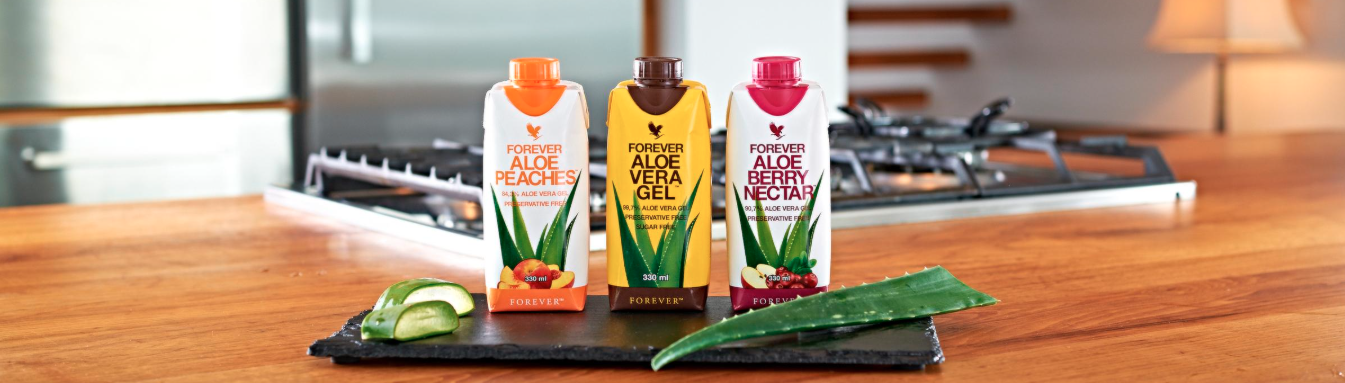









 Gut Health Matters