Let’s unlock the power of synergistic supplements together!
Navigating the world of supplements can be overwhelming. One of the most common questions is which supplements work best together. The secret to maximizing your supplement regimen lies in choosing blends where nutrients support and enhance each other’s effects. Let’s dive into how synergistic combinations can be more effective and why standalone supplements might not always deliver the same results.
1. Calcium and Magnesium
The Synergy:
Why: Calcium and magnesium are essential for bone health, but they work best together. Magnesium aids in the proper absorption of calcium and helps regulate its use in the body, ensuring it supports bone health rather than accumulating in tissues.
Supplement: Forever Calcium combines calcium and magnesium to provide a balanced approach to bone health and muscle function.
Without the Blend:
What Happens: Taking calcium without magnesium can lead to suboptimal calcium absorption. Excess calcium might accumulate in tissues, leading to potential health issues such as kidney stones or cardiovascular problems. Magnesium helps prevent this by ensuring calcium is used effectively.
2. Vitamin D and Calcium
The Synergy:
Why: Vitamin D enhances the body’s ability to absorb calcium from the intestines. Without adequate vitamin D, your body struggles to use calcium effectively, which can compromise bone strength.
Supplement: Forever Calcium includes vitamin D to boost calcium absorption and support bone health.
Without the Blend:
What Happens: Without vitamin D, even high calcium intake might not be fully utilized, leading to weakened bones and a higher risk of osteoporosis. The blend ensures that calcium is efficiently absorbed and used by the body.
3. Forever Absorbent-C (with Oat Bran)
The Synergy:
Why: Absorbent-C features oat bran, which slows down the absorption of vitamin C. This gradual release allows for sustained benefits, supporting immune function and collagen formation over a longer period.
Supplement: Forever Absorbent-C ensures that vitamin C is absorbed steadily, maximizing its effectiveness.
Without the Blend:
What Happens: Without the oat bran, vitamin C can pass through the body too quickly and be excreted in the urine, meaning it may not be fully utilized. This can reduce its effectiveness, as the body doesn’t retain and absorb it steadily. The blend in Forever Absorbent-C ensures that vitamin C is absorbed gradually and provides long-lasting benefits.
4. Zinc and Copper
The Synergy:
Why: Zinc and copper need to be balanced as high levels of zinc can interfere with copper absorption. Together, they support immune function and enzyme activities effectively.
Supplement: Forever Daily contains both zinc and copper to maintain this delicate balance and ensure optimal health.
Without the Blend:
What Happens: Excessive zinc intake without copper can lead to copper deficiency, which impairs various bodily functions, including energy production and cardiovascular health. The blend helps maintain a healthy mineral balance.
5. Omega-3 Fatty Acids and Vitamin E
The Synergy:
Why: Vitamin E acts as an antioxidant, protecting omega-3 fatty acids from oxidation. This combination enhances the stability and effectiveness of omega-3s, which support cardiovascular health and reduce inflammation.
Supplement: Forever Arctic Sea combines omega-3s with vitamin E to ensure the fatty acids are well-protected and utilized.
Without the Blend:
What Happens: Without vitamin E, omega-3 fatty acids can oxidize and lose their effectiveness, reducing their benefits for heart health and inflammation. The blend ensures the omega-3s remain potent and beneficial.
6. B Vitamins Together
The Synergy:
Why: B vitamins work best in combination, as they support various aspects of metabolism, nervous system health, and red blood cell production. Each vitamin enhances the function of others in the B-complex group.
Supplement: Forever B12 Plus includes B12 and folic acid, providing a comprehensive approach to energy and overall health.
Without the Blend:
What Happens: Taking individual B vitamins without the full complex can lead to imbalances and reduced effectiveness. For instance, without folic acid, vitamin B12 alone might not fully support red blood cell production and nervous system health.
7. Forever Marine Collagen
The Synergy:
Why: Forever Marine Collagen combines marine-based collagen with complementary ingredients such as vitamins, zinc, and other natural botanicals. This synergistic blend promotes skin hydration, elasticity, and joint health by supporting collagen production and protecting the skin against oxidative stress.
Supplement: Forever Marine Collagen is formulated to ensure that collagen and its supporting ingredients work together to enhance your skin’s natural glow and overall vitality.
Without the Blend:
What Happens: Taking collagen alone may not deliver the same level of benefits. The additional ingredients in the blend, such as vitamin C and zinc, are crucial for collagen synthesis and overall skin health, amplifying the collagen’s effectiveness.
8. Forever Garcinia Plus (with Chromium)
The Synergy:
Why: Garcinia helps to reduce fat storage and suppress appetite, while chromium plays a vital role in stabilizing blood sugar levels, making the two an ideal combination for weight management and energy support.
Supplement: Forever Garcinia Plus combines garcinia with chromium to aid in fat metabolism, control cravings, and stabilize blood sugar levels.
Without the Blend:
What Happens: Without chromium, garcinia’s benefits for weight management might be less effective as blood sugar imbalances could cause energy crashes and cravings. The blend ensures you get steady energy and better weight control.
Conclusion
Choosing supplements that combine nutrients with synergistic effects is crucial for maximizing their benefits. By selecting blends where nutrients enhance each other’s absorption and function, you ensure that your body receives the full spectrum of benefits and maintains optimal health. Whether it’s calcium and magnesium, vitamin D and calcium, or any other combination, the right blend makes a significant difference in your supplement regimen.
When it comes to skin health, what we put into our bodies can be just as important as what we put on our skin. A holistic approach to skincare recognizes the connection between internal health and outward beauty, focusing on natural ways to care for your skin from within. In this post, we’ll explore how your gut microbiome impacts your skin, the benefits of drinking aloe vera, and why natural products may be a better choice for sensitive or problematic skin.
1. Gut Microbiome and Skin Health: The Gut-Skin Connection
You may not think of your gut when you think of skincare, but the two are more closely related than you might imagine. The health of your gut microbiome—essentially, the balance of good and bad bacteria in your digestive system—plays a crucial role in the condition of your skin. This relationship is often called the “gut-skin axis,” and it can have a profound impact on skin issues like acne, eczema, and inflammation.
When your gut is out of balance, it can lead to systemic inflammation that shows up on your skin in the form of breakouts, irritation, or other skin conditions. On the flip side, a healthy gut microbiome can improve skin clarity, boost hydration, and even slow signs of aging. Supporting gut health with a diet rich in probiotics, fiber, and nutrients can lead to healthier, more radiant skin.
One way to naturally support your gut and skin is by consuming aloe vera. Aloe vera is known for its digestive benefits, helping to soothe the gut lining and reduce inflammation throughout the body. By addressing gut health first, you can take an inside-out approach to achieving clearer, healthier skin.
2. Drinking Aloe Vera for Skin Health
In addition to its gut benefits, drinking aloe vera can directly support skin health. Aloe vera is packed with vitamins, antioxidants, and anti-inflammatory properties that help hydrate the skin and promote healing. When you drink aloe vera, it nourishes your skin from the inside out, supporting a healthy glow and reducing issues like redness and irritation.
Aloe vera also acts as a natural detoxifier, helping to flush out toxins that may contribute to skin issues like acne. By integrating aloe vera into your daily routine, you can support your skin’s natural healing processes and improve its overall appearance.
3. Choosing Natural Skin Care Over Store-Bought Cosmetics
MY STORY...
For many years, I relied on store-bought cosmetics, and I thought they were doing the job just fine—until one day they didn’t. While attending a long weekend conference, I developed a severe allergic reaction to a popular cosmetic brand I had used for years. My eyes became swollen and irritated, and I had to stop using makeup altogether. I spent the rest of the event uncomfortable, not only because of my swollen eyes but also because of how self-conscious I felt in public.

That experience made me realize the risks of using store-bought cosmetics that often contain harsh chemicals, preservatives, and artificial fragrances. While they may seem effective in the short term, they can cause long-term damage to sensitive skin. I was forced to reevaluate my skincare choices and eventually switched to natural products, including aloe-based formulas, that are gentler on the skin.

Now, I exclusively use safe, natural skincare products that support my skin’s health without causing irritation. For anyone with sensitive or problematic skin, such as acne, I recommend exploring natural, chemical-free products to avoid adverse reactions.
Get Your Gift
Fill out this form to receive my gift:
The Cleanest Products for Personal and Skin Care List.
For those of us dealing with sensitive or acne-prone skin, a holistic approach is key. Start by supporting your skin from within by taking care of your gut health, and consider incorporating aloe vera into your diet to promote overall skin clarity and hydration. Be mindful of the products you apply to your skin, and opt for natural, aloe-based options that are free from harmful chemicals.
By nurturing your skin both internally and externally, you can enjoy healthier, more radiant skin that lasts.
If you’d like to learn more about how a holistic skincare routine can work for you, feel free to get in touch. Let’s care for our skin in the most natural and effective way possible!
We’ve all heard the phrase, “You are what you eat.” But as Dr. Sten Ekberg wisely points out, it’s not just about what you eat, but also about what your body actually absorbs and the hidden toxins produced by your gut bacteria. Let’s break down what this means and why it’s crucial for your health—and how a 9-day group detox can help you take control of your well-being.
The Myth of “You Are What You Eat”
We often take comfort in the idea that if we eat well, we’ll be healthy. But Dr. Ekberg reminds us that it’s not quite that simple. You can eat the healthiest foods in the world, but if your body isn’t absorbing the nutrients effectively, they’re not doing you much good. Your digestive system plays a huge role in how those nutrients are utilized—or not.
Absorption: The Missing Piece
Your body’s ability to absorb nutrients depends on several factors, including gut health, the presence of digestive enzymes, and even your stress levels. Poor gut health, for example, can lead to a condition known as “leaky gut,” where your intestines don’t effectively absorb nutrients and even allow harmful substances into your bloodstream.
So, it's not just about eating kale and quinoa; it's about making sure your body can actually use the nutrients in those foods.
But there’s more. Inside your gut, there’s a constant battle between beneficial bacteria that help you and opportunistic bacteria that can harm you. When the balance tips in favor of the harmful bacteria, they produce toxins that can lead to inflammation, fatigue, and a host of other health issues.
This toxic load can accumulate over time, even if you’re eating well.
It’s not just about avoiding junk food; it’s about maintaining a gut environment that supports the good bacteria and keeps the bad ones in check.
This is where a 9-day group detox comes into play. Detoxing is not just a trendy word—it’s a crucial step to reset your body, cleanse it of accumulated toxins, and restore balance in your gut. By joining a group detox, you not only commit to the process but also gain the support and motivation of others on the same journey.
During the detox, you’ll focus on consuming nutrient-dense foods, staying hydrated, and using supplements designed to support your body’s natural detoxification processes.
The result? A gut that’s better equipped to absorb the nutrients you eat and a significant reduction in the harmful toxins produced by opportunistic bacteria.
If you are considering joining our Group Detox on 9/9/2024 please contact me in the form below.
In case you miss it, contact me anyway.
Reserve Your Spot or Ask Questions
Fill out this form to reserve your spot or ask any questions regarding the program.
If you are interested in receiving a FREE booklet with suggested meal and shake recipes for 9 days, please request that in the message field below. I will be happy to share.
So, what can you do? First, focus on gut health. Probiotics, prebiotics, and a diet rich in fiber can help maintain the balance of good bacteria. Secondly, consider supplements that enhance nutrient absorption, like digestive enzymes or aloe-based products that support gut lining integrity. Lastly, be mindful of stress, as it can negatively impact both digestion and gut flora.
And don’t forget the power of detoxification. A 9-day group detox can jumpstart your journey to better health, helping you eliminate toxins and improve nutrient absorption.
You are what you eat, minus what doesn’t get absorbed, plus the toxins produced by opportunistic bacteria.
It’s a complex equation, but understanding it—and taking proactive steps like detoxing—is the first step toward better health.
When it comes to protecting our bones as we age, the first thing that comes to mind for most people is calcium. We’ve been told over and over that drinking milk or taking calcium supplements is the magic bullet for strong bones. But what if I told you that focusing solely on calcium might be missing the bigger picture?
Understanding the Real Culprits Behind Osteoporosis
Osteoporosis, a condition where bones become brittle and fragile, isn’t just about a lack of calcium. It’s a complex issue influenced by various factors, including diet, lifestyle, and even the foods we should avoid. Here’s what you really need to know to safeguard your bones:
1. Protein: The Unsung Hero for Bone Health
We often overlook protein’s role in bone health. Yet, proteins are crucial for maintaining and repairing tissues, including bones. Proteins provide the scaffolding that supports bone mineralization, which means without enough protein, your bones may not have the structure they need to stay strong.
Study Evidence: A study published in Osteoporosis International found that elderly individuals with higher protein intake had a 70% lower risk of hip fractures compared to those with lower protein intake. This shows just how essential adequate protein is for maintaining bone strength.
Human Body Composition Insight: The human body is composed of approximately 20% protein, emphasizing the need to consume enough high-quality protein to support not only muscle mass but also bone structure. For an average European, the protein intake often ranges between 9-15%, while the ideal should be closer to 20% to match the body’s natural composition.
2. Magnesium: The Mineral That Helps Calcium Work
Magnesium plays a pivotal role in bone health, often working in tandem with calcium. It helps convert vitamin D into its active form, which in turn aids calcium absorption. Without enough magnesium, calcium may not be as effective in maintaining bone density.
Study Evidence: Research in the Journal of the American College of Nutrition showed that higher magnesium intake was associated with greater bone mineral density in older adults. Despite this, nearly 50% of the U.S. population consumes less than the recommended amount of magnesium.
Human Body Composition Insight: Although minerals account for only 4% of the human body’s composition, the role of magnesium within this fraction is crucial. Many people focus heavily on calcium, overlooking the essential role of magnesium, which should be consumed in the range of 310-420 mg per day to maintain optimal bone health.
3. Vitamin D: The Sunshine Vitamin
Vitamin D is critical for bone health because it aids in the absorption of calcium and phosphorus, another key mineral for bones. Without sufficient vitamin D, your body can’t absorb the calcium you consume, no matter how much you take in.
Study Evidence: A large meta-analysis published in The Lancet Diabetes & Endocrinology found that vitamin D supplementation significantly reduced the risk of hip fractures by up to 30% in older adults.
Human Body Composition Insight: While water makes up about 65% of the human body, vitamin D’s role, though tiny in proportion, is monumental in ensuring that the calcium within your system is utilized effectively. An intake of 600-800 IU per day is recommended, with higher amounts potentially needed in areas with less sunlight.
4. Vitamin K2: The Overlooked Protector
Vitamin K2 works by helping to direct calcium to the bones where it’s needed and preventing it from depositing in the arteries, which could lead to cardiovascular issues. It’s like the traffic cop that makes sure calcium goes to the right place.
Study Evidence: A study published in Osteoporosis International demonstrated that postmenopausal women who consumed higher amounts of vitamin K2 had a significantly lower risk of hip fractures. Despite its importance, vitamin K2 is often under-consumed in Western diets.
Human Body Composition Insight: While minerals may make up only about 1-1.5% of the body in an average American, ensuring adequate vitamin K2 intake is crucial to making sure that the small but critical amount of calcium in your body is used correctly.
5. Collagen: The Building Block for Bone Structure
Collagen, often touted for its skin benefits, also plays a crucial role in bone health. It’s the most abundant protein in your body and provides the framework upon which minerals like calcium are deposited. Without adequate collagen, your bones can become brittle and more susceptible to fractures.
Study Evidence: Research published in Nutrients highlighted that collagen supplements improved bone mineral density in postmenopausal women, a group particularly at risk for osteoporosis. By supporting the integrity of the bone matrix, collagen ensures that your bones remain strong and flexible.
Human Body Composition Insight: Since collagen is a major component of the bone matrix, making up about 30% of bone tissue, ensuring an adequate intake of collagen through diet or supplementation can be pivotal in maintaining bone health. Foods like bone broth, fish, and collagen supplements can help support your body’s natural collagen production, providing a vital foundation for strong bones.
6. Limit Your Sugar and Refined Carbohydrates
Here’s where we need to consider not just what to add to our diets, but also what to eliminate. Excessive sugar and refined carbohydrates can lead to an acidic environment in your body. To neutralize this acidity, your body may pull calcium from your bones, weakening them over time.
Study Evidence: A study in The American Journal of Clinical Nutrition found that high sugar intake was associated with lower bone mineral density in adolescents, a trend that could continue into adulthood.
Human Body Composition Insight: In an average American, carbohydrates can make up as much as 25-65% of their dietary intake, often skewed toward refined sugars and processed foods. This imbalance can lead to a detrimental acidic environment, further depleting essential minerals like calcium and magnesium from your bones.
7. Avoid Excessive Salt Intake
A diet high in salt can cause calcium to be excreted from the body through urine, reducing the amount of calcium available to build and maintain strong bones.
Study Evidence: Research has shown that high sodium intake can increase calcium loss in the urine, leading to bone thinning over time. The average American diet, which often exceeds recommended sodium levels, contributes to this issue.
Dietary Advice: Monitoring your salt intake and avoiding overly processed foods, which are often loaded with hidden sodium, is essential for maintaining bone health.
Get Your Gift
To receive a comprehensive list of natural sources for supporting BONE HEALTH, please fill out the form below.
Final Thoughts: A Holistic Approach to Bone Health
Osteoporosis prevention isn’t about popping a calcium pill and calling it a day. It’s about a holistic approach that includes a diet rich in diverse nutrients, a lifestyle that encourages regular physical activity, and mindfulness about what foods might be harming your bones rather than helping them.
As we grow older, our bones require more attention, not just from calcium, but from a balanced diet that supports overall bone health. By making thoughtful dietary and lifestyle choices now, you can help ensure that your bones remain strong and resilient well into your later years.
Remember, it’s not just about what you add to your diet, but also what you remove that can make all the difference in maintaining healthy bones for life.
As we head into the fall season, it’s the perfect time to refresh our bodies and minds with a natural detox. Starting on September 9, our group will start a 9-day journey to rejuvenate and energize ourselves. Here’s why this group detox is an opportunity you won’t want to miss and the incredible benefits that come with it.
The Power of Natural Detox
Natural detoxification is more than just a trend—it’s a holistic approach to cleansing your body and promoting overall well-being. By eliminating toxins and supporting your body’s natural processes, you can enhance your health, energy levels, and mental clarity. Here’s how a natural detox can benefit you:
Increased Energy Levels: As your body clears out accumulated toxins, you’ll likely experience a boost in energy and vitality. This newfound energy can help you tackle daily tasks with enthusiasm and focus.
Improved Digestion: A detox can help reset your digestive system, leading to better nutrient absorption and reduced bloating. You might notice a more regular bowel pattern and less digestive discomfort.
Clearer Skin: Detoxifying can help your skin look and feel healthier. By removing toxins, you can reduce blemishes and achieve a natural glow.
Mental Clarity: Many people find that detoxing helps improve their mental focus and clarity. A clean body often leads to a clearer mind.
Weight Management: Detoxing can kickstart your journey to a healthier weight by encouraging better eating habits and reducing cravings.
The Benefits of Group Detox
Embarking on a detox journey with a group offers unique advantages:
Shared Motivation: Being part of a group provides a sense of community and accountability. When everyone is working towards the same goal, motivation and commitment levels often rise.
Support and Encouragement: Detoxing can be challenging, but having a group for support makes the process easier. You’ll have people to share tips, celebrate successes, and offer encouragement during tough moments.
Shared Knowledge: Groups often foster the exchange of valuable information and tips. You’ll benefit from others’ experiences and insights, which can enhance your own detox experience.
Increased Enjoyment: The social aspect of group detoxing can make the process more enjoyable. Shared activities, discussions, and encouragement make the journey feel less like a challenge and more like a fun, collective adventure.
Get Your Gift
Fill out this form to receive your gift:
– my E-Book with 600 kcal meal recipes for group detox –
Our 9-day detox program offers comprehensive benefits to help you achieve your health goals. Here’s what makes it special:
Comprehensive Cleansing: The program includes products designed to support your body’s natural detoxification processes, cleanse your digestive system, and restore balance.
Nutrient-Rich: Enjoy a selection of nutrient-rich foods and supplements that provide essential vitamins and minerals while supporting your detox efforts.
Easy-to-Follow Plan: With a straightforward plan, you’ll know exactly what to do each day, making it easy to stay on track and achieve your goals.
Supports Overall Wellness: The program is designed to support not just detoxification, but overall wellness, including energy levels, digestion, and mental clarity.
Customized for Success: The program is adaptable to fit your needs and lifestyle, ensuring that you get the most out of your detox experience.
Join Us for a Fresh Start
Starting on September 9, join our group for a transformative 9-day natural detox. Experience the benefits of cleansing your body, boosting your energy, and enhancing your overall health. With the support of our community, you’ll be well on your way to achieving your wellness goals.
Ready to take the plunge? Let’s experience this journey together and discover the amazing benefits!
In recent years, we’ve witnessed a staggering increase in chronic health issues across the U.S. The numbers are alarming: 74% of adults are overweight or obese, and nearly 50% of children are now classified as obese. Less than a century ago, obesity was so rare that it was considered a circus act; today, it’s a public health crisis. The statistics paint a sobering picture: 66% of adults and children today are dealing with chronic health issues—conditions that were virtually nonexistent just 50 years ago. This epidemic is affecting not only our waistlines but our collective well-being.
While medications like Ozempic are being prescribed to manage these issues, we have to ask ourselves: is this truly addressing the root cause of the problem, or is it just a temporary fix? The reality is that our relationship with food, combined with the rise of ultra-processed foods, toxic chemicals, and hormone disruptors, plays a significant role in our health crisis. If we continue to rely on quick fixes, we risk missing the opportunity to regain control of our health naturally.
The Cost of a Broken Food System
Let’s start with the facts. In the year 2000, autism affected 1 in every 1,500 children; today, that number is 1 in 36, with some states like California reporting rates as high as 1 in 22. Alarming, right? And it doesn’t stop there. We’re seeing a 79% rise in young adult cancers, and a shocking 18% of teenagers now have fatty liver disease—an illness that was once confined to adults with chronic alcohol consumption. One in three children are expected to develop diabetes, a condition now being classified in some cases as “Type 3 Diabetes” due to its link with Alzheimer’s disease.
So what’s contributing to this unprecedented rise in disease? Look no further than the foods we’re putting into our bodies. Processed sugars, seed oils, ultra-processed grains, and hormone-laden foods are fueling this health crisis. These ultra-processed foods have become staples in the American diet, even though many are banned in Europe. To make matters worse, 70% of school lunches served to our children are highly processed, filling their growing bodies with empty calories and harmful chemicals.
The Hidden Costs of Medications Like Ozempic
Given the current state of our health, it’s no wonder people are turning to medications like Ozempic in desperation. After all, it’s being marketed as a miracle drug for weight loss and blood sugar management. But here’s the harsh reality: Ozempic is not without risks. Side effects include nausea, vomiting, pancreatitis, and an increased risk of thyroid tumors. While the short-term benefits may seem enticing, the long-term unknowns and potential for serious health risks are cause for concern.
In Denmark, the government does not recommend Ozempic as a solution for obesity. Instead, they advocate for lifestyle changes—an approach that addresses the root of the problem rather than masking the symptoms with a pill. It’s time we follow suit and prioritize nutrition and lifestyle changes over pharmaceutical interventions.
Rebuilding a Healthy Relationship with Food
The key to long-term health isn’t found in a prescription bottle—it’s found on our plates. Rebuilding a positive relationship with food can transform our health more powerfully than any medication. When we choose to nourish our bodies with whole, nutrient-dense foods, we naturally begin to heal from the inside out. Here’s how:
Stabilizing Blood Sugar: Whole foods rich in fiber, healthy fats, and proteins help regulate blood sugar naturally, reducing the risk of developing diabetes and other metabolic disorders. Instead of turning to medications like Ozempic, which come with dangerous side effects, you can stabilize your blood sugar through mindful dietary choices.
Weight Management: Sustainable weight loss comes from balanced eating habits, not from quick-fix solutions. Instead of relying on a medication to suppress appetite, focus on whole foods that leave you feeling satisfied and nourished, reducing cravings and emotional eating.
Mental and Emotional Well-Being: Nearly 40% of teens are now diagnosed with mental health issues, with a startling number on medications like SSRIs and Adderall. Half a million children are on SSRIs alone. Our food choices play a significant role in mental health, with ultra-processed foods and additives contributing to mood imbalances, depression, and anxiety. By fueling our bodies with real, nourishing food, we support both our physical and mental health.
Supporting Hormonal Health: The U.S. has seen the earliest onset of puberty in recorded history, largely driven by hormone-disrupting chemicals in our food and environment. We’re also facing an epidemic of estrogen-driven breast cancer. By reducing exposure to processed foods and harmful chemicals, we can take control of our hormonal health and reduce the risk of disease.
Reversing Chronic Disease: Half of Americans today have diabetes, and 1 in 4 women are on antidepressants. The rise in chronic conditions, from diabetes to Alzheimer’s, is a direct result of our food environment. But the good news is, these conditions are largely preventable and reversible through proper nutrition and lifestyle changes. You can regain control of your health by shifting away from processed, toxic foods and focusing on real, whole ingredients.
Why Isn’t This Talked About More?
With statistics like these, you’d think the connection between food and health would be at the forefront of every news outlet and health conversation. So why isn’t it? The reality is that the food and pharmaceutical industries hold enormous power and influence. As long as we continue to rely on ultra-processed foods, these industries thrive. And when we turn to medications like Ozempic to manage the symptoms of poor diet and lifestyle, the cycle continues.
The good news is, we don’t have to be victims of this broken system. We can take back control by educating ourselves, making conscious choices, and embracing a healthier relationship with food. It won’t happen overnight, but every small step towards a better diet brings you closer to a healthier, happier life.
Start today by focusing on whole, nourishing foods. Listen to your body, practice mindful eating, and ditch the diet mentality. You don’t need a pill to heal—you just need to reconnect with the power of real food.
If we want to change the future of health, it starts with the choices we make today. Let’s stop looking for shortcuts and start investing in the most powerful medicine we have: the food on our plates.
References: Means, Casey. Good Energy: A Path to Vitality and Health.
When it comes to maintaining optimal health and peak performance, there’s one amino acid that doesn’t get nearly enough attention—L-Arginine. This semi-essential amino acid is a powerhouse that supports everything from cardiovascular health to athletic performance and even sexual function. But in today’s fast-paced, nutrient-deficient world, supplementing with L-Arginine could be the key to unlocking even more benefits for your body. Here’s why.
What is L-Arginine, and Where Does It Come From?
L-Arginine is an amino acid that your body can produce on its own, but under certain circumstances—like stress, illness, or as you age—your body might not produce enough of it. That’s where supplementation comes in. You can also get L-Arginine from dietary sources such as red meat, poultry, fish, dairy, nuts, seeds, and legumes. However, the quality of the L-Arginine you get from these sources varies greatly depending on the quality of the food.
Why the Quality of Your Meat Matters
Not all meat is created equal. Mass-produced meat, especially from animals raised in confined, industrial farming conditions, tends to lack the optimal levels of nutrients like L-Arginine. These animals are often fed grain-based diets instead of their natural grass or forage diets, which can result in lower nutritional quality overall. Additionally, the use of growth hormones, antibiotics, and poor living conditions negatively affects the meat’s nutrient density. While mass-produced meat still contains L-Arginine, its concentration is often lower than in pasture-raised or grass-fed meat.
If your diet consists mostly of mass-produced meat, you may not be getting the optimal amount of L-Arginine your body needs to thrive. This is one of the many reasons why people turn to L-Arginine supplements, such as Forever ARGI+, to ensure they’re meeting their body’s needs.
The Nobel Prize Connection: Dr. Ferid Murad and L-Arginine
L-Arginine’s importance skyrocketed after Nobel Prize-winning research highlighted its powerful effects. Dr. Ferid Murad, one of the recipients of the 1998 Nobel Prize in Physiology or Medicine, studied the role of nitric oxide in the cardiovascular system. His groundbreaking research showed that nitric oxide, produced from L-Arginine, plays a critical role in relaxing blood vessels, improving blood flow, and supporting cardiovascular health.
After being recognized for his studies, Dr. Murad was introduced to Forever ARGI+ and was so impressed with the product’s formulation that he became a speaker for the company. Dr. Murad believed Forever ARGI+ was one of the best products on the market for supporting nitric oxide production and improving cardiovascular health. His endorsement of ARGI+ brought even more credibility to its efficacy and established it as a premium supplement for health-conscious individuals.
Why Supplement with L-Arginine?
L-Arginine isn’t just an ordinary amino acid. It serves a critical role in numerous bodily functions. One of its primary benefits is its ability to help the body produce nitric oxide, the very molecule that Dr. Murad’s research highlighted. Nitric oxide is a molecule that relaxes and widens blood vessels, improving blood flow and circulation. This makes L-Arginine particularly beneficial for cardiovascular health, helping to reduce blood pressure and enhance overall heart function.
But the benefits don’t stop there. L-Arginine also supports:
Muscle Growth and Recovery: Athletes and fitness enthusiasts often supplement with L-Arginine to improve endurance, muscle growth, and recovery after intense workouts.
Immune Function: L-Arginine plays a role in strengthening the immune system, making it easier for the body to fight off illness and infection.
Detoxification: It supports the liver in detoxifying the body, which is especially important in today’s world where we are constantly exposed to environmental toxins.
L-Arginine and Male Sexual Function
One lesser-known but powerful benefit of L-Arginine is its ability to support male sexual health. Because L-Arginine helps increase the production of nitric oxide, it promotes better blood flow throughout the body, including to the genital area. This improved circulation can enhance erectile function in men. In fact, L-Arginine has been used as a natural alternative to support male sexual function, as increased blood flow is essential for achieving and maintaining erections.
For men experiencing issues related to sexual performance, supplementing with L-Arginine may offer a natural solution to boost sexual health without the need for pharmaceuticals. Combined with its other health benefits, L-Arginine provides a holistic approach to improving both physical and sexual well-being.
Why Forever ARGI+ Stands Out
When you mix Forever ARGI+, you may notice an interesting phenomenon: it starts as blue and gradually turns pink. This color change is completely normal and actually speaks to the high-quality ingredients in the formula. The initial blue color is due to the alkaline nature of the L-Arginine and other compounds. As you mix it with water and the ingredients begin to interact, particularly the fruit extracts and vitamins, the pH changes, and the solution turns pink.
It’s also important to consume ARGI+ within 30 minutes of mixing. Why? Once mixed with water, the vitamins, antioxidants, and other nutrients in the formula begin to degrade when exposed to air and light. Drinking it promptly ensures you receive the full benefits of its potent ingredients.
Why You Need to Supplement
Even if you lead a relatively healthy lifestyle, the demands of modern living can make it hard to get enough L-Arginine through food alone. Stress, aging, and environmental toxins can all deplete your body’s resources faster than they can be replenished. Add in the fact that mass-produced meat often lacks the same nutrient density as pasture-raised, grass-fed meat, and it becomes clear that supplementation isn’t just for athletes or bodybuilders—it’s for everyone who wants to maintain optimal health.
L-Arginine supports your cardiovascular system, boosts your immune function, aids in detoxification, and can even enhance athletic performance and recovery. For men, L-Arginine is particularly valuable for supporting healthy sexual function. It’s a vital nutrient that your body needs, and supplementing with a high-quality product like Forever ARGI+ ensures you’re getting a concentrated, effective dose.
In a world where the quality of our food is often compromised, supplementing with L-Arginine can provide your body with the support it needs to stay strong, healthy, and resilient. Whether you’re looking to boost your cardiovascular health, enhance your athletic performance, improve sexual function, or simply ensure you’re giving your body what it needs, L-Arginine is a powerful ally. With Forever ARGI+, you can rest assured that you’re getting a high-quality supplement designed to help you thrive in every aspect of your health.
Don’t wait until your body is asking for more—give it the support it needs now, and experience the incredible benefits of L-Arginine for yourself.
Insulin resistance (IR) is a growing health concern, affecting millions globally, often without them realizing it. The condition arises when the body’s cells become less responsive to insulin, a crucial hormone responsible for regulating blood sugar levels. This diminished response forces the pancreas to produce more insulin to compensate, leading to elevated blood insulin and glucose levels over time. While insulin resistance can remain undetected for years, its impact on metabolic health is profound, linking it to numerous serious conditions.
1. Type 2 Diabetes
Insulin resistance is a key driver of type 2 diabetes. As the body’s cells lose their sensitivity to insulin, blood sugar levels rise, forcing the pancreas to work overtime producing insulin. Eventually, the pancreas can no longer keep up, and blood sugar levels remain elevated, leading to diabetes. In fact, many individuals diagnosed with type 2 diabetes have likely had insulin resistance for years prior.
2. Cardiovascular Disease
Insulin resistance doesn’t stop at just raising blood sugar. It also contributes to cardiovascular disease. Elevated levels of insulin and glucose in the bloodstream can lead to the formation of fatty deposits in the arteries. Over time, this accelerates atherosclerosis (the hardening and narrowing of arteries), leading to increased blood pressure, heart attacks, and strokes. Insulin resistance is a major contributor to hypertension, further compounding cardiovascular risks.
3. Obesity
One of the hallmark signs of insulin resistance is obesity, particularly around the abdomen. Insulin, in addition to regulating blood sugar, also plays a role in fat storage. High levels of insulin promote fat accumulation, particularly visceral fat around the organs, which is linked to increased risk for chronic disease. Furthermore, insulin resistance makes it harder for the body to burn fat for energy, which contributes to further weight gain and difficulty losing weight.
4. Hypertension
High blood pressure, or hypertension, is another condition linked to insulin resistance. Insulin influences the kidneys’ ability to regulate salt and water balance, which impacts blood pressure. When insulin levels are elevated due to resistance, it promotes the retention of sodium, leading to increased blood volume and higher blood pressure. This relationship between insulin resistance and hypertension is why people with metabolic syndrome (a cluster of conditions including IR) often experience high blood pressure.
5. Dyslipidemia
Dyslipidemia, an imbalance of lipid levels in the blood, is a common feature of insulin resistance. It’s characterized by high triglycerides, low levels of HDL (the “good” cholesterol), and sometimes elevated LDL cholesterol. These lipid abnormalities further increase the risk of cardiovascular disease. High triglycerides and low HDL levels are often seen in people with insulin resistance and are key markers of metabolic health.
6. Non-Alcoholic Fatty Liver Disease (NAFLD)
Non-alcoholic fatty liver disease is a condition where excess fat builds up in the liver, and it’s closely linked to insulin resistance. As insulin resistance impairs the body’s ability to use glucose effectively, fat starts to accumulate in the liver. If left unchecked, this can progress to more severe liver conditions, such as non-alcoholic steatohepatitis (NASH), cirrhosis, or even liver cancer.
7. Polycystic Ovary Syndrome (PCOS)
For women, insulin resistance is often a key factor in the development of polycystic ovary syndrome (PCOS). PCOS is a hormonal disorder that can cause irregular menstrual cycles, infertility, and excessive hair growth. Insulin resistance exacerbates the hormonal imbalances seen in PCOS, making it a difficult condition to manage without addressing the underlying insulin issues.
8. Chronic Inflammation
Chronic low-grade inflammation is a hallmark of insulin resistance and contributes to the progression of many chronic diseases. Elevated insulin levels are associated with the production of inflammatory markers, which, over time, can damage tissues and organs, contributing to conditions such as heart disease, obesity, and diabetes. The constant state of inflammation strains the body and can lead to a host of other health issues.
9. Anxiety and Depression
Emerging research suggests a strong link between insulin resistance and mental health disorders like anxiety and depression. Insulin resistance can disrupt brain function by impairing glucose metabolism in the brain, which is essential for mood regulation and cognitive function. Additionally, chronic inflammation associated with insulin resistance can affect neurotransmitter balance, contributing to symptoms of depression and anxiety. As insulin resistance worsens, these mental health issues may become more pronounced, creating a vicious cycle that affects both physical and emotional well-being. Addressing insulin resistance may thus help improve mental health outcomes alongside physical health.
Insulin resistance is a silent, yet powerful contributor to many of the chronic conditions that plague modern society. Addressing insulin resistance through lifestyle changes—such as a healthier diet, increased physical activity, and weight loss—can significantly reduce the risk of developing these conditions. Monitoring insulin levels, not just glucose, can help catch insulin resistance early, allowing for interventions before it progresses to more serious diseases like type 2 diabetes or cardiovascular disease.
By understanding the broader impact of insulin resistance, individuals can take proactive steps toward better health, potentially reversing or preventing the onset of multiple chronic conditions.
DeFronzo, R. A., & Ferrannini, E. (1991). Insulin resistance: a multifaceted syndrome responsible for NIDDM, obesity, hypertension, dyslipidemia, and atherosclerotic cardiovascular disease. Diabetes Care, 14(3), 173-194.
Reaven, G. M. (1988). Banting lecture 1988. Role of insulin resistance in human disease. Diabetes, 37(12), 1595-1607.
Samuel, V. T., & Shulman, G. I. (2016). The pathogenesis of insulin resistance: integrating signaling pathways and substrate flux. The Journal of Clinical Investigation, 126(1), 12-22.
Reaven, G. M. (2005). The metabolic syndrome: Requiescat in pace. Clinical Chemistry, 51(6), 931-938.
Cusi, K. (2016). Role of insulin resistance and lipotoxicity in non-alcoholic steatohepatitis. Clinics in Liver Disease, 20(2), 305-320.
The Phenomenon of Aloe Vera Pulp “Forever Aloe Vera” 2011-12-05 23:37:57 Prof. Dr. Hab. Grażyna Cichosz, Habilitated Professor, Olsztyn, August 2009 Faculty of Food Science University of Warmia and Mazury in Olsztyn
Aloe Vera vs. Civilizational Diseases
The healing properties of the pulp from the common aloe plant, Aloe Vera, have been known for centuries in various regions of the world. It was believed that aloe prevents hair loss, rejuvenates, and promotes health for the skin, digestive system, skeletal system, urogenital system, and immune system. Therefore, in folk medicine, it was used as a cure-all for various ailments. In official medicine in the 19th century, aloe was treated as a laxative and purgative.
All the long-known health benefits of aloe were confirmed in scientific research, including American studies conducted in the 1930s. Soviet scientists contributed significantly more in this area. Biostimulated aloe by Professor Filatov (known as Biostymin) found widespread use in the treatment of diseases, especially those involving continuous stimulation of the central nervous system, such as sciatica, ulcers, vascular spasms, hypertension, sleep disorders, etc. According to Filatov, determining the specific effects of aloe’s components on the body is not impossible. What is certain, however, is that aloe pulp regenerates vital forces and enhances the effectiveness of treatment by classical methods.
Thanks to the use of the latest analytical techniques in the 1980s and 1990s, the chemical composition of aloe was thoroughly examined, and around 200 biologically active components were identified and characterized. Their extensive health-promoting properties were confirmed in clinical studies on both animals and humans.
The phenomenon of the health-promoting effects of aloe pulp lies in the quantity and diversity of biologically active compounds, as well as the presence of specific biostimulators that synergize with the bioactive components present in both the aloe pulp and the human body. The presence of biostimulators has not been found in any other natural plant products.
Is It Worth Using Aloe Pulp?
The human body is a perfect, self-regulating system that always strives for a state of balance (so-called homeostasis), which equals health. However, maintaining homeostasis in the body requires a balance of essential components, especially bioactive elements in our food. Any deficiencies, whether qualitative or quantitative, as well as an excess of any dietary component, can lead to various metabolic disorders.
The increasing prevalence of diet-dependent metabolic disorders (obesity, diabetes, hypertension, atherosclerosis, neurological diseases, cancer) is the best proof that the commonly adopted “Western” diet does not meet the need for biologically active compounds that act as biocatalysts in the metabolic processes continuously occurring in the human body. The deficiency of these biocatalysts (vitamins, minerals, trace elements, antioxidants, enzymes) in food is a consequence of their elimination during technological processes, as well as prolonged storage of food products (as required by retail chains). Highly processed, so-called convenient food, has minimal biological value. Yet, our health is 70% dependent on diet.
The health status of the population in the wealthiest countries of the world demonstrates that the “Western” diet, as well as dietary recommendations promoted for over 40 years, do not support health but rather the opposite. Dietary recommendations focused on the nutritional value (amount of protein, sugars, fats) and caloric content of foods but did not take into account the biological value of food, which is determined by the presence of vitamins, enzymes, minerals, flavonoids, anthocyanins, carotenoids, etc., which are only found in biologically active natural foods.
The so-called Western diet, rich in oxidizable vegetable fats, artificial trans isomers (found in margarines and products made with them), full of simple sugars but low in fiber, vitamins, minerals, trace elements, and other biologically active components, does not promote health—quite the opposite.
The Necessity of Dietary Supplementation
Following a well-balanced diet can prevent the majority of metabolic disorders. However, this is not easy in a world where biologically active natural food is losing out to highly processed “convenient” food, which, despite being a source of basic nutritional components, offers minimal biological value. Moreover, the functional additives present in convenient food (preservatives, hydrocolloids, colorants, flavoring substances) limit the bioavailability of biologically active dietary components.
The pharmaceutical industry offers a plethora of supplements for various purposes, specifically designed for different age groups. Unfortunately, the bioavailability of chemically synthesized vitamins and minerals is generally quite low—around 10%. High bioavailability of essential metabolic biocatalysts requires their combination with proteins, peptides, or amino acids. In this form, all vitamins, minerals, and trace elements are found in natural products such as vegetables, fruits, and aloe vera. An additional advantage of natural products is the optimal balance of biologically active components and the synergistic interactions between them. As a result, with significantly smaller amounts of natural supplements (e.g., aloe vera pulp), we achieve far superior health benefits compared to using chemically synthesized pharmaceutical products, which can also cause various side effects.
Both in the prevention and treatment of various metabolic disorders, dietary supplements are necessary. There is no doubt that the health-promoting effects of natural plant ingredients are more effective than pharmaceutical products obtained through chemical synthesis.
Aloe Vera Pulp and Metabolic Disorders
Thanks to the presence of numerous components with high biological activity, aloe vera pulp very effectively stimulates human metabolism (research by Professor Filatov). Aloe vera’s impact on the functioning of the digestive tract is extremely important, as it is known that 70% of acquired immunity is generated there.
The Effects of Aloe Vera Pulp on the Digestive System
The most important factor ensuring the proper functioning of the digestive system is the acid-base balance. Proteins and minerals present in aloe vera pulp help prevent hyperacidity due to their buffering properties. Unlike the pharmaceuticals recommended for hyperacidity, aloe pulp does not bind hydrochloric acid nor hinder digestion processes—rather, it enhances them. Digestive enzymes, minerals, and vitamins in aloe stimulate enzyme activity. Aloe pulp positively affects the entire digestive system by regenerating the stomach’s mucous lining, which is exposed to hydrochloric acid and digestive enzymes, and regulating digestive processes in the intestines.
The beneficial effects of aloe pulp on intestinal function include the elimination of chronic constipation, stimulation of the body to remove toxins, and maintaining a healthy bacterial balance in the colon. Due to its anti-inflammatory, antibacterial, and antifungal properties, aloe pulp acts as a natural antibiotic. Its active ingredients inhibit the growth of various pathogens such as streptococci, Candida Albicans yeast, staphylococci, and Helicobacter pylori, which cause stomach ulcers. In vitro studies have shown that fresh aloe vera juice inhibits the growth of typhoid bacteria (Salmonella typhi and Salmonella paratyphi) and dysentery (Shigella). The bacteriostatic and anti-inflammatory effects are mainly due to anthraquinones and salicylic acid. Aloe polysaccharides indirectly exhibit antimicrobial action by stimulating the growth of probiotic microflora, which inhibits the growth of bacteroides, clostridia, and fusobacteria.
Aloe vera pulp specifically regulates the intestinal microflora, acting bacteriostatically on pathogenic microorganisms while stimulating the growth of probiotic lactobacilli strains. It also acts as a mild laxative, helping to eliminate chronic constipation by normalizing bowel pressure and water content in stool. Aloe pulp is useful in treating stomach ulcers, often caused by Helicobacter pylori, and its health-promoting effects include:
Pain relief (anti-inflammatory action of salicylic acid, anthraquinones, and saponins; buffering digestive juices)
Facilitating food digestion (enzymes)
Antimicrobial action (anthraquinones and salicylic acid)
Accelerating the healing of erosions and ulcers (saponins, zinc, magnesium).
Similarly, aloe pulp aids in the treatment of irritable bowel syndrome (IBS), Crohn’s disease, and ulcerative colitis.
Aloe Vera Pulp in the Prevention of Obesity and Diabetes
Obesity and diabetes are currently the most common metabolic diseases. There is no doubt that their primary cause is an excess of simple sugars in the diet.
Simple sugars create a metabolic trap by: inhibiting energy production, blocking enzymes that hydrolyze fats, and increasing insulin levels, leading to the continuous accumulation of fat tissue. Weight loss is only possible with low insulin levels (only then is the triglyceride lipase enzyme active), which can be achieved quickly by completely eliminating both simple and complex sugars from the diet.
Aloe vera pulp is very useful in both the prevention and treatment of obesity and diabetes. Some of its components regulate insulin secretion, resulting in stabilized blood sugar levels. The most important of these components is calcium (a minimum of 400 mg is required in the diet), which increases tissue sensitivity to insulin, limits the synthesis of fatty acids, and activates the release of excess triglycerides from fat cells. In addition to calcium, chromium is essential for regulating carbohydrate metabolism, as it works synergistically with insulin to lower blood sugar levels. Vitamin B6 also works synergistically with chromium.
The ability of aloe vera pulp to regulate blood sugar levels has been confirmed in clinical studies conducted in India. A total of 5,000 patients (two-thirds of whom were diabetics) suffering from coronary heart disease were studied. All patients consumed 100 grams of fresh aloe vera pulp and 20 grams of a traditional constipation remedy used in Indian medicine daily. After two months, blood sugar levels (both fasting and post-meal) returned to normal in all but 177 patients. Aloe vera pulp helps regulate sugar metabolism in the human body due to its calcium, chromium, and B vitamin content.
Aloe Vera Pulp in Cardiovascular Diseases
In the clinical studies cited above, it was proven thataloe vera pulp can treat the cardiovascular system.Of the 5,000 patients involved in the clinical trials, 2,100 individuals (mostly men) suffered from hypertension and coronary artery disease. After just two weeks of treatment with aloe vera pulp, the patients exhibited a positive response: symptoms of angina subsided, blood pressure decreased, and overall well-being improved. After three months of therapy, most patients (except for 348) had a normalized electrocardiogram, including stress tests.
Aloe vera pulp works on the circulatory system in a comprehensive and versatile manner:
The regulation of blood sugar levels, which prevents diabetes, reduces the risk of heart disease by up to four times.
Blood pressure reduction is influenced by the enzyme bradykinase and arginine (which produces nitric oxide), preventing the narrowing of blood vessels—even during stress. Calcium citrate also works similarly, additionally preventing heart muscle arrhythmia.
Salicylic acid, similar to aspirin, dissolves atherosclerotic plaques that block blood flow in the vessels.
Anthraquinones and salicylic acid reduce inflammation in the blood vessels.
Minerals, trace elements, and vitamins enhance metabolism, accelerating the processes of regeneration and renewal of endothelial cells in blood vessels.
Application of Aloe Vera Pulp in Skin Diseases
The appearance of the skin and hair reflects the overall health condition. The skin is one of the most extensive tissues in our body, with a total surface area reaching up to 2 m² (the surface area of the intestines is 100 times larger). The greatest diversity of microflora is not found in the intestines but on the skin. The skin is an incredibly important organ, serving as a protective barrier, a secretory organ, a sensory organ, and a heat regulator. It is composed of several layers: the epidermis with its appendages (hair, nails, sebaceous, and sweat glands), the dermis (mainly connective tissue made of collagen fibers), and the subcutaneous tissue (primarily adipose tissue).
The skin acts as a barrier protecting us from the external environment but is just as vital as the brain. Like the kidneys, intestines, or lungs, the skin is an organ of excretion. Most skin diseases are caused by metabolic disorders (poorly balanced diet, vitamin and mineral deficiencies, alcoholism, liver and kidney diseases, contact with toxic substances). By engaging in exercises that induce heavy sweating, using medicinal herbs, or visiting a sauna, toxins can be expelled through the skin.
A similarly effective cleansing effect, along with nourishing and regenerating benefits, can be achieved by using aloe vera pulp, which promotes the health of all skin layers in a comprehensive and versatile manner.
Aloe Vera Pulp Ensures Acid-Base Balance in the Skin
The slightly acidic (pH 4.8 – 5.5) reaction of the surface layers of the skin protects against bacterial infections and fungal growth. Unfortunately, staying in dry environments, smoking, stress, hormonal disorders, poorly selected soaps, shampoos, and other cosmetics, as well as an unhealthy diet, disrupt the skin’s acid-base balance. The acidity of aloe vera pulp is similar to that of the skin. For this reason, and due to its buffering properties, aloe is a fantastic regulator that corrects and stabilizes the skin’s acid-base balance. Penetrating deep into the layers of the epidermis, aloe vera pulp works for a prolonged period, facilitating the treatment of acne, cellulite, psoriasis, and other skin diseases.
Aloe Vera Pulp Provides Skin Cleansing
Dead cells that are not removed can block pores, facilitate fat accumulation, and impede blood flow to the surface layers of the skin, increasing the likelihood of bacterial and fungal infections. This issue also affects the hair-bearing skin. When hair follicles are blocked by dead epidermal cells, the sebaceous glands cannot function properly—the sebum is not secreted, leading to dry skin. As a result, dandruff forms, which can inhibit hair growth.
Unlike traditional methods of removing dead skin (such as using sea grass gloves, exfoliation, or brushing hair), aloe vera removes dead cells not only from the surface but also from the pores of the skin by penetrating its deeper layers. The proteolytic enzymes and salicylic acid present in aloe vera act keratolytically—facilitating the removal of dead epidermal cells. Unblocking the connections between the epidermis and the dermis improves blood circulation and nourishment of the skin and promotes the formation of new cells.
Aloe Vera Pulp Provides Deep Hydration
Proper water content is the most crucial factor determining the health of the skin, whether it is dry or oily. Research at North Texas Research Laboratories observed that aloe vera pulp penetrated the skin four times faster than water, delivering nutrients to the dermis and subcutaneous connective tissue. It improved microcirculation while also having an astringent effect. The astringent effect is beneficial for oily skin, while for dry skin, additional moisturizing with avocado, olive, or sweet almond oil is necessary. The astringent effect (altered arrangement of epidermal cells in the surface layer of the skin) is provided by polysaccharides in aloe vera due to their water-binding ability. By firming the epidermis, aloe vera pulp smooths and rejuvenates the skin while providing more effective protection against external factors.
One clinical study demonstrated that aloe vera pulp, when used in combination with vitamin E, facilitated its penetration into the deeper layers of the skin. Similarly, aloe vera enhances the penetration of bioactive ingredients from cosmetics as well as contaminants or bacteria from the skin's surface. Therefore, it is essential to thoroughly cleanse the skin before applying aloe vera pulp.
Aloe Vera Pulp Nourishes All Layers of the Skin
By removing dead epidermal cells and improving skin hydration, the absorption of nutrients is facilitated. The complex mechanism of penetration involves aloe vera pulp components penetrating the epidermis through intercellular spaces (via sweat glands) and cell membranes into the interior of the cells. Through diffusion, nutrients enter the blood and lymphatic vessels, thus reaching deeper layers. All layers of the skin—not only the surface but also the deepest layers—are additionally supported by aloe components (regardless of diet).
Aloe Vera Pulp Regenerates the Dermis and Epidermis
The action of aloe vera pulp is comprehensive. Upon contact with the skin, the salicylic acid and proteolytic enzymes have a keratolytic effect (causing redness and slight burning). This results in the loosening of tightly packed epidermal cells and facilitates penetration. Polysaccharides act as carriers of biologically active ingredients and water into deeper layers of the skin. Nutrients delivered with polysaccharides stimulate the formation of fibroblasts. Fibroblasts are connective tissue cells found in the dermis. Their role is to produce collagen—a fibrous protein that forms the main supportive component of connective tissue. Clinical studies have shown that aloe vera pulp accelerates fibroblast formation in human skin by 6 to 8 times, affects fibroblast cohesion, and most importantly, speeds up collagen production.
Through the accelerated production of fibroblasts and the increased collagen production by these cells, aloe vera pulp strengthens the supportive connective tissue. Additionally, cells supplied with water and nutrients increase in volume. This results in noticeable skin smoothing, reduction of existing wrinkles, and intensified metabolism, which is equivalent to slowing down the skin aging process. There is no doubt that aloe vera pulp stimulates skin renewal and function.
Aloe Vera Pulp Treats Burns, Frostbite, and Inactivates Toxins
In 1980, research at the Chicago Burn Center aimed to develop a more effective method for continuing treatment of severe burns after initial treatment. The longer inflammation persists at the site of a burn, the more irregular the scar will be. It has been proven that aloe vera pulp applied to burns and scar tissue is as effective as penicillin. Its effectiveness in treating thermal and sunburns, as well as frostbite, is due to the anti-inflammatory and antimicrobial properties of salicylic acid and anthraquinones, as well as the improvement of microcirculation through bioactive components penetrating deep layers of the skin. Similarly, aloe vera pulp quickly alleviates the effects of insect bites.
Natural aging processes, environmental factors (sunlight, cold, wind), hormonal disturbances due to various diseases and stress, and all kinds of stimulants result in decreased collagen production by fibroblasts. A regular, stress-free lifestyle and a modest (but based on biologically active) diet provide better results than the most expensive cosmetics. This is confirmed by the excellent complexion of elderly nuns who never cared for their appearance. However, a stress-free lifestyle free of environmental and dietary threats is unlikely for most people. Therefore, it is worth supplementing with the gifts of nature. Aloe vera pulp is undoubtedly one of them.
Of course, the effects of aloe vera treatment should not be expected after just a few days, especially with years of neglect and skin damage. The recovery period for epidermal skin cells is about 4 weeks. Only after this time can you expect the first results from regular aloe vera treatment.
The Effect of Aloe Vera Pulp on the Immune System
Our health largely depends on the efficiency of the immune system. Its role is to protect against various infections by recognizing and identifying threats (bacteria, fungi, viruses, damaged cells, e.g., from radiation or chemotherapy, due to mutations). Macrophages (known as phagocytes) are responsible for destroying these threats, a process called phagocytosis. Unfortunately, with age, the phagocytic activity of macrophages decreases. Degenerated or overloaded with waste products, macrophages lose orientation and often begin to produce antibodies against their own body’s structures (autoimmune diseases). Aging of the immune system leads to increased susceptibility to various infections, autoimmune diseases, and cancers.
However, the most common immune system disorders are allergies. The problem of allergies has intensified over the past few decades, affecting over 20% of industrialized societies. The most common causes of allergies are overuse of antibiotics and the presence of numerous new chemical compounds in the environment that weaken the immune system. For these reasons, the issue of immune system stimulation concerns not only the elderly but also young people, especially those with allergies, diabetes, and metabolic disorders.
Some components of aloe vera pulp act as natural immunostimulants, stimulating the immune system to work more effectively. These include polysaccharides such as karisin and acemannan, as well as biologically active peptides.
KARISINis known for its antiviral properties and support of immune system function, and its immunostimulatory effects have been proven in mice. It has been shown that macrophages, in the presence of karisin, destroyed cancer cells 10 times more effectively than with standard pharmaceutical immunostimulants.
Clinical studies in AIDS patients have demonstrated that karisin strengthens the immune system by inhibiting the spread of HIV. Promising results have been observed where traditional AIDS medications were replaced with isolated karisin. Administered in high doses (up to 250 mg four times a day) for 90 days, it resulted in radical improvement (reduction of fever, inhibition of diarrhea) in 6 out of 8 patients participating in the experiment. Karisin significantly alleviates clinical symptoms of AIDS in advanced stages of the disease. Its utility in treating other viral diseases, such as measles and herpes, has also been proven. Viruses attacking the liver are likely weakened by the anthraquinones and biologically active peptides present in aloe vera pulp, if not killed outright. The mechanism of virus neutralization involves the incorporation of karisin into cell membranes, which prevents viruses from attacking the cells.
ACEMANNAN in aloe vera pulp also shows antiviral and immunostimulatory properties. In blood samples from HIV-infected volunteers who were injected subcutaneously with 1 ml of aloe vera daily for 30 days, the presence of abnormal antibodies that supported the immune system was detected. HIV-infected patients are advised to undergo a treatment regimen involving aloe vera injections every other month for 3 years. Currently, clinical studies in Canada aim to inhibit the development of AIDS by administering isolated acemannan from aloe vera to patients.
However, neither aloe vera pulp nor juice is effective in combating established viral infections due to the low content of these polysaccharides. They are, however, sufficiently active to function preventively by activating the immune system (especially during seasonal viral infection threats) or as an adjunct to appropriate medications. This is particularly relevant since polysaccharides such as karisin and acemannan are not the only immunostimulants present in aloe vera pulp.
IMMUNOREACTIVE LECITINS and ALOCINS A and B are peptides found in aloe vera pulp with documented immunostimulatory effects. Their most valuable property is stimulating the growth and division of lymphocytes from groups B and T. These lymphocytes are involved in destroying cancer cells, cells infected with viruses, and cells altered by chemical agents (e.g., drugs). Additionally, B and T lymphocytes are essential in producing immunoglobulins and interferon, which blocks virus replication within cells. Due to their ability to bind with plasma proteins, immuno-lectins in aloe vera pulp can directly interact with all components of the immune system.
ARGININE, one of the amino acids present in aloe, also stimulates the immune system by increasing growth hormone secretion and enhancing the production of lymphocytes and macrophages.
The immunostimulatory effect of aloe has been confirmed in numerous clinical studies. Russian studies have demonstrated that aloe protects against toxic effects of poisons. Rabbits given aloe vera pulp for 30 days before being administered a lethal dose of strychnine survived the experiment, unlike those not given aloe. Aloe vera pulp affects the immune system by raising and regulating the body’s defensive and adaptive mechanisms to a physiologically appropriate level, i.e., as needed in a given situation (e.g., during illness). The activation of the immune system obtained through long-term aloe vera pulp administration persists even after discontinuation. This illustrates the adaptogenic properties of aloe vera pulp.
Aloe Vera Pulp in Cancer Prevention
In the fight against cancer, an orthomolecular diet can be helpful. The principle of this diet is the regulation of metabolic processes at the cellular level through biologically active components: vitamins, minerals, trace elements, enzymes, and bioflavonoids found in vegetables, mushrooms, and fruits. The orthomolecular diet provides comprehensive regulation of the entire metabolism and immune system, supporting the body in combating cancer and should be used regardless of the stage of the disease or the therapy applied. Regular use of the orthomolecular diet by healthy individuals is the most reliable, cost-effective, and effective method for preventing all metabolic disorders, especially cancers (only 20% of cancers are genetically determined).
Aloe vera pulp meets all the criteria of the orthomolecular diet. It is a source of 200 biologically active components, including 20 minerals, 18 amino acids, 12 vitamins, several enzymes, as well as anthraquinones, sterols, and organic acids. Among these components, several dozen exhibit immunostimulatory effects.
However, documented cases of cancer cures supported by an orthomolecular diet are few. Scientific studies regarding the usefulness of aloe vera pulp in cancer treatment are also limited and only concern skin cancers. Research aimed at finding therapeutic preparations to alleviate skin reactions to radiation therapy in patients has shown that an emulsion with Aloe Arborescens pulp was the most effective.
For this reason, studies are currently underway in Australia to assess the usefulness of aloe vera pulp in treating skin cancers.
Due to the presence of numerous immunostimulatory components and substances that inhibit mutagens, aloe vera pulp helps prevent cancer.
Nutritional Product: “Forever Aloe Vera”
Aloe Vera Gel is made from ground Aloe Vera leaf pulp, stabilized naturally and patented under U.S. patents No. 4178372 and No. 444613.
During the extraction process, the skin of the aloe leaves, which contains aloin and emodin—substances with irritating and laxative effects—is discarded. Pure aloe vera pulp is obtained from mature plants, at least three years old. It contains amino acids, a complete set of water-soluble vitamins, essential fat-soluble vitamins (E and A), minerals, trace elements, enzymes, polysaccharides, organic acids, and anthraquinones. All components of aloe vera pulp are water-soluble, thermostable, and do not become inactive in the acidic environment of the stomach. All—without exception—have biological activity, high bioavailability, and effectiveness in stimulating biochemical processes in the human body.
In 100 g of Aloe Vera Gel, you will find:
Aloe Vera Pulp: 97.4 g
Ascorbic Acid: 0.21 g
Sorbitol: 2.16 g
Sodium Benzoate: 9.0 mg
Xanthan Gum: 18.9 mg
Papain: 33.7 mg
Citric Acid: 60.3 mg
Potassium Sorbate: 87.3 mg
Tocopherol: 4.7 mg
The energy value of 100 g of Aloe Vera Gel is 50 kJ (12 kcal). The sodium benzoate content is within the permissible limits for preservatives added to food (Regulation of the Minister of Health of March 17, 2003, on permitted additives…). Aloe Vera Gel does not contain heavy metals: cadmium, lead, and mercury—most toxic to humans. It also does not contain residues of chemical plant protection agents: polychlorinated biphenyls, toxaphene, and chlordane—polychlorinated organic insecticides. It meets the requirements of the third edition of the European Pharmacopoeia of 1997 in this regard.
Forever Aloe Vera Gel meets all quality criteria thanks to the patented technology in the U.S. The manufacturer of Aloe Vera Gel is a world leader in organic aloe cultivation, aloe pulp production, and analytical control. The production process uses only the inner, gelatinous fraction of the aloe leaves. The outer green cover and the yellow subcutaneous layer, which contain aloin and emodin, are separated. As a result, aloe vera pulp contains only trace amounts of aloin—an average of 20 mg/kg.
A crucial stage in the production of Aloe Vera Gel is the stabilization process, which protects against oxidation and ensures high biological activity. The thickening process (2 to 10 times depending on the intended use of the aloe gel) is also conducted with consideration for the thermostability of the biologically active components of the stabilized gel. In a comparative test between stabilized Forever Living Gel and gel from raw, mature ALOE BARBADENSIS leaves conducted by the New York Food and Drug Control Laboratories, both products were rated as “essentially identical.” Thus, the final product in the bottle corresponds, in terms of chemical composition and, more importantly, biological activity, to the inner part of the leaves of the common aloe.
Forever Living Products' stabilized aloe gel has the same biological value and bioavailability as fresh pulp obtained from the inner gelatinous fraction of Aloe Vera leaves.
The outer green cover and the yellow subcutaneous layer of common aloe also contain biologically active compounds: aloin and emodin. Due to their laxative properties, their presence in aloe gel intended for drinking is undesirable. Aloin and emodin, once isolated from the outer leaf layer of common aloe, are used by the pharmaceutical industry as components of laxatives. In the food industry, aloin is used as a flavoring agent in alcoholic beverages (Regulation of the Minister of Health of September 4, 2008, on the use and labeling of flavorings).
The aloe pulp produced by Aloe Vera of America contains an average of 20 mg/kg of aloin. In pharmaceutical preparations, the content of various plant components with laxative effects, expressed as aloin, is 35 mg per tablet or 25 mg per dose (tablespoon) of syrup. To achieve a laxative effect, one would need to drink over a liter (specifically 1250 to 1750 ml) of aloe pulp with 20 mg of aloin per kg. Meanwhile, the recommended serving of Aloe Vera Gel is only 2 tablespoons daily, or 2 x 15 ml. This amount of gel contains 2 x 0.3 mg of aloin. In total, this is 40 to 60 times less than in one dose of a pharmaceutical preparation. Such an amount of aloin poses no health risk. Diluting the recommended portion of aloe gel (tablespoon – 15 ml) in 1 glass of water does not conflict with normative regulations regarding permissible aloin levels in food products.
Aloin is also used as a flavoring additive to beverages and alcoholic products in amounts ranging from 0.1 to 50 mg/kg. Thus, 100 g of alcohol may contain up to 5 mg of aloin—a quantity over 8 times greater than in the recommended portion of aloe pulp. The permissible aloin levels were set considering daily consumption, accounting for the risk in consuming larger quantities of beverages and alcoholic products.
Aloe has been classified by the European Council as a natural food additive source (category N3), thus it can be added to food products in the traditionally accepted form. Aloe pulp is not food. However, due to its unique health benefits, it should be used as a dietary supplement and as a complement to conventional therapy for metabolic disorders. It is an excellent source of biologically active components that stimulate both metabolism and the human immune system.
Aloe Vera Gel for Everyone – Forever
Numerous scientific studies on the biologically active components of Aloe Vera, as well as clinical research on animals and humans, indicate that aloe vera pulp:
Enhances the functioning of the digestive system
Regulates sugar metabolism, thus preventing obesity and diabetes
Provides comprehensive and versatile benefits to the cardiovascular system
Moisturizes, nourishes, and revitalizes the skin, and treats burns, frostbite, and insect bites
Activates the immune system, thereby supporting the body’s defenses against viral and bacterial infections
Neutralizes (inhibits) mutagenic compounds, which helps prevent cancer
Given these benefits, aloe vera pulp should be used as a dietary supplement with a wide range of health-promoting effects. Prevention is the simplest, most cost-effective, and, most importantly, the most effective way to maintain health and well-being for many years.

It is important to be aware that pharmaceutical companies are not interested in this, as intense competition among them drives the abandonment of well-known and widely used traditional remedies in favor of the latest-generation drugs that maximize profits. Traditional medicine requires extremely costly clinical trials, as prevention is not in the interest of pharmaceutical companies.

Therefore, it is essential to remember that our health is in our own hands.
As summer draws to a close, it’s the perfect time to start on a transformative journey with our Clean9 Challenge, starting September 9th. While many people associate detox programs with weight loss, Clean9 offers a range of profound health benefits that go far beyond the scale. Let’s explore how Clean9 can positively impact your overall health, with a special focus on inflammation, insulin resistance, and more.
CANTALOUPE GINGERTHE REFRESHERCOOL AS A CUCUMBER
1. Reducing Inflammation
Chronic inflammation is linked to various health issues, including heart disease, arthritis, and autoimmune disorders. One of the standout benefits of Clean9 is its potential to help reduce inflammation. By eliminating processed foods, sugars, and toxins from your diet, Clean9 supports the body’s natural ability to lower inflammatory markers. Studies have shown that detox diets can lead to significant reductions in inflammatory markers such as C-reactive protein (CRP) [1].
2. Improving Insulin Sensitivity
Insulin resistance is a growing concern, especially with rising rates of type 2 diabetes and metabolic syndrome. Clean9’s detox process can aid in improving insulin sensitivity by promoting a balanced diet and reducing sugar intake. Research indicates that detox diets can help improve insulin sensitivity and glycemic control, which is crucial for managing blood sugar levels [2][3].
SESAME CHICKENBURRITO BOWLCHICKEN BURRITO SALAD
3. Boosting Energy Levels
If you’ve been feeling sluggish or fatigued, Clean9 could be the boost you need. Participants often report increased energy levels and enhanced vitality after completing the program. This boost in energy is often attributed to the improved nutrient absorption and reduced toxic burden on the body. A cleaner diet can help restore energy levels and combat fatigue [4].
4. Enhancing Digestive Health
Digestive health is crucial for overall well-being, and Clean9 can significantly benefit your gut. The program supports better digestion and nutrient absorption by encouraging a diet rich in whole, natural foods. Improved digestion often results in fewer digestive issues and a healthier gut environment. Research has shown that detox diets can improve gut health by reducing gut inflammation and promoting beneficial gut microbiota [5].
KALE AND SWEET POTATOESLESCÓMEDITERRANEAN SALMON
5. Improving Skin Health
A clear, radiant complexion can often be a sign of good internal health. Clean9’s detoxification process can reduce the load on your liver and other detox organs, leading to clearer, healthier skin. Many users notice an improvement in their skin’s appearance, making it a great addition to any skincare routine. Studies suggest that detox diets can lead to improvements in skin health by reducing the number of toxins and inflammation [6].
6. Enhancing Mental Clarity
Many participants find that Clean9 helps improve mental clarity and focus. By removing toxins and supporting a cleaner diet, the program can contribute to better cognitive function and overall mental well-being. Detox diets have been linked to improved cognitive function and mental clarity due to reduced oxidative stress and inflammation [7].
GRILLED CHICKE WITH VEGETABLESSUSHI BITESAHI TUNA
Supporting Research and Testimonials
Research supports the benefits of detox diets in managing inflammation and improving metabolic health. Studies have shown that reducing the intake of processed foods and toxins can have a positive impact on inflammatory markers and insulin sensitivity [1][2][3]. Testimonials from past Clean9 participants also highlight the program’s positive effects on energy levels, digestive health, and skin appearance.
Nutrient-Packed Shakes and Satisfying Meals to Fuel Your Detox
One of the highlights of the Clean9 program is the delicious meals and shakes you get to enjoy while detoxing. Throughout the program, you can indulge in satisfying 600-calorie dinner meals that are both nutritious and flavorful. Along with these meals, the program features delicious, nutrient-packed shakes that help fuel your body with essential vitamins, minerals, and protein. The variety and taste of these shakes and meals prove that eating clean doesn’t mean sacrificing flavor. Whether you’re whipping up a vibrant salad or blending a creamy shake, Clean9 offers a delicious way to detox and nourish your body (SEE SOME PICTIERS ATTACHED THOUOUT THIS ARTICLE).
Get Started with Clean9
The Clean9 Challenge offers an opportunity to rejuvenate your health and experience these benefits firsthand. Join us starting September 9th for a transformative journey toward better health. Embrace the Clean9 program to enjoy improved energy, reduced inflammation, better insulin sensitivity, and overall enhanced well-being.
Ready to take the leap? Sign up for the Clean9 Challenge today and make this end-of-summer the beginning of a healthier, more vibrant you.
Reserve Your Spot or Ask Questions
Fill out this form to reserve your spot or ask any questions regarding the program.
If you are interested in receiving a FREE booklet with suggested meal and shake recipes for 9 days, please request that in the message field below. I will be happy to share.
C-reactive protein (CRP) levels and inflammation: Danesh, J., et al. (2004). “C-reactive protein and coronary heart disease: long-term follow-up of the British Regional Heart Study.” Journal of the American College of Cardiology, 44(4), 567-572.
Detox diets and insulin sensitivity: Vukovich, M. D., et al. (2001). “Effects of a low-fat versus high-fat diet on insulin sensitivity and glycemic control.” Journal of Clinical Endocrinology & Metabolism, 86(9), 4065-4070.
Detox diets and metabolic syndrome: Männistö, S., et al. (2009). “Dietary patterns and metabolic syndrome: a review.” International Journal of Obesity, 33(4), 457-467.
Energy levels and detox diets: Ried, K., et al. (2011). “Effect of detox diets on energy levels and well-being: a systematic review.” Nutrition Journal, 10(1), 15.
Gut health and detox diets: De Palma, G., et al. (2010). “Detoxification diets and their effect on gut microbiota and health.” Gut Microbes, 1(3), 211-218.
Skin health improvements from detox diets: Fabbrocini, G., et al. (2008). “The role of detox diets in improving skin health.” Journal of Cosmetic Dermatology, 7(1), 27-31.
Cognitive function and detox diets: Liu, X., et al. (2015). “Detox diets and their impact on cognitive function and mental clarity.” Neuroscience & Biobehavioral Reviews, 55, 8-14.






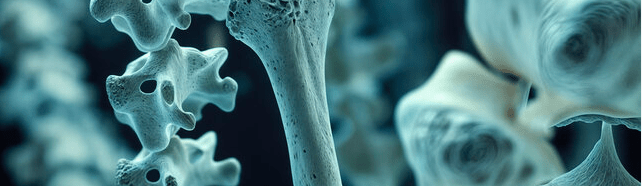

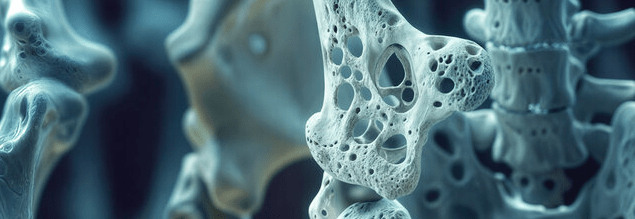





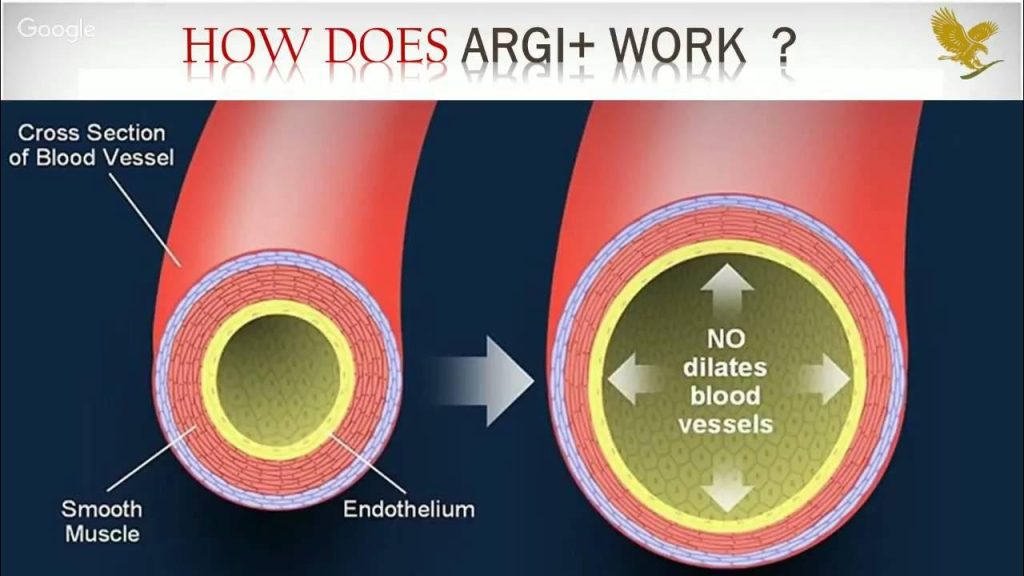
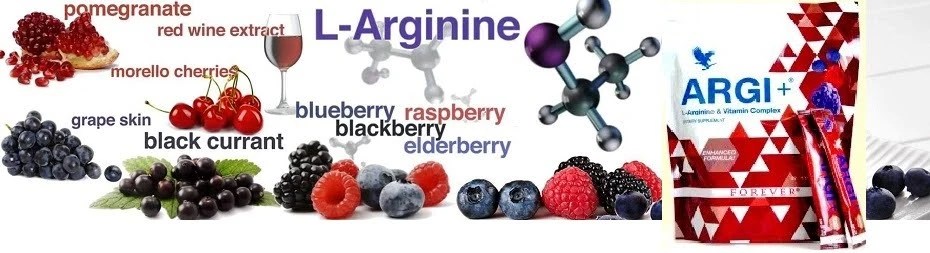



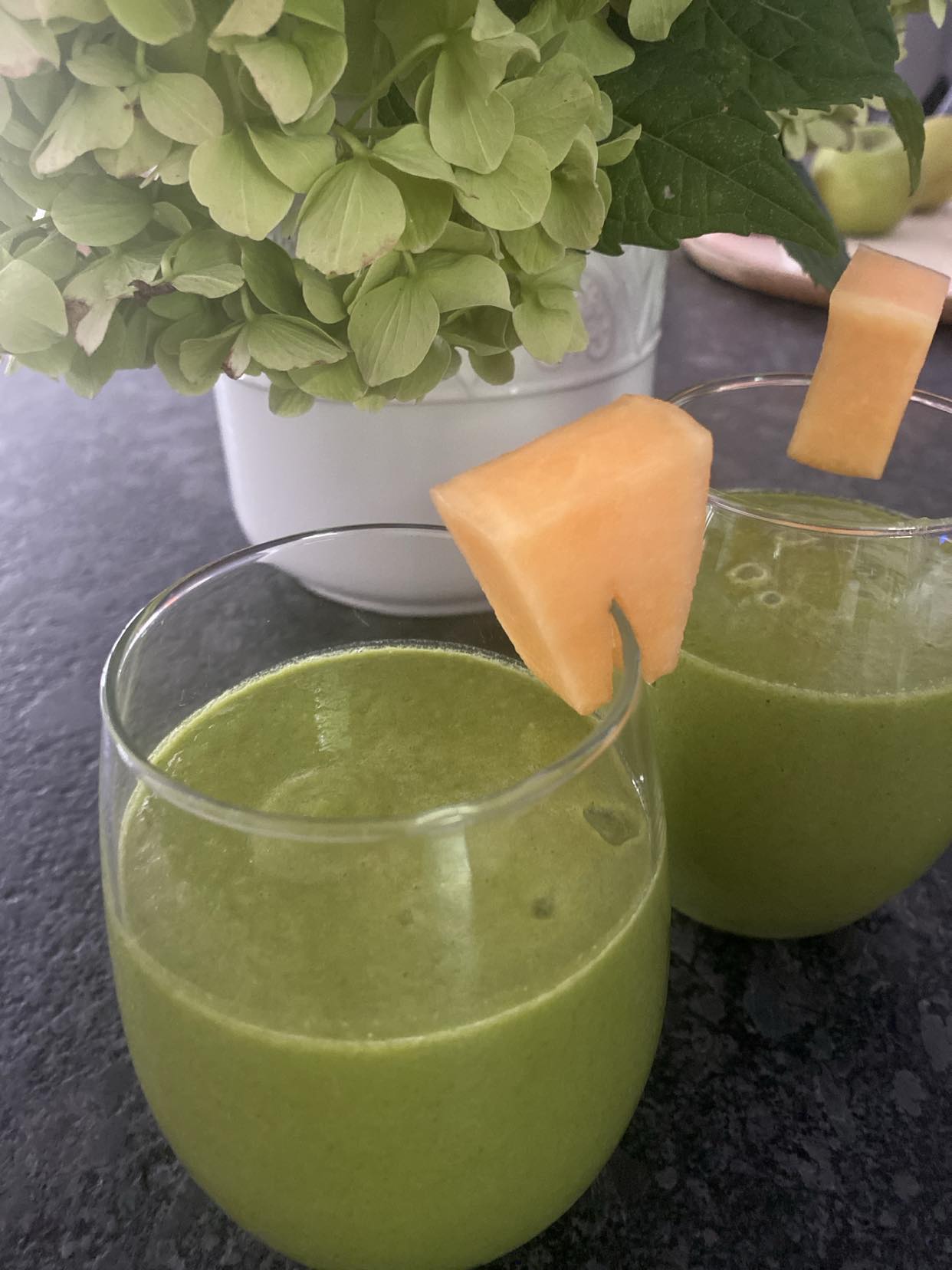

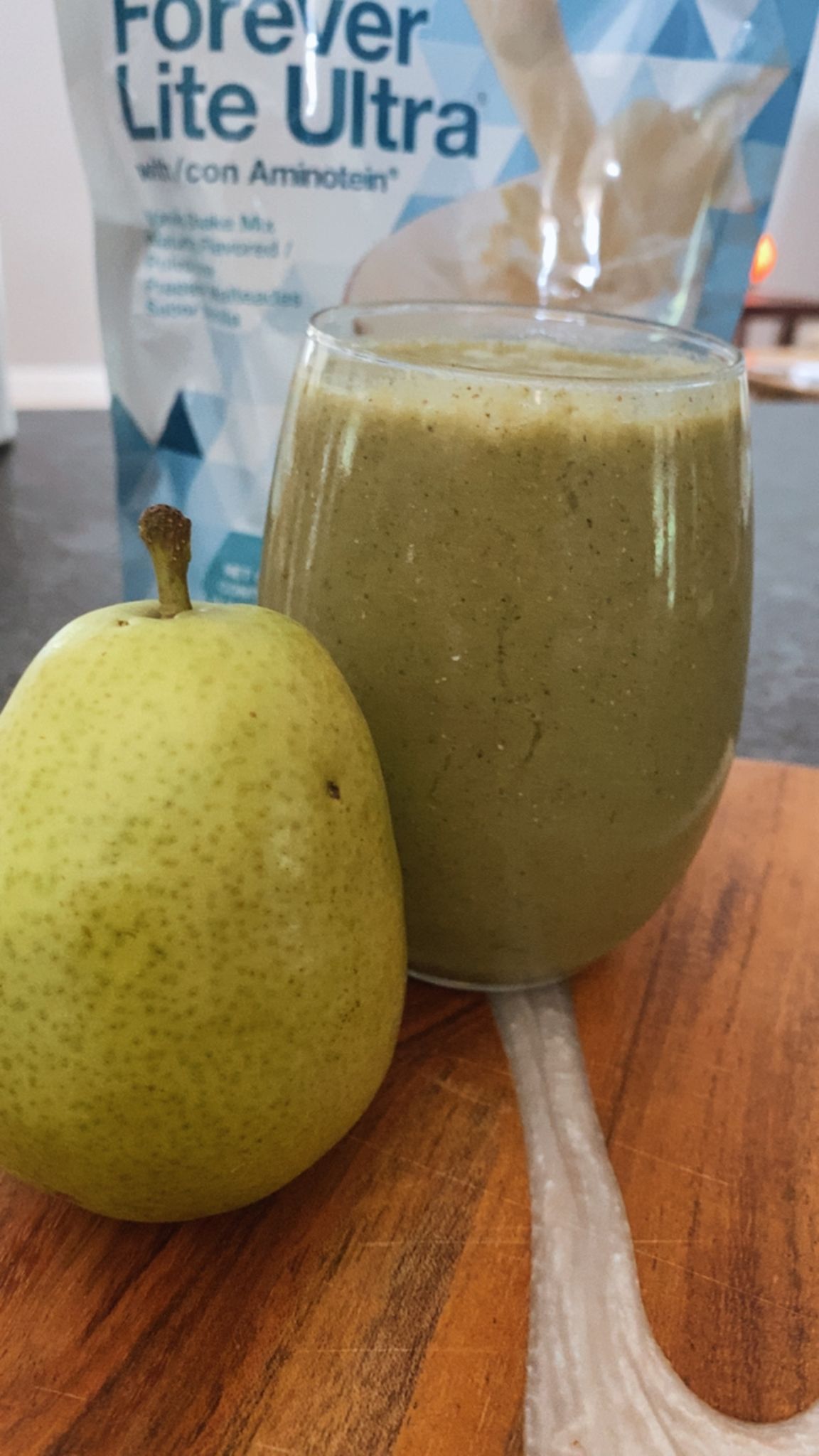


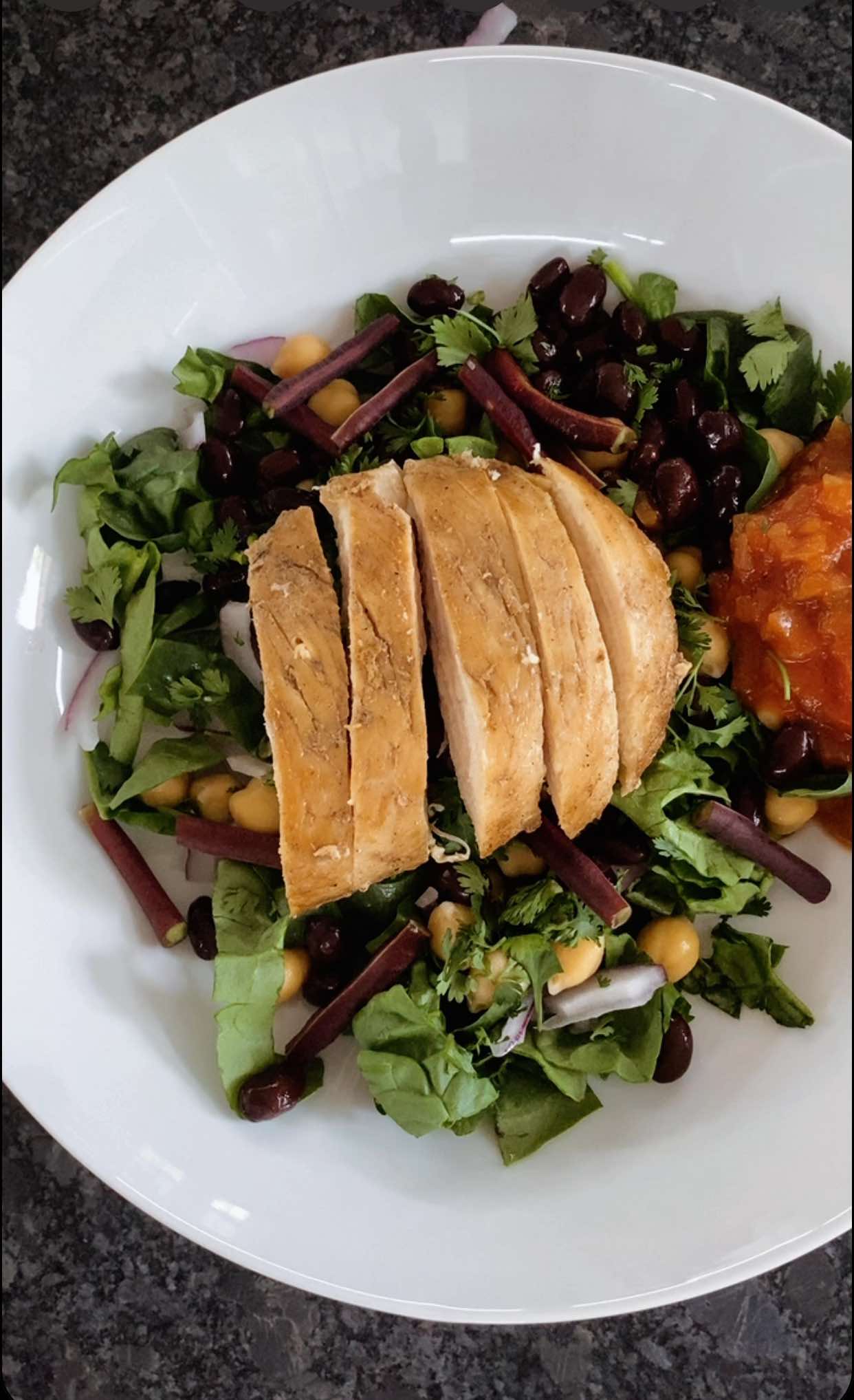
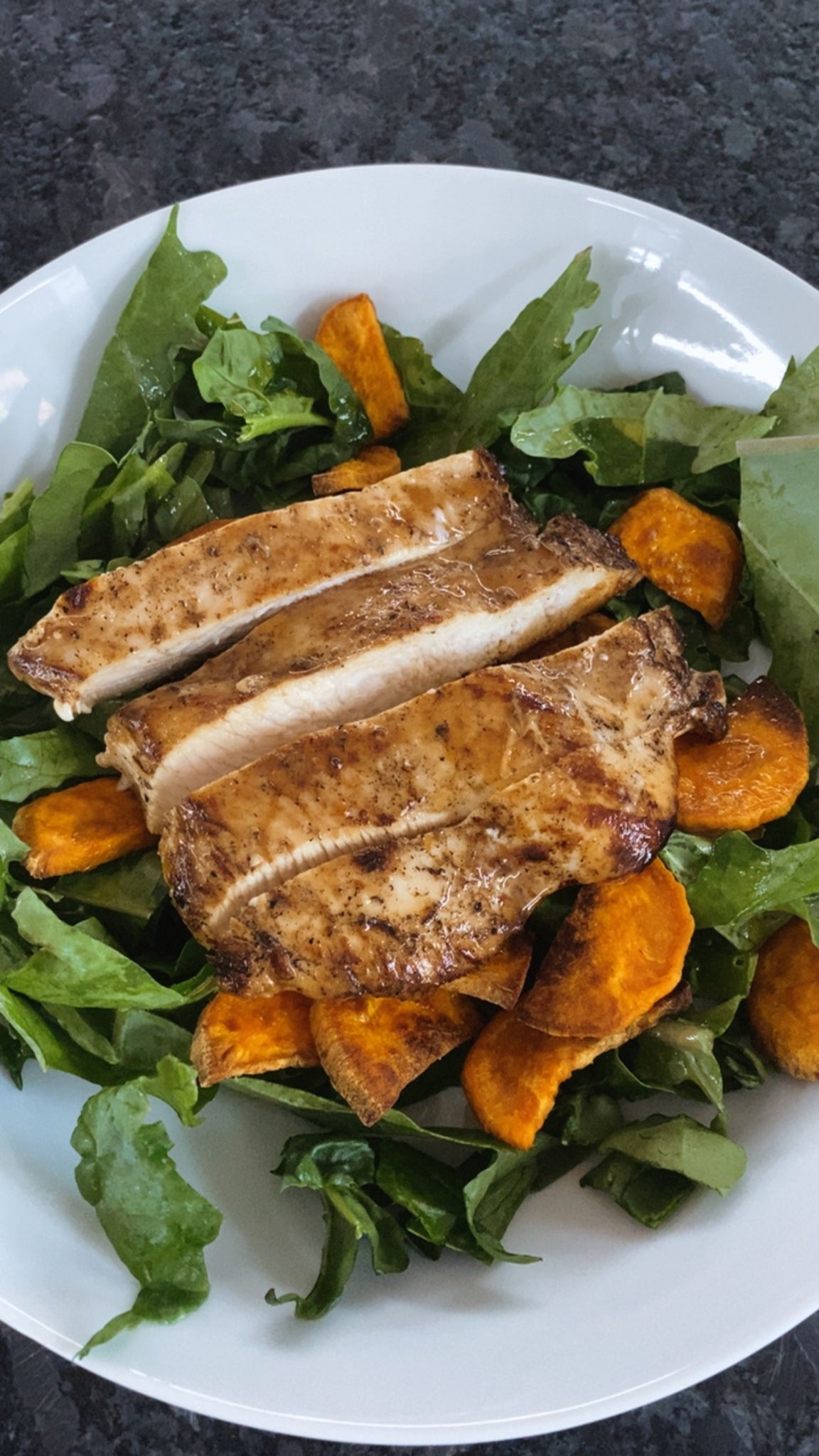






 Gut Health Matters