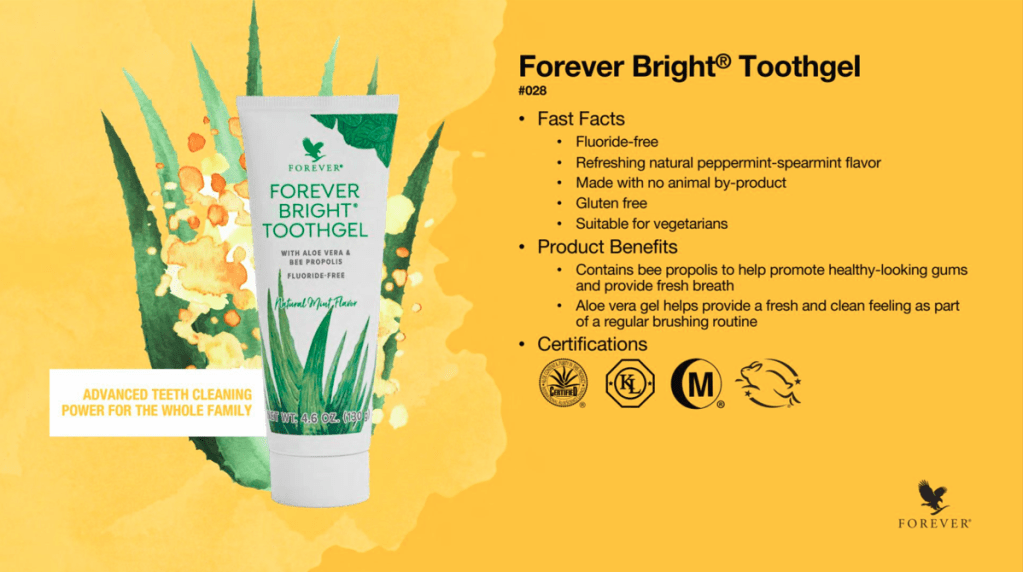
As someone who is passionate about holistic health, I know you’re always looking for the safest, most natural products for yourself and your family. Forever Bright® is one of those rare finds. This fluoride-free, vegan toothpaste offers a refreshing blend of natural peppermint and spearmint, leaving your mouth feeling clean and invigorated. The star ingredients, including aloe vera and bee propolis, help to promote healthy gums, prevent bad breath, and support oral health without the use of harmful chemicals.
Ethical and Cruelty-Free
One of the best features of Forever Bright® is that it’s made without testing on animals. We proudly carry the cruelty-free seal, ensuring that our products not only care for your health but also respect the welfare of animals. It’s peace of mind knowing that you’re choosing an ethically produced product that aligns with your values.
Safe for All Ages
Forever Bright® is also safe for the entire family! Adults who struggle with gingivitis will love the soothing benefits for their gums, while parents can feel at ease knowing that this toothpaste is gentle enough for young children. In fact, it’s safe if swallowed, making it an excellent option for little ones learning to brush their teeth.
Quality You Can Trust
Additionally, the formula’s natural ingredients ensure that you and your loved ones avoid harmful additives or preservatives, all while enjoying a fresh, clean feeling after every brush. Unlike many commercial brands, Forever Bright® doesn’t compromise on quality—it’s a blend of natural elements that can be trusted by vegans, vegetarians, and anyone committed to their health.
Try Forever Bright® Today!
If you’re interested in trying Forever Bright® and experiencing these benefits for yourself, I’m offering a free sample for subscribers. Simply sign up, and we’ll send a sample right to your door!
Try It Before You Buy It
Fill out this form and hit the SUBSCRIBE button below to claim your FREE SAMPLE of Forever Bright®
It’s Breast Cancer Awareness Month, and this is the perfect time for you and me to talk about your health and what we can do to lower your risks. Breast cancer is a growing concern for women around the world, and understanding the facts can help us make better choices. I’m here to guide you through the latest statistics, share why cases are rising, and give you some practical tips to protect yourself. Plus, let’s talk about a simple switch—like using Forever Living’s Aloe Ever-Shield Deodorant—that could make a real difference for your body.
Breast Cancer By the Numbers: What You Need to Know
Breast cancer affects more women than any other type of cancer. Did you know that:
In 2020, 2.3 million new cases of breast cancer were diagnosed globally?
1 in 8 women in the U.S. will be diagnosed with breast cancer during their lifetime.
While survival rates have improved, breast cancer remains the leading cause of cancer deaths among women.
Why Is Breast Cancer on the Rise?
Breast cancer is becoming more common, and it’s not just due to better screening. Lifestyle and environmental factors are also contributing. And unfortunately, experts predict that these numbers will continue to grow, which is why it’s so important for you and me to take action now.
What’s Causing This Increase?
While we can’t point to one single cause, we do know that several factors increase your risk of developing breast cancer:
Age: Your risk increases as you get older.
Family history: If breast cancer runs in your family, your risk is higher, especially if you have BRCA1 or BRCA2 gene mutations.
Hormones: Long-term exposure to estrogen can increase your risk. This includes factors like early menstruation, late menopause, or hormone therapy.
Lifestyle choices: Things like your diet, weight, alcohol consumption, and activity level also play a role.
What Can You Do to Lower Your Risk?
Here’s the good news: There are steps you and I can take to reduce your risk of breast cancer. While some factors, like age or genetics, are beyond our control, here’s what you can control:
Stay Active: Exercising regularly can help lower your risk. Aim for at least 150 minutes of moderate exercise each week. You and I can commit to moving our bodies more!
Eat a Healthy Diet: Maintaining a healthy weight helps reduce the amount of estrogen in your body, which is linked to breast cancer. Let’s focus on whole foods and balanced meals.
Limit Alcohol and Sugar: Did you know that drinking less and consuming less sugar can significantly reduce your risk of breast cancer? Try cutting back on both if you haven’t already.
Switch to Safer Products: Many of the products we use every day, like deodorants, contain harmful chemicals that could increase your risk. I recommend switching to natural options like Forever Living’s Aloe Ever-Shield Deodorant. It’s aluminum-free, gentle on your skin, and safe for your body.
Get Regular Screenings: Make sure you’re getting regular imaging (I love thermography and ultrasound) and doing self-exams. Early detection is key when it comes to treating breast cancer.
Why You Should Switch to Aloe Ever-Shield Deodorant
You might not realize it, but some deodorants contain aluminum, which has been linked to hormone disruption and even breast cancer. That’s why I love Forever Living’s Aloe Ever-Shield Deodorant. It’s free of aluminum and other harmful chemicals, so you can feel confident knowing you’re protecting yourself with a safer option. Plus, it’s gentle, effective, and has the added benefit of aloe vera, which is great for your skin.
Order Your Forever Living’s Aloe Ever-Shield Deodorant:
Men and Breast Cancer
A Growing Concern It might surprise you, but men can also get breast cancer, and cases are on the rise. Although breast cancer in men is much less common than in women, it’s still a serious health issue. Some potential causes include genetic factors (like mutations in the BRCA1 and BRCA2 genes), family history, and hormonal imbalances. Environmental factors, such as exposure to harmful chemicals in products like deodorants, may also play a role. Many commercial deodorants contain aluminum, which has been linked to hormone disruption. That’s why it’s just as important for men to switch to natural, safer products like Forever Living’s Aloe Ever-Shield Deodorant to reduce their risk.
Final Thoughts: Your Health is in Your Hands
This Breast Cancer Awareness Month, let’s commit to being proactive about your health. You have the power to make healthier choices that can lower your risk and protect your future. By eating better, staying active, switching to natural products, and getting regular screenings, you’re taking important steps toward a healthier, cancer-free life. Together, we can spread awareness and make a real difference!
If you’re already aware of the countless benefits of omega-3 fatty acids—improved heart health, sharper brain function, and reduced inflammation—you’re likely incorporating them into your diet. But what if I told you that your body might not be absorbing those omega-3s as effectively as it should? Many people take omega-3 supplements and don’t experience the full benefits, often due to issues with absorption.
So, what makes omega-3 hard to absorb, and how can you improve it? Let’s dive into the factors behind this mystery and how you can make sure your body is truly benefiting from these vital nutrients.
1. Fat Digestion Issues
Omega-3s are healthy fats, and like all fats, they require proper digestion to be absorbed into the bloodstream. If your digestive system isn’t working efficiently—especially if you’re not producing enough bile or enzymes—it becomes difficult to break down and absorb omega-3s. This is common for individuals with gallbladder issues or those suffering from digestive disorders.
Solution: You can improve fat digestion by supporting your body with digestive enzymes or bile salts if needed. Pairing omega-3s with other healthy fats in your meal can also stimulate better digestion.
2. The Form of Omega-3 Matters
Not all omega-3 supplements are created equal. Low-quality fish oils often come in ethyl ester form, which is harder for your body to absorb. On the other hand, triglyceride and phospholipid forms (like those found in high-quality fish oils or krill oil) are more easily absorbed because they mimic the natural form found in whole foods.
Solution: Always choose high-quality omega-3 supplements like Forever Arctic Sea, which provides omega-3 in a highly absorbable form from sustainable sources like calamari, anchovies, and sardines. These sources offer a potent balance of EPA and DHA, the two most crucial omega-3s.
To buy Forever Arctic Sea visit our on-line store:
3. Gut Health Issues
Your gut plays a significant role in nutrient absorption, including omega-3s. Conditions like leaky gut, irritable bowel syndrome (IBS), or celiac disease can interfere with how well your body absorbs essential nutrients. A compromised gut lining or inflamed digestive tract can prevent you from reaping the full benefits of your omega-3 supplements.
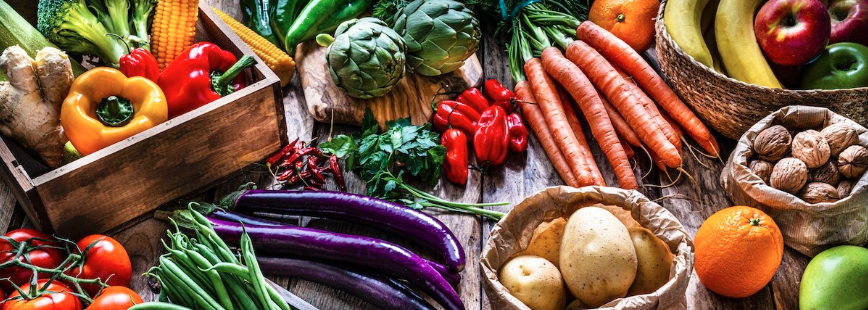
Solution: Focus on improving your gut health by consuming anti-inflammatory foods, fermented foods (like yogurt or kefir), and probiotics to restore your gut microbiome. Reducing processed foods and added sugars will also help heal the gut and enhance omega-3 absorption. Studies show that drinking aloe vera gel is also beneficial in healing your gut.
Forever Aloe Vera Gel is also available in our on-line store.
4. Not Eating Enough Healthy Fats
Many people make the mistake of taking omega-3 supplements on an empty stomach or with low-fat meals, reducing their absorption. Omega-3s are best absorbed alongside other dietary fats because they trigger the release of bile acids and digestive enzymes that help break down fats.
Solution: Always take your omega-3s with meals that include other healthy fats, like avocados, nuts, seeds, or olive oil. This ensures optimal absorption and maximizes the benefits.
5. Aging and Reduced Absorption
As we age, our body’s ability to produce digestive enzymes decreases, making it more challenging to break down and absorb fats, including omega-3s. This natural decline in digestive function can mean you’re not absorbing omega-3s as well as you did when you were younger.
Solution: Supplementing with digestive enzymes or eating foods that naturally stimulate enzyme production, such as ginger, pineapple, and papaya, can help older adults improve nutrient absorption.
Conclusion: How to Maximize Your Omega-3 Benefits
If you’ve been diligently taking omega-3 supplements but aren’t feeling the benefits, it could be because your body is struggling to absorb them. By choosing high-quality supplements like Forever Arctic Sea, supporting your digestive health, and pairing omega-3s with other healthy fats, you can enhance your body’s ability to absorb these essential nutrients.
In the end, it’s not just about what you take—it’s about how well your body can use it. Make sure you’re giving your body everything it needs to absorb omega-3s effectively so you can truly experience all the benefits they offer.
Get Your Gift
Fill out this form to receive your gift:
15% discount for your first time order at our on-line store:
In today’s world, “detox” is everywhere—on blogs, social media, and in advertisements for products that promise to cleanse the body and restore balance. For some, it’s just a passing trend. For others, it’s an essential path to better health. But is detox really just a fad, or is it a critical necessity in a world filled with toxins? Let’s dive into why detoxification is becoming increasingly important.
Modern Diseases Fueled by Toxins
We live in an era where our bodies are constantly bombarded with harmful substances. The air we breathe, the food we eat, and the water we drink are all contaminated with toxins. Pesticides, herbicides, heavy metals, artificial additives, and even medications accumulate in our systems over time. These substances are not just harmless irritants—they can be the root cause of many modern diseases, often referred to as “civilization diseases.”
Chronic conditions such as autoimmune diseases, heart disease, diabetes, and even certain cancers are all linked to the toxic load our bodies carry. Let’s take a look at some of the major contributors:
Pesticides and Herbicides: Found in conventionally grown fruits and vegetables, these chemicals are linked to hormone disruption, neurological issues, and increased cancer risk.
Processed Foods and Sugar: Highly processed foods filled with sugar and unhealthy fats trigger inflammation, insulin resistance, and lead to conditions like obesity and type 2 diabetes.
Heavy Metals: Substances like mercury, lead, and arsenic can accumulate in the body over time, affecting brain function, cardiovascular health, and increasing the risk of neurological disorders.
Medications: While medications are necessary for treating certain conditions, overuse and long-term exposure can strain the liver, kidneys, and digestive system.
Why Detoxification Is Vital for Health
Our bodies have natural detoxification systems—our liver, kidneys, lungs, and skin work tirelessly to eliminate waste and harmful substances. However, in today’s toxin-heavy world, these organs can become overwhelmed. Over time, this toxic buildup can impair their functioning and lead to health complications. This is where detox programs come into play.
A well-structured detox isn’t about starving the body or following extreme diets. It’s about supporting and enhancing the body’s natural detoxification processes, giving it the boost it needs to eliminate toxins more effectively.
Benefits of Detoxification
Boosted Energy Levels: By removing toxic burdens, your body can function more efficiently, leaving you feeling more energetic.
Improved Digestion: Detoxing helps the digestive system by eliminating processed foods and allowing your gut to reset, which can improve nutrient absorption and reduce bloating.
Clearer Skin: Many skin issues, including acne and rashes, can be linked to toxin overload. A detox can lead to clearer, more radiant skin.
Better Mental Clarity: Toxins can affect brain function, leading to brain fog and poor concentration. Detoxing can help sharpen mental clarity and focus.
Reduced Inflammation: Many chronic diseases are linked to inflammation caused by toxins. Detoxing helps lower inflammation in the body, reducing the risk of disease.
Is Detox Just a Trend?
Detoxing may be a popular concept, but it’s far from just a trend. With the rise in modern diseases, many of which are linked to lifestyle choices and environmental factors, detoxification is increasingly seen as a vital tool for maintaining long-term health.
It’s not about following the latest detox fad but about understanding the science behind cleansing the body and making informed, sustainable choices for your health. Whether it’s through a program like Clean 9 or simply adopting healthier habits like drinking more water, eating organic, and reducing processed food intake, detoxing can be an effective way to safeguard your body against the overwhelming number of toxins we face today.
Take Charge of Your Health
In a world filled with toxins, detoxification is more than just a health trend—it’s a necessity. If you’re ready to take charge of your health and learn more about detoxification, feel free to reach out. Together, we can help you create a personalized plan to cleanse your body and boost your wellbeing.
Get Your Gift
Fill out this form to receive your gift:
– my E-Book with 600 kcal meal recipes for group detox –
Aloe Vera, known for its medicinal and healing properties, has been revered for thousands of years. From the ancient world to modern times, this “plant of immortality” has been a trusted remedy for skin care and various ailments. Below, we trace Aloe Vera’s rich history through time, highlighting key figures and quotes that underscore its enduring power.
Ancient Egypt: Pharaoh Amenhotep and the Ebers Papyrus (1550 BCE)
The earliest known use of Aloe Vera in medicine can be traced back to ancient Egypt. The Ebers Papyrus, one of the world’s oldest medical documents, dates to around 1550 BCE during the reign of Pharaoh Amenhotep. This scroll includes 12 different formulations using Aloe Vera, which was employed for everything from treating burns to internal healing remedies. Egyptians revered Aloe Vera as the “plant of immortality,” using it extensively in their medical practices.
Ancient Greece and Rome: The Healers and Emperors (4th Century BCE)
Greek and Roman healers also embraced the healing properties of Aloe Vera. The plant was used in treatments for wounds, digestive issues, and skin conditions. Dioscorides, a prominent Greek physician and pharmacologist, documented Aloe Vera’s healing properties in his first-century pharmacopeia, De Materia Medica, which served as a medical reference for centuries. Pliny the Elder, a Roman author, also recorded Aloe Vera’s use for wound care and other ailments in his works.
Cleopatra (69-30 BCE): Beauty Secrets of a Queen
One of Aloe Vera’s most famous proponents was Cleopatra, the legendary queen of Egypt. Cleopatra used Aloe Vera as part of her daily skincare routine, applying it to her skin to preserve her beauty in the dry, arid climate. The cooling and moisturizing properties of Aloe Vera helped her maintain her radiant complexion, cementing its reputation as a beauty secret among royalty.
Christopher Columbus (1451-1506): The Healer of the High Seas
The power of Aloe Vera was not lost on explorers and sailors, such as Christopher Columbus. As he sailed across the world, Columbus relied on Aloe Vera to heal wounds and burns sustained during long, arduous voyages. In one of his famous quotes, Columbus said:
“Four vegetables are indispensable for the well-being of man: wheat, the grape, the olive, and the aloe. The first nourishes him, the second raises his spirit, the third brings him harmony, and the fourth cures him.”
This highlights the profound role Aloe Vera played in the health of sailors, helping them recover from injuries during their voyages of discovery.
Mahatma Gandhi (1869-1948): Aloe Vera and Spiritual Endurance
Aloe Vera’s role in sustaining physical health was acknowledged by Mahatma Gandhi, one of the most significant leaders of the 20th century. Gandhi undertook prolonged fasts as part of his nonviolent resistance campaigns, and Aloe Vera was among the few substances that helped him endure these periods of hardship. In a letter to his biographer, Gandhi wrote:
“You ask me what secret forces sustain me during my long fasts. Well, it is my unshakable faith in God, my simple and frugal lifestyle, and the Aloe whose benefits I have discovered upon my arrival in South Africa at the end of the 19th century.”
For Gandhi, Aloe Vera provided nourishment and resilience during his spiritual trials.
Ivan E. Danhof (20th Century): The Father of Aloe Vera Research
Dr. Ivan E. Danhof, known as the “Father of Aloe,” conducted extensive research on the plant’s medicinal properties. He dedicated much of his life to studying how Aloe Vera could benefit human health, from skin regeneration to immune system support. He remarked:
“Aloe Vera is the most impressive medicinal herb invented by nature.”
“If Aloe Vera were to be discovered today, and its remarkable healing properties investigated, it would be hailed as the wonder drug of this century.”
Danhof’s pioneering work laid the foundation for modern Aloe Vera research, bringing this ancient remedy into the realm of contemporary natural medicine.
Dr. H. R. McDaniel (20th Century): Aloe Vera’s Cellular Healing Power
Dr. H. R. McDaniel, another key figure in Aloe Vera research, recognized its immense potential in treating a range of diseases. His research showed how Aloe Vera could aid in cellular repair and immune function. McDaniel famously stated:
“The use of Aloe Vera will be the most important single step forward in the treatment of diseases in the history of mankind.”
This bold assertion emphasized Aloe Vera’s significance not only as a cosmetic ingredient but also as a revolutionary medicinal plant.
Aloe Vera in Modern Medicine: Acemannan and Disease Treatment
In more recent years, Aloe Vera has garnered attention for its potential in treating serious diseases. According to “Smart Medicine for Healthier Living”, a guide by Janet Zand, Allan N. Spreen, and James B. LaValle, an extract from Aloe Vera known as acemannan holds promise for treating serious illnesses:
“Acemannan, extracted from the Aloe Vera plant, appears to be a promising treatment for AIDS, cancer, and immune system disorders.”
“Acemannan, (…) is used both orally and intravenously, and has uses from antiviral, antifungal, and antibacterial (…).”
This underscores Aloe Vera’s growing role in cutting-edge medical research, moving beyond its traditional uses to potentially combat life-threatening diseases.
Mayo Clinic on Aloe Vera: A Plant of Timeless Value
The Mayo Clinic, one of the most respected medical institutions in the world, acknowledges the long-standing history of Aloe Vera in medicine. They note that the plant has been used for centuries for treating burns, wounds, and other skin conditions. According to their research, Aloe Vera’s benefits go beyond skincare, offering potential in areas such as digestion and immune system support. Aloe Vera continues to be studied for its numerous medicinal applications, highlighting its enduring relevance in both natural and conventional medicine.
A Plant That Transcends Time
Aloe Vera has traveled through the corridors of time, proving its worth from ancient Egypt to the laboratories of modern science. Whether it was Cleopatra’s beauty regimen, Columbus’s voyage healer, Gandhi’s fasting companion, or the subject of groundbreaking medical research, Aloe Vera has remained an indispensable part of humanity’s quest for healing and wellness.
In every era, Aloe Vera has been more than just a plant; it has been a symbol of nature’s power to nurture and heal, a legacy of ancient wisdom that continues to thrive in modern times. The secrets of Aloe Vera are as valuable today as they were millennia ago, offering a natural remedy for the challenges of life—past, present, and future.
To try our best aloe vera products, visit our on-line store below:
If you have any questions and would like to connect with our team, please email us at:
In the world of natural remedies, few ingredients stand out like aloe vera. Known for its soothing and healing properties, aloe vera has been a staple in skincare, wellness, and herbal medicine for centuries. But there’s more to this humble plant than meets the eye—aloe vera gel boasts incredible anti-inflammatory properties that make it a powerful ally in combating pain, swelling, and irritation.
What Causes Inflammation?
Before diving into how aloe vera works its magic, it’s important to understand what inflammation is. Inflammation is the body’s natural response to injury or infection, signaling that it’s working to heal and protect you. However, when inflammation becomes chronic, it can lead to conditions like arthritis, asthma, or even skin issues like eczema and psoriasis. This is where the powerful, soothing effects of aloe vera come into play.
Aloe Vera: The Anti-Inflammatory Hero
Aloe vera gel is rich in compounds that have been proven to reduce inflammation both inside and outside the body. These include:
Amino acids like histidine and glutamine, which help repair damaged tissue.
Enzymes such as bradykinase, known for reducing excessive inflammation when applied to the skin.
Polysaccharides that boost the immune system’s response and speed up healing processes.
Sterols that mimic the effects of natural anti-inflammatory steroids, helping to reduce swelling without the side effects of synthetic treatments.
These natural components come together to make aloe vera a potent remedy for soothing the body’s inflammatory responses.
How Aloe Vera Soothes Skin Conditions
Aloe vera gel is famous for treating burns and sunburns, but its benefits go much deeper. For people with eczema, psoriasis, and other skin conditions, aloe vera provides relief from the itching, redness, and irritation associated with inflammation. The gel’s natural antioxidants also help repair damaged skin cells, speeding up recovery and preventing further damage. Regular use of aloe vera can create a protective barrier on the skin, locking in moisture and soothing irritation.
Aloe Vera and Joint Health
For those suffering from joint pain, especially conditions like arthritis, the anti-inflammatory effects of aloe vera can offer significant relief. Applying aloe vera gel topically to sore joints can reduce swelling and stiffness. Ingesting aloe vera juice, which contains these same powerful compounds, may also support internal inflammation management, helping to reduce joint pain from the inside out.
Digestive Inflammation? Aloe Vera to the Rescue
Aloe vera’s anti-inflammatory properties aren’t just limited to the skin and joints. When taken internally, it can soothe and heal the digestive tract, reducing symptoms associated with inflammatory bowel disease (IBD), acid reflux, and even ulcers. The gel’s ability to coat and protect the lining of the stomach can help prevent further damage and promote healing.
The Best Ways to Use Aloe Vera
For external use, applying pure aloe vera gel directly to inflamed areas—whether it’s a rash, sore muscles, or sunburn—will give you immediate relief. For internal benefits, look for high-quality aloe vera juice or supplements that contain a concentrated form of the plant’s gel.
Why Choose Forever Aloe Vera?
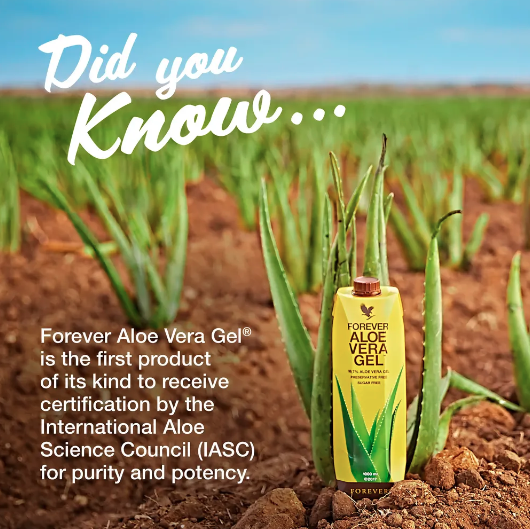
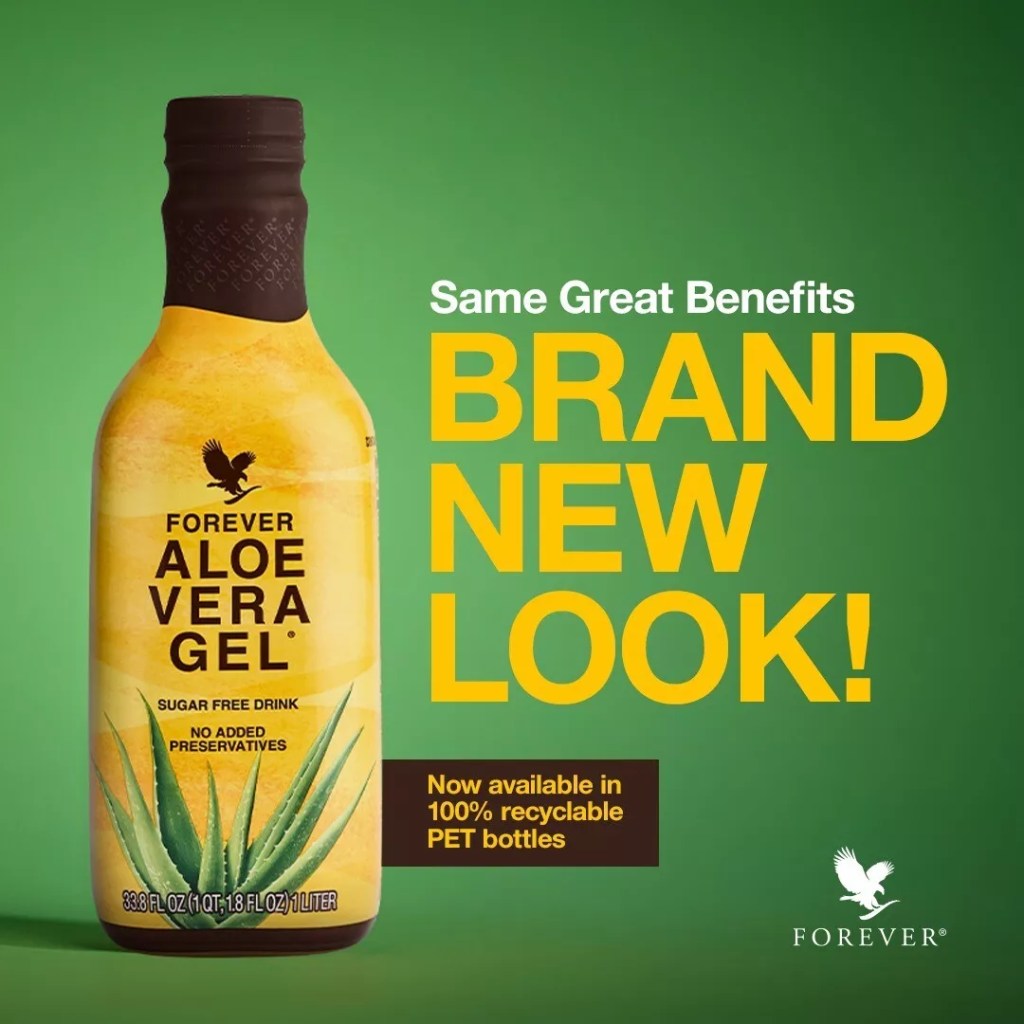
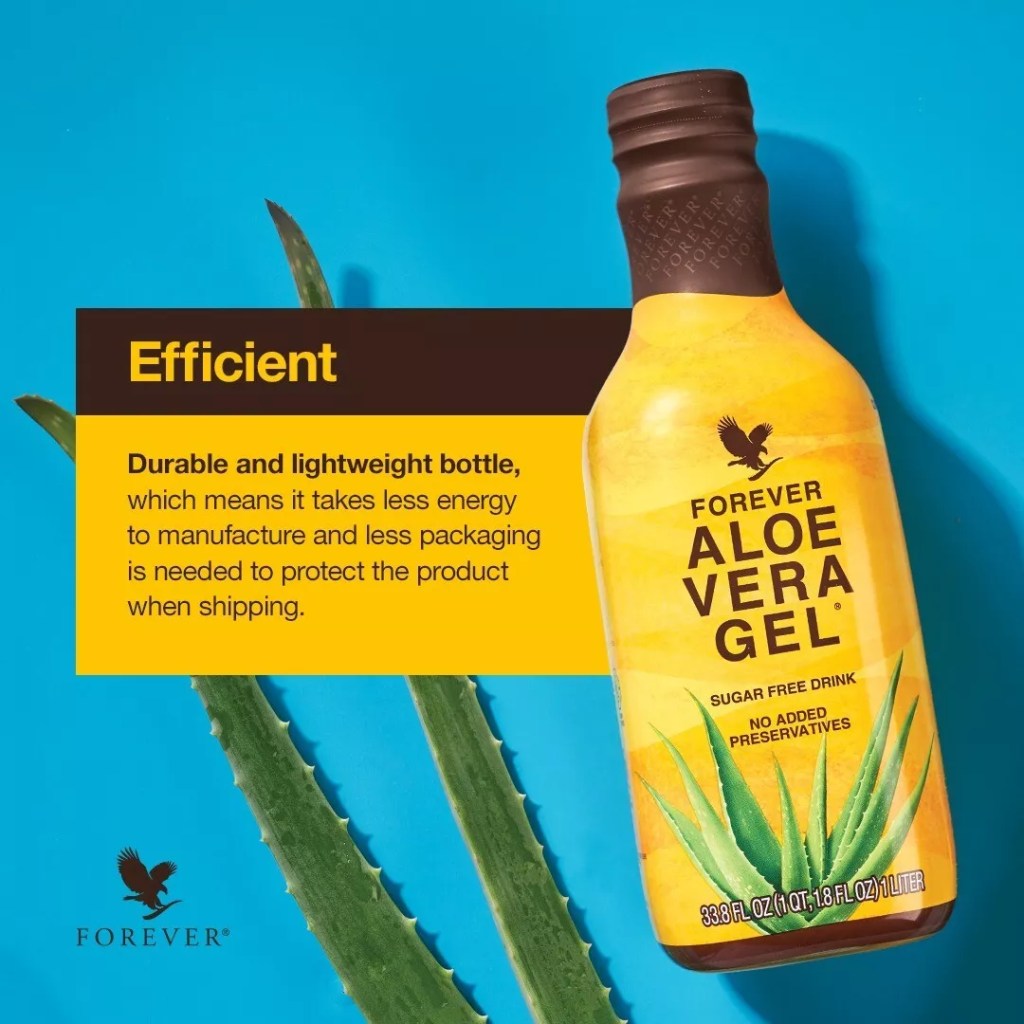
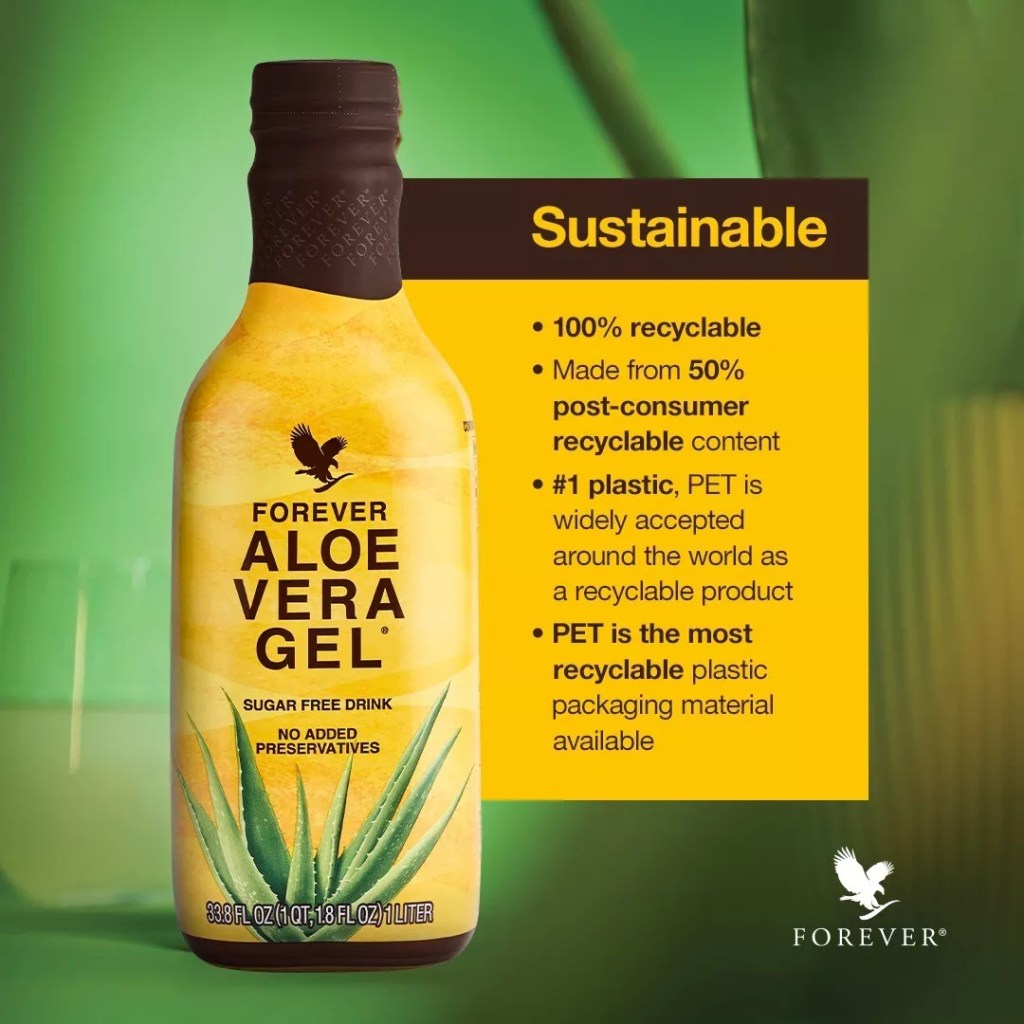
Forever Living’s Aloe Vera is unique because it’s harvested at the peak of freshness, stabilized for maximum potency, and free from additives or fillers. Every bottle of Forever Aloe Vera Gel is certified by the International Aloe Science Council for purity and quality, giving you the confidence that you’re using the very best aloe vera available. Whether you’re applying it topically or drinking it daily, Forever Aloe Vera offers powerful anti-inflammatory benefits you can trust.
A Natural, Safe Anti-Inflammatory Option
Unlike traditional anti-inflammatory medications, which can come with a host of side effects, Forever Aloe Vera is gentle on the body and safe for daily use. If you’re looking for a natural, effective solution to combat inflammation—whether it’s joint pain, skin conditions, or digestive issues—Forever Aloe Vera is a must-have in your wellness routine.
Conclusion
The anti-inflammatory properties of Forever Aloe Vera Gel go beyond temporary relief. They work at a deeper level to calm, heal, and protect your body, inside and out. Whether you’re dealing with inflamed skin, sore joints, or digestive discomfort, Forever Aloe Vera Gel can bring soothing, long-lasting relief. Add it to your routine today, and experience the incredible healing power of nature’s ultimate anti-inflammatory remedy.
When you’re trying to eat healthy, it’s easy to focus on the recipes, but what about the ingredients you’re buying? Even the healthiest-sounding dish can quickly lose its benefits if you’re using the wrong ingredients. Unfortunately, many store-bought products are loaded with additives, preservatives, and other harmful substances that can sabotage your efforts. If you’re aiming to stay healthy and lose weight, it’s time to look closely at what you’re putting in your cart.
1. Vegan Products: Read the Labels Carefully
Just because something is labeled “vegan” doesn’t mean it’s automatically healthy. Many vegan products are packed with soy—a controversial ingredient that can cause inflammation for some people. Be especially wary of any unwanted additives, preservatives, and modified ingredients like sugars, artificial flavorings, and dyes. These hidden ingredients can hinder your weight loss efforts and harm your health. Always check the labels, and choose minimally processed options when you can.
2. Fish: Wild-Caught vs. Farm-Raised
If you’re including fish in your diet, always choose wild-caught over farm-raised. Wild-caught fish is leaner and has a healthier balance of omega-3 to omega-6 fatty acids. On the other hand, farm-raised fish typically have a higher content of omega-6 fatty acids, which can contribute to belly fat and inflammation. Remember, not all fish are equal, and opting for wild-caught can make a big difference in your health.
3. Organic Produce: Worth the Investment
Whenever possible, choose organic produce. Organic fruits and vegetables generally have higher fiber content and more nutritional value. If you’re concerned about cost, focus on buying organic for items on the Dirty Dozen list (those with the highest pesticide residues), while opting for non-organic for items on the Clean 15 list, which tend to have lower pesticide levels. Educating yourself on these lists can help you make better, more cost-effective choices.
4. Watch for Hidden Sodium
One of the sneakiest ingredients in packaged foods is sodium. Many healthier-seeming substitutions (like low-fat sauces or pre-made meals) are loaded with sodium, which can cause bloating and weight gain. To avoid this, always read the label and don’t buy anything with more than 230 milligrams of sodium per serving. A low-sodium diet can make a noticeable difference in your overall health and how you feel.
5. Sugar: Don’t Let It Sneak In
Sugar is one of the biggest culprits that can derail a healthy eating plan. The key is to look at the ingredient list—never buy anything that has sugar listed in the first three ingredients. Ingredients are listed by quantity, so if sugar is one of the top ingredients, that product is likely full of it. This is especially important for things like yogurts and milks, which often contain unexpected sugar additives. Be mindful of the sugar content in these “healthy” items.
6. Chocolate: Stick to the Good Stuff
If you’re a chocolate lover, don’t worry—you don’t have to give it up! But you do need to choose wisely. Always opt for chocolate that is at least 70% cacao and all-natural, with no added sugars. Chocolate with a high cacao content can actually support weight loss and provide other health benefits, but only when it’s free of artificial ingredients.
Educating Yourself Is Key
The grocery store can be a minefield of unhealthy options disguised as “healthy” choices. It’s crucial to educate yourself on how to read labels, understand ingredient lists, and know which products are truly beneficial for your health. By making smarter choices at the store, you’ll be able to stick to your healthy recipes while avoiding ingredients that sabotage your goals.
Get Your Gift
Fill out this form to receive your gift:
– a current list of Dirty Dozen and Clean Fifteen –
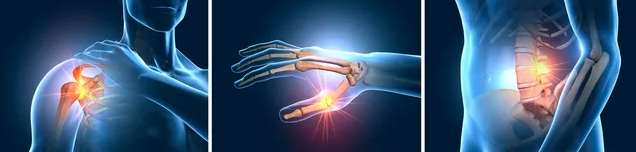
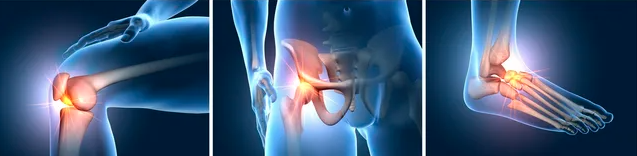
Most people don’t realize that the human body is made up of 360 joints—all working together to allow movement, flexibility, and support. Whether it’s bending down to tie your shoes or lifting your arms overhead, your joints are constantly working to keep you mobile. But with time, improper care, and certain lifestyle factors, these joints can start to wear down, leading to pain and discomfort.
In today’s world, joint health has become a major concern, especially with the rise of arthritis, a condition that affects millions globally. According to recent estimates, about 25% of adults in the U.S. have some form of arthritis, with numbers climbing as the population ages. The most common form, osteoarthritis, is often associated with wear and tear on the joints, but it isn’t just limited to older adults. With sedentary lifestyles, excess weight, and lack of proper nutrition, people are experiencing joint pain earlier in life than ever before.
Why Are Our Joints Breaking Down?
Joints are intricate structures composed of bones, cartilage, synovial fluid, and ligaments that allow us to move smoothly. However, several factors can lead to joint degradation, including:
Age: As we age, the cartilage that cushions our joints wears away, and the body’s natural production of joint-supporting compounds like glucosamine slows down.
Inflammation: Chronic inflammation, whether due to autoimmune disorders or lifestyle factors, can erode joint tissue, leading to conditions like rheumatoid arthritis.
Obesity: Carrying excess weight puts extra pressure on joints, particularly those in the knees, hips, and spine. Over time, this accelerates wear and tear.
Sedentary Lifestyles: Lack of movement weakens the muscles around joints, increasing the risk of injury and reducing flexibility.
Nourishing Your Joints: What You Need
If you want to keep all 360 of your joints healthy and moving, nutrition is key. Certain foods and supplements can help reduce inflammation, promote cartilage repair, and improve joint lubrication.
1. Omega-3 Fatty Acids
Found in fish like salmon, walnuts, and flaxseeds, omega-3 fatty acids are essential for reducing joint inflammation. Studies have shown that regular intake of omega-3s can decrease morning stiffness and joint pain, making them crucial for arthritis prevention and management.
2. Collagen
Collagen, particularly Type II collagen, is essential for maintaining healthy cartilage. As the main structural protein in your body, collagen helps to keep joints resilient. Supplementing with collagen can help promote cartilage regeneration and relieve joint discomfort.
3. Vitamin D
Many people are deficient in Vitamin D, a nutrient that plays a crucial role in bone and joint health. Adequate vitamin D levels help the body absorb calcium, which is necessary for maintaining strong bones and joints. Ensuring you get enough through sun exposure, diet, or supplements can support joint health.
4. Glucosamine & Chondroitin
These two compounds are naturally found in cartilage and are often used in combination to support joint health. Glucosamine helps repair cartilage, while chondroitin helps retain water in the cartilage, keeping it elastic and well-cushioned.
5. Antioxidants
Antioxidants like vitamin C and vitamin E help neutralize free radicals that cause inflammation and cartilage damage. Foods rich in these vitamins—such as berries, oranges, spinach, and nuts—can be protective against joint deterioration.
6. Hyaluronic Acid
Hyaluronic acid is naturally found in the body and plays a crucial role in joint lubrication. As we age, hyaluronic acid levels drop, leading to stiffer joints. Supplementing with hyaluronic acid can help replenish this crucial substance and improve joint flexibility.
7. Turmeric (Curcumin)
Curcumin, the active ingredient in turmeric, is a potent anti-inflammatory that has been shown to reduce joint pain and swelling. Adding turmeric to your diet or taking it as a supplement can provide natural relief from arthritis symptoms.
Lifestyle Tips for Joint Longevity
Nutrition is just one piece of the puzzle when it comes to joint health. Lifestyle choices play a major role in keeping your joints functional and pain-free.
Stay Active: Regular movement keeps your joints lubricated and strengthens the muscles that support them. Low-impact exercises like swimming, cycling, and walking are especially good for joint health.
Stretch Regularly: Flexibility exercises like yoga or simple stretching routines can help improve joint mobility and reduce stiffness.
Maintain a Healthy Weight: Every extra pound puts stress on your joints, particularly the knees, hips, and lower back. By maintaining a healthy weight, you reduce the strain on your joints and decrease your risk of developing arthritis.
Hydrate: Joints rely on adequate hydration to function properly. Drinking enough water ensures that the synovial fluid in your joints remains thick and lubricating.
The Importance of Early Intervention
When it comes to joint health, prevention is far better than cure. If you’re experiencing joint discomfort—even minor—it’s important to act early. Incorporating joint-supporting foods, supplements, and lifestyle habits into your daily routine can help delay or even prevent the onset of arthritis and other joint-related conditions.
Our bodies are designed to move, and every joint plays a part in making that possible. Whether you’re a weekend warrior, an office worker, or just looking to stay active as you age, giving your joints the care they deserve will pay off in the long run.
Conclusion
With 360 joints to care for, maintaining joint health should be a priority for everyone. Through the right combination of nutrients, supplements, and lifestyle changes, you can protect your joints from wear and tear and enjoy years of pain-free movement. Start today by nourishing your joints, staying active, and incorporating simple, joint-friendly habits into your life.
Our bodies are incredibly powerful, self-regulating systems that constantly work to maintain balance and optimal health. One of the most critical processes for staying healthy is the body’s ability to eliminate toxins and waste. While our modern lifestyles often expose us to more toxins than ever before—through processed foods, pollutants, and everyday chemicals—our bodies have built-in elimination channels designed to manage and filter these substances.
By understanding and supporting these major channels of elimination, we can enhance our body’s natural detoxification process and improve our overall well-being. In this article, we’ll explore six essential detox pathways and why a regular, natural detox routine is crucial for keeping them functioning at their best.
1. Skin: The Body’s Largest Detox Organ
Our skin is not only the largest organ in the body but also one of the most vital when it comes to eliminating toxins. Sweating helps the skin release heavy metals, excess salts, and metabolic waste. However, modern living—such as exposure to synthetic skincare products, pollution, and even tight clothing—can clog pores and hinder this detox process. To support your skin’s role in detoxification, it’s essential to stay hydrated, use clean, non-toxic skincare products, and consider practices like dry brushing or using saunas to promote sweating. These methods can help open up the pores and encourage the release of toxins, leaving your skin clearer and healthier.
2. Respiratory System: Clearing the Air
Your lungs are responsible for one of the most critical forms of elimination: breathing out carbon dioxide. However, they also help eliminate other gaseous toxins we might inhale from pollution, cigarette smoke, and household chemicals. To keep your respiratory system functioning optimally, you can practice deep breathing exercises, get regular cardiovascular exercise, and spend time in clean, fresh air environments. Opening windows in your home and using air purifiers can also reduce indoor air toxins.
3. Lymphatic System: The Waste Transport Highway
Often overlooked, the lymphatic system is a critical detox pathway. It serves as the body’s waste removal system by transporting toxins from tissues and cells to be expelled. Unlike the circulatory system, which has the heart to pump blood, the lymphatic system relies on movement to function. This means regular exercise, stretching, and even manual lymphatic massage are key to stimulating the flow of lymph. Staying hydrated and incorporating dry brushing into your routine also helps your lymphatic system eliminate toxins more efficiently.
4. Colon: Clearing Waste from the Body
The colon is the body’s main elimination system for solid waste. When digestion is working optimally, the colon regularly clears out toxins and prevents them from being reabsorbed into the bloodstream. However, poor dietary choices, dehydration, and lack of fiber can lead to waste buildup, contributing to bloating, discomfort, and a sluggish system. To support your colon, focus on eating fiber-rich whole foods like fruits, vegetables, and whole grains. Drinking plenty of water and maintaining a healthy gut microbiome with probiotics can also improve digestion and regularity, keeping this vital elimination channel clear.
5. Liver: The Detox Powerhouse
The liver is one of the hardest-working organs when it comes to detoxification. It filters toxins from the blood, neutralizes chemicals, and breaks down harmful substances into forms that can be safely eliminated through the bile or urine. However, the liver can become overburdened by processed foods, alcohol, and environmental toxins. You can support liver function by eating foods rich in antioxidants, such as leafy greens, berries, and cruciferous vegetables (like broccoli and cauliflower). Reducing alcohol intake, avoiding processed foods, and incorporating liver-supportive herbs like milk thistle and turmeric can help this organ perform optimally.
6. Kidneys: Filtering Toxins from the Blood
Your kidneys filter toxins and waste from the blood, regulate fluid balance, and expel these harmful substances through urine. However, they require adequate hydration to function properly. Drinking plenty of water throughout the day is the best way to support your kidneys. Additionally, foods rich in potassium, such as bananas, avocados, and sweet potatoes, help maintain kidney function. Reducing your intake of sodium and avoiding processed foods can also support your kidneys in their critical role.
The Importance of Aloe Vera Gel Between Detoxes
In between structured detox programs, it’s highly recommended to regularly drink aloe vera gel to help support your body’s natural cleansing processes. Aloe vera is well-known for its ability to aid digestion, soothe the gut, and promote regularity. By incorporating aloe vera gel into your daily routine, you can keep your digestive system running smoothly, support your liver and colon, and provide a gentle, ongoing detox for your body. It’s a simple and effective way to maintain the health of your elimination channels while giving your body the extra boost it needs to stay clean and balanced.
Why Regular Detox is Crucial
Your body’s natural elimination channels work tirelessly every day, but modern living often puts an extra burden on them. From environmental pollutants to processed foods and stress, our bodies are exposed to more toxins than ever before. That’s why doing regular detox practices is so important. Natural detox programs help “reset” your body, assisting these filters in cleaning out built-up toxins and waste. Whether it’s a short detox plan focused on eating clean, hydrating, and supporting digestion or a more structured detox program, regular cleansing can significantly improve how you feel. Benefits can include improved digestion, clearer skin, better energy levels, and a stronger immune system.
How to Support Your Body’s Detox Channels
If you want to help your body’s natural detox process, consider incorporating these simple but effective practices into your lifestyle:
Drink plenty of water to keep your kidneys and colon functioning properly.
Eat a diet rich in fiber, antioxidants, and clean protein sources to support your liver and digestive system.
Incorporate movement, whether it’s walking, yoga, or exercise, to stimulate your lymphatic system and encourage detox through sweat.
Use natural, non-toxic skincare products and spend time in the sauna to help your skin detoxify.
By focusing on these daily habits and practicing regular detox routines, you’re giving your body the support it needs to function at its best.
If you’re looking for personalized guidance on starting a natural detox or want to learn more about detox practices that fit your lifestyle, feel free to reach out! I’m here to help you on your journey to better health and well-being.
With so many brands marketing aloe vera products, it can be overwhelming to determine which ones offer the true benefits of pure aloe vera gel. The term “aloe vera gel” is often used loosely, but not all products are created equal. This post will guide you through the key factors to consider and how to avoid being misled by tricky labeling and deceptive marketing.
Don’t Be Fooled by “Aloe Vera Juice” vs. “Aloe Vera Gel”
One common tactic some companies use is labeling a product as “aloe vera gel” when it actually contains aloe vera juice. Aloe vera juice is often made by diluting the gel with water, significantly reducing its concentration and effectiveness. For example, a product may claim to contain “99% organic aloe vera juice” but still market it as gel. In reality, thickening agents are often added to mimic the consistency of real aloe vera gel, making the product seem more authentic than it is.
The key takeaway here is to read the ingredient list carefully. Look for aloe vera gel, not juice, as the primary ingredient. A true aloe vera gel should list Aloe Barbadensis Leaf Gel as the main component, with minimal additives typically used for preservation.
Look for Products That Specify “Inner Leaf Aloe Vera Gel”
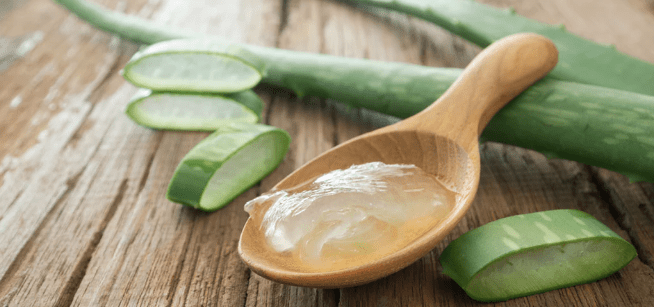
When choosing the best aloe vera gel, another important distinction is whether the product uses the inner leaf of the plant. The inner leaf contains the purest and most potent form of aloe gel, known for its superior healing and soothing properties.
Some companies go the extra mile by extracting only the inner leaf gel, ensuring a higher-quality product. However, other manufacturers may grind the whole leaf, including the outer part, which contains unwanted compounds like aloin. These impurities are removed later, but the process is less efficient. For the purest and safest form of aloe vera, choose products that specifically use inner leaf aloe gel.
Ingredient Transparency is Key
Be cautious of products with vague or deceptive labeling. It’s not uncommon for companies to boast that their product “contains aloe vera,” without specifying how much of it is genuine aloe gel. If the ingredient list contains a long list of thickening agents, and artificial preservatives, it’s a red flag. These unnecessary fillers dilute the aloe vera and reduce its effectiveness.
When checking the ingredients, here’s what you should look for:
Aloe Barbadensis Leaf Juice or Gel should be the first ingredient.
Minimal Additives: A high-quality aloe vera gel may contain a natural preservative like citric acid or ascorbic acid, but it should not have unnecessary fillers.
Look for Certifications
Certifications from credible organizations like the International Aloe Science Council (IASC) can help you verify a product’s purity and efficacy. These certifications ensure that the product meets strict quality standards, so always check for such seals to avoid falling for deceptive products.
The Importance of Understanding Labels and Why Regulatory Differences Matter
Understanding the difference between nutritional labels and supplement labels is crucial because these regulatory differences directly affect product quality. Products with nutritional labels are required to undergo stricter testing and provide a detailed ingredient breakdown. This gives you confidence that you’re purchasing a purer, more effective product.
Nutritional Labels: Found on food and beverage products, nutritional labels offer transparency about the contents and purity of the product. Products like those containing 99.7% inner leaf aloe vera gel typically have these labels, providing clear information about their composition.
Supplement Labels: These labels, found on health supplements, offer more flexibility to manufacturers and are not as strictly regulated. This means companies can use fillers and additives without fully disclosing the true content of the product, which can dilute the effectiveness of aloe vera.
By recognizing these regulatory differences, you can better evaluate the quality of the aloe vera gel you’re buying and avoid products with unnecessary additives.
Why This Matters
Aloe vera is known for its healing and soothing properties, especially for skin and digestive health. However, only high-quality, minimally processed aloe vera gel will deliver these benefits. Products that are diluted with water or filled with additives won’t provide the same results and could lead to disappointment.
Finding the best aloe vera gel requires attention to detail, but it’s worth the effort. Understanding the differences between nutritional and supplement labels, reading the ingredient list carefully, and looking for reputable certifications can help you avoid being misled by marketing claims. Always choose products with high percentages of inner leaf aloe vera gel and minimal additives to ensure you’re getting the best product for your health and make sure the nutritional (not supplement) label has been provided.
Remember, just because a product says “aloe vera” on the label doesn’t mean it’s pure. Take the time to research, and don’t be swayed by flashy packaging. By following these guidelines, you’ll be able to enjoy the full benefits of true aloe vera gel.






















 Gut Health Matters