
When it comes to protecting our bones as we age, the first thing that comes to mind for most people is calcium. We’ve been told over and over that drinking milk or taking calcium supplements is the magic bullet for strong bones. But what if I told you that focusing solely on calcium might be missing the bigger picture?
Understanding the Real Culprits Behind Osteoporosis
Osteoporosis, a condition where bones become brittle and fragile, isn’t just about a lack of calcium. It’s a complex issue influenced by various factors, including diet, lifestyle, and even the foods we should avoid. Here’s what you really need to know to safeguard your bones:
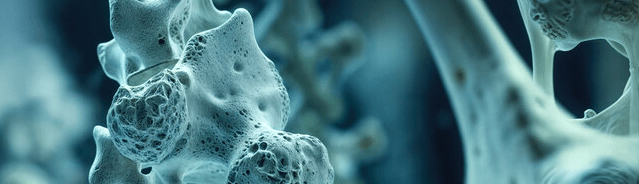
1. Protein: The Unsung Hero for Bone Health
We often overlook protein’s role in bone health. Yet, proteins are crucial for maintaining and repairing tissues, including bones. Proteins provide the scaffolding that supports bone mineralization, which means without enough protein, your bones may not have the structure they need to stay strong.
Study Evidence: A study published in Osteoporosis International found that elderly individuals with higher protein intake had a 70% lower risk of hip fractures compared to those with lower protein intake. This shows just how essential adequate protein is for maintaining bone strength.
Human Body Composition Insight: The human body is composed of approximately 20% protein, emphasizing the need to consume enough high-quality protein to support not only muscle mass but also bone structure. For an average European, the protein intake often ranges between 9-15%, while the ideal should be closer to 20% to match the body’s natural composition.
2. Magnesium: The Mineral That Helps Calcium Work
Magnesium plays a pivotal role in bone health, often working in tandem with calcium. It helps convert vitamin D into its active form, which in turn aids calcium absorption. Without enough magnesium, calcium may not be as effective in maintaining bone density.
Study Evidence: Research in the Journal of the American College of Nutrition showed that higher magnesium intake was associated with greater bone mineral density in older adults. Despite this, nearly 50% of the U.S. population consumes less than the recommended amount of magnesium.
Human Body Composition Insight: Although minerals account for only 4% of the human body’s composition, the role of magnesium within this fraction is crucial. Many people focus heavily on calcium, overlooking the essential role of magnesium, which should be consumed in the range of 310-420 mg per day to maintain optimal bone health.
3. Vitamin D: The Sunshine Vitamin
Vitamin D is critical for bone health because it aids in the absorption of calcium and phosphorus, another key mineral for bones. Without sufficient vitamin D, your body can’t absorb the calcium you consume, no matter how much you take in.
Study Evidence: A large meta-analysis published in The Lancet Diabetes & Endocrinology found that vitamin D supplementation significantly reduced the risk of hip fractures by up to 30% in older adults.
Human Body Composition Insight: While water makes up about 65% of the human body, vitamin D’s role, though tiny in proportion, is monumental in ensuring that the calcium within your system is utilized effectively. An intake of 600-800 IU per day is recommended, with higher amounts potentially needed in areas with less sunlight.
4. Vitamin K2: The Overlooked Protector
Vitamin K2 works by helping to direct calcium to the bones where it’s needed and preventing it from depositing in the arteries, which could lead to cardiovascular issues. It’s like the traffic cop that makes sure calcium goes to the right place.
Study Evidence: A study published in Osteoporosis International demonstrated that postmenopausal women who consumed higher amounts of vitamin K2 had a significantly lower risk of hip fractures. Despite its importance, vitamin K2 is often under-consumed in Western diets.
Human Body Composition Insight: While minerals may make up only about 1-1.5% of the body in an average American, ensuring adequate vitamin K2 intake is crucial to making sure that the small but critical amount of calcium in your body is used correctly.
5. Collagen: The Building Block for Bone Structure
Collagen, often touted for its skin benefits, also plays a crucial role in bone health. It’s the most abundant protein in your body and provides the framework upon which minerals like calcium are deposited. Without adequate collagen, your bones can become brittle and more susceptible to fractures.
Study Evidence: Research published in Nutrients highlighted that collagen supplements improved bone mineral density in postmenopausal women, a group particularly at risk for osteoporosis. By supporting the integrity of the bone matrix, collagen ensures that your bones remain strong and flexible.
Human Body Composition Insight: Since collagen is a major component of the bone matrix, making up about 30% of bone tissue, ensuring an adequate intake of collagen through diet or supplementation can be pivotal in maintaining bone health. Foods like bone broth, fish, and collagen supplements can help support your body’s natural collagen production, providing a vital foundation for strong bones.
6. Limit Your Sugar and Refined Carbohydrates
Here’s where we need to consider not just what to add to our diets, but also what to eliminate. Excessive sugar and refined carbohydrates can lead to an acidic environment in your body. To neutralize this acidity, your body may pull calcium from your bones, weakening them over time.
Study Evidence: A study in The American Journal of Clinical Nutrition found that high sugar intake was associated with lower bone mineral density in adolescents, a trend that could continue into adulthood.
Human Body Composition Insight: In an average American, carbohydrates can make up as much as 25-65% of their dietary intake, often skewed toward refined sugars and processed foods. This imbalance can lead to a detrimental acidic environment, further depleting essential minerals like calcium and magnesium from your bones.
7. Avoid Excessive Salt Intake
A diet high in salt can cause calcium to be excreted from the body through urine, reducing the amount of calcium available to build and maintain strong bones.
Study Evidence: Research has shown that high sodium intake can increase calcium loss in the urine, leading to bone thinning over time. The average American diet, which often exceeds recommended sodium levels, contributes to this issue.
Dietary Advice: Monitoring your salt intake and avoiding overly processed foods, which are often loaded with hidden sodium, is essential for maintaining bone health.

Get Your Gift
To receive a comprehensive list of natural sources for supporting BONE HEALTH, please fill out the form below.
Thank you for your response. ✨

Final Thoughts: A Holistic Approach to Bone Health
Osteoporosis prevention isn’t about popping a calcium pill and calling it a day. It’s about a holistic approach that includes a diet rich in diverse nutrients, a lifestyle that encourages regular physical activity, and mindfulness about what foods might be harming your bones rather than helping them.
As we grow older, our bones require more attention, not just from calcium, but from a balanced diet that supports overall bone health. By making thoughtful dietary and lifestyle choices now, you can help ensure that your bones remain strong and resilient well into your later years.
Remember, it’s not just about what you add to your diet, but also what you remove that can make all the difference in maintaining healthy bones for life.
Discover more from Gut Health Matters
Subscribe to get the latest posts sent to your email.

 Gut Health Matters