
In recent years, we’ve witnessed a staggering increase in chronic health issues across the U.S. The numbers are alarming: 74% of adults are overweight or obese, and nearly 50% of children are now classified as obese. Less than a century ago, obesity was so rare that it was considered a circus act; today, it’s a public health crisis. The statistics paint a sobering picture: 66% of adults and children today are dealing with chronic health issues—conditions that were virtually nonexistent just 50 years ago. This epidemic is affecting not only our waistlines but our collective well-being.
While medications like Ozempic are being prescribed to manage these issues, we have to ask ourselves: is this truly addressing the root cause of the problem, or is it just a temporary fix? The reality is that our relationship with food, combined with the rise of ultra-processed foods, toxic chemicals, and hormone disruptors, plays a significant role in our health crisis. If we continue to rely on quick fixes, we risk missing the opportunity to regain control of our health naturally.

The Cost of a Broken Food System
Let’s start with the facts. In the year 2000, autism affected 1 in every 1,500 children; today, that number is 1 in 36, with some states like California reporting rates as high as 1 in 22. Alarming, right? And it doesn’t stop there. We’re seeing a 79% rise in young adult cancers, and a shocking 18% of teenagers now have fatty liver disease—an illness that was once confined to adults with chronic alcohol consumption. One in three children are expected to develop diabetes, a condition now being classified in some cases as “Type 3 Diabetes” due to its link with Alzheimer’s disease.
So what’s contributing to this unprecedented rise in disease? Look no further than the foods we’re putting into our bodies. Processed sugars, seed oils, ultra-processed grains, and hormone-laden foods are fueling this health crisis. These ultra-processed foods have become staples in the American diet, even though many are banned in Europe. To make matters worse, 70% of school lunches served to our children are highly processed, filling their growing bodies with empty calories and harmful chemicals.
The Hidden Costs of Medications Like Ozempic
Given the current state of our health, it’s no wonder people are turning to medications like Ozempic in desperation. After all, it’s being marketed as a miracle drug for weight loss and blood sugar management. But here’s the harsh reality: Ozempic is not without risks. Side effects include nausea, vomiting, pancreatitis, and an increased risk of thyroid tumors. While the short-term benefits may seem enticing, the long-term unknowns and potential for serious health risks are cause for concern.
In Denmark, the government does not recommend Ozempic as a solution for obesity. Instead, they advocate for lifestyle changes—an approach that addresses the root of the problem rather than masking the symptoms with a pill. It’s time we follow suit and prioritize nutrition and lifestyle changes over pharmaceutical interventions.

Rebuilding a Healthy Relationship with Food
The key to long-term health isn’t found in a prescription bottle—it’s found on our plates. Rebuilding a positive relationship with food can transform our health more powerfully than any medication. When we choose to nourish our bodies with whole, nutrient-dense foods, we naturally begin to heal from the inside out. Here’s how:
- Stabilizing Blood Sugar: Whole foods rich in fiber, healthy fats, and proteins help regulate blood sugar naturally, reducing the risk of developing diabetes and other metabolic disorders. Instead of turning to medications like Ozempic, which come with dangerous side effects, you can stabilize your blood sugar through mindful dietary choices.
- Weight Management: Sustainable weight loss comes from balanced eating habits, not from quick-fix solutions. Instead of relying on a medication to suppress appetite, focus on whole foods that leave you feeling satisfied and nourished, reducing cravings and emotional eating.
- Mental and Emotional Well-Being: Nearly 40% of teens are now diagnosed with mental health issues, with a startling number on medications like SSRIs and Adderall. Half a million children are on SSRIs alone. Our food choices play a significant role in mental health, with ultra-processed foods and additives contributing to mood imbalances, depression, and anxiety. By fueling our bodies with real, nourishing food, we support both our physical and mental health.
- Supporting Hormonal Health: The U.S. has seen the earliest onset of puberty in recorded history, largely driven by hormone-disrupting chemicals in our food and environment. We’re also facing an epidemic of estrogen-driven breast cancer. By reducing exposure to processed foods and harmful chemicals, we can take control of our hormonal health and reduce the risk of disease.
- Reversing Chronic Disease: Half of Americans today have diabetes, and 1 in 4 women are on antidepressants. The rise in chronic conditions, from diabetes to Alzheimer’s, is a direct result of our food environment. But the good news is, these conditions are largely preventable and reversible through proper nutrition and lifestyle changes. You can regain control of your health by shifting away from processed, toxic foods and focusing on real, whole ingredients.

Why Isn’t This Talked About More?
With statistics like these, you’d think the connection between food and health would be at the forefront of every news outlet and health conversation. So why isn’t it? The reality is that the food and pharmaceutical industries hold enormous power and influence. As long as we continue to rely on ultra-processed foods, these industries thrive. And when we turn to medications like Ozempic to manage the symptoms of poor diet and lifestyle, the cycle continues.


Take Back Control
The good news is, we don’t have to be victims of this broken system. We can take back control by educating ourselves, making conscious choices, and embracing a healthier relationship with food. It won’t happen overnight, but every small step towards a better diet brings you closer to a healthier, happier life.
Start today by focusing on whole, nourishing foods. Listen to your body, practice mindful eating, and ditch the diet mentality. You don’t need a pill to heal—you just need to reconnect with the power of real food.
If we want to change the future of health, it starts with the choices we make today. Let’s stop looking for shortcuts and start investing in the most powerful medicine we have: the food on our plates.
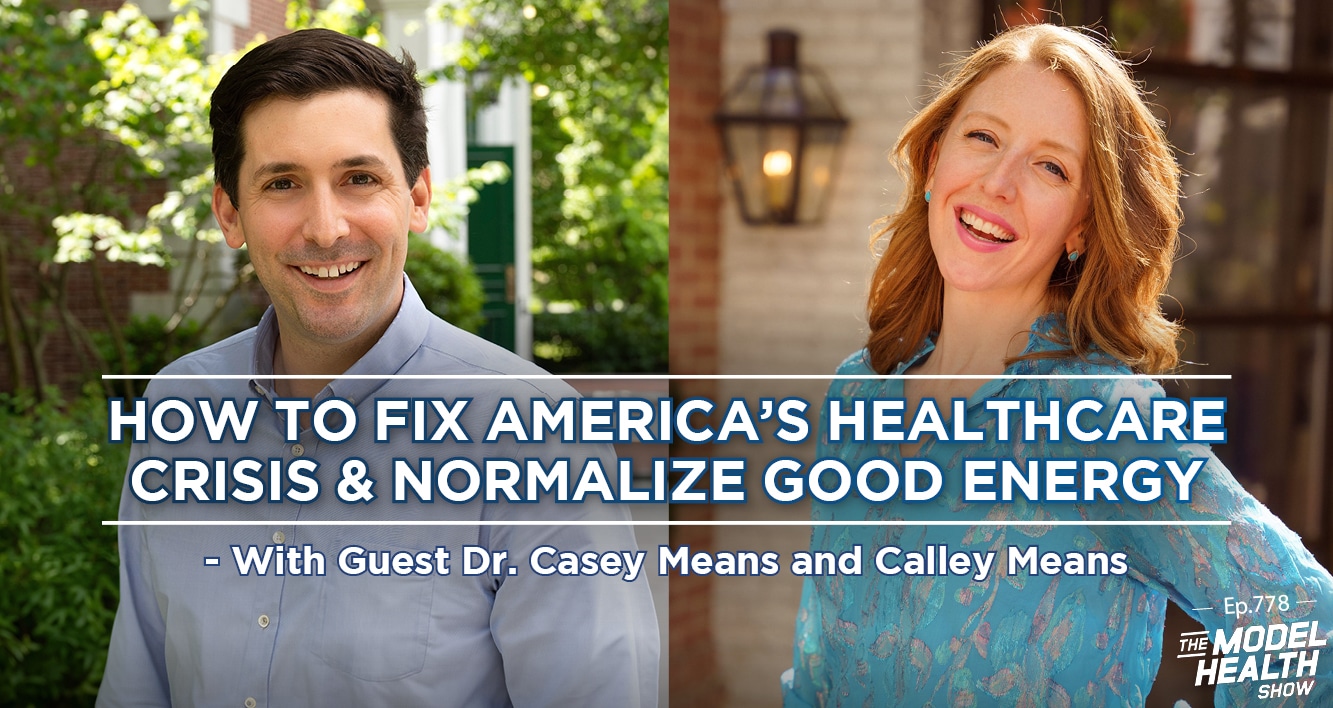
References: Means, Casey. Good Energy: A Path to Vitality and Health.
Discover more from Gut Health Matters
Subscribe to get the latest posts sent to your email.

 Gut Health Matters
Pingback: November 14: World Diabetes Day – Understanding and Managing Diabetes with Aloe Vera | Gut Health Matters